The hidden business costs of fragmented digital ownership
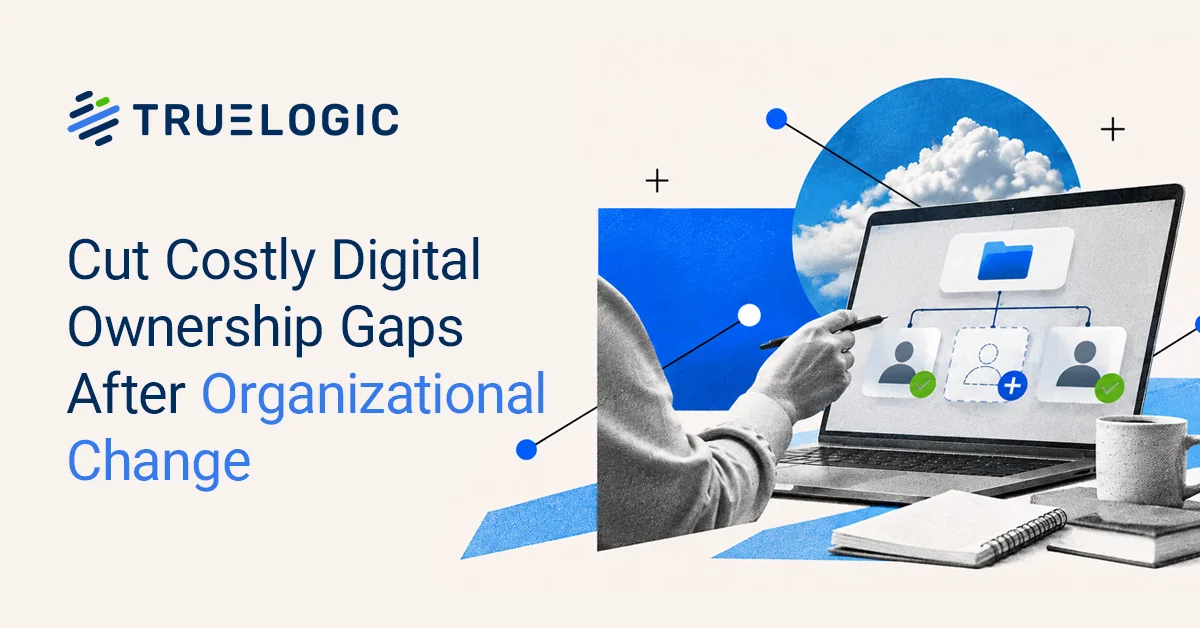
Organizational restructuring is supposed to help your company run better, spend smarter, and make room for growth.
But while teams, roles, and responsibilities may have changed, your digital assets might unknowingly be managed under an old setup that may not reflect your brand today. And that disconnect can cost you more than you’d expect.
Here’s what that could mean for you:
You’re paying for obsolete digital strategies

You might still be paying for websites that do pretty much the same thing, overlapping software subscriptions, or multiple agencies handling similar work for different departments. Some platforms may even be costing you money without serving a clear purpose anymore.
These expenses might seem small on their own, but they add up. And they can eat into the savings your organizational restructuring was supposed to bring.
Consumers experience a fragmented brand
Your consumers don’t see how your company is organized. They just want a consistent experience with your brand. Simple enough, right?
But one website might reflect your updated brand direction while another still carries old messaging. Your campaigns might tell different stories, and consumers could get a different impression of your company depending on where they find you.
You may have unified your teams and operations, but if your digital presence still feels disconnected, consumers will notice.
Decision making gets slower
When different departments continue managing their own digital assets, it’s easy for everyone to lose sight of what’s happening across the company.
One team might be paying for a tool another team already uses. Another might be working on something that’s already being handled elsewhere. When nobody has the full picture, even simple decisions can turn into a game of passing the buck.
Digital risks fall between organizational boundaries

Security gaps, data leaks, and various issues happen when nobody keeps an eye out for digital assets. Even worse, when an incident does happen, valuable hours are lost just figuring out who has the access and authority to fix it.
As a result, a simple oversight quickly escalates into a costly compliance or reputational liability.
Digital efforts becomes harder to scale
Every acquisition, new market, or business unit brings more websites, platforms, and teams into the mix.
If your digital ownership is already scattered, each expansion just causes more problems. As a result, you end up spending more on integration, launches slow down, and your digital setup holds you back instead of letting you expand.
Why digital ownership belongs on the leadership agenda
Organizational change shifts who controls budgets, sets priorities, and makes the calls. If digital ownership doesn’t shift with it, your teams risk running on old habits inside a brand-new structure.
To avoid that, leadership needs to step in to:
Set clear decision-making authority

When digital decisions cut across multiple business units, ownership can’t stay stuck at the department level. Someone has to have the authority to weigh competing priorities and make calls for the whole company. Without that clarity, teams end up pulling in different directions, even when they’re chasing the same goals.
Protect the ROI of your restructure
You reorganize to cut costs, speed things up, and bring teams together. But if your digital assets are still running along old departmental lines, those legacy headaches don’t go away. You’ll end up with a gap between the company you designed on paper and the one that’s actually operating day to day.
Build a setup that scales with change
Your digital needs are going to keep shifting as the business grows and navigates organizational change. If your ownership rules only work for today’s org chart, they’ll hold you back the next time you acquire a company, enter a new market, or reorganize again. Your digital setup needs to flex with the business, not get in the way.
Bring your digital assets back under one roof
Recognizing fragmented digital ownership is one thing; fixing it without disrupting revenue or operations is another.
Protecting your organizational restructuring investment comes down to three immediate priorities:
Lock down legal ownership, not just billing
Paying for a domain or ad account doesn’t mean you control it. Have your teams audit admin access so former staff or outside agencies never become security risks or operational bottlenecks.
Create a single source of truth
Eliminate redundant spend and off-brand campaigns by housing approved assets and guidelines in one central digital asset management (DAM) hub.
Protect your search equity during mergers
Consolidating websites without a migration plan quietly wipes out organic traffic and inbound leads. Require a full traffic and page audit before retiring or merging domains.
Explore how to keep your branding consistent in our digital asset management guide.
Your organizational structure has changed. Has your digital setup caught up?
Don’t let fragmented digital ownership hold your brand back.
Ensure your digital assets, platforms, and online presence support the way your organization operates today.
Align your digital setup with your evolving business objectives with Truelogic.