Consumers aren’t just Googling anymore. They’re asking AI, too
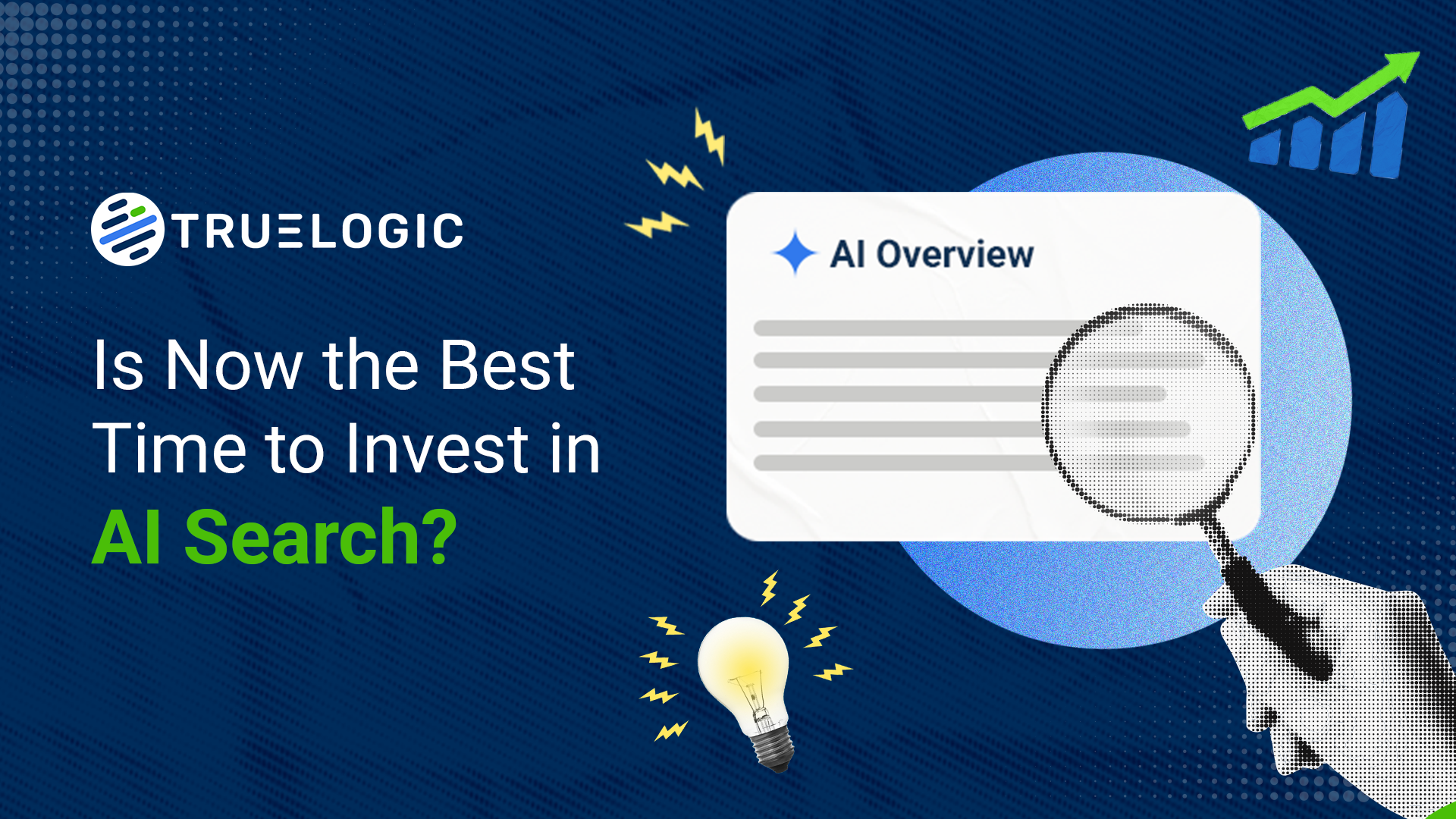
With AI search tools commanding over 12% of total search market share and ChatGPT reaching 900 million weekly users, many marketing teams are left asking: “When’s the right time to invest in AI search optimization?” (Truelogic, 2026)
Some say to wait for your web traffic to take a slump. Others want to wait for competitors to show up on AI answers. And a few choose to jump in right now.
Let’s explore how each option plays out:
Option 1: Wait for Traffic Decline
Choosing to wait for a traffic drop before you invest in AI search optimization means trying to regain ground you didn’t even realize you lost.
While your dashboard might say you’re fine today, traditional analytics miss what’s actually happening. In fact, queries with AI Overviews leave websites with a 93% zero-click rate as consumers get instant recommendations. (Semrush, 2025)

So by the time your session numbers start slipping, your market influence has dropped alongside it.
Option 2: Let Competitors Show Up First
Every day you wait, your competitors have another opportunity to earn mentions, build credibility, and become the brands AI tools turn to for answers.
And the longer they build that presence, the harder it may be for you to close the gap.
Option 3: Optimize Now
Now is the best time to invest in AI search optimization

Getting your brand featured in AI answers doesn’t happen overnight. It takes an average of 126 days (over four months) for a new brand to earn its first AI recommendation. (trakkr.ai, 2026)
The sooner you invest in AI search optimization, the sooner you can work toward getting your brand in front of consumers who are actively looking for recommendations, comparing options, and deciding what to buy.
Because when consumers turn to AI for answers, being part of the conversation can make all the difference.
Optimize for AI with PROOF™
To help you handle AI optimization without the headache, we built our PROOF™ Framework around the five main areas these engines look for:
• Platform: Link your site, social profiles, and local listings, then use a linchpin page to pull it all together so there’s zero confusion for AI.
• Retrieval: Keep your technical SEO clean and your page quality solid. If crawlers can’t easily read or index your site, the AI won’t pull your stuff when it generates answers.
• Organization: Put direct answers right at the top and break things down with simple headings, quick Q&As, and clean lists. AI cares far more about quick clarity than long word counts.
• Originality: Bring real insights, solid stats, and actual expert voices to the table. Unique, high-context content shows these models why your team actually knows its stuff.
• Footprint: Make sure your brand info tells the exact same story across every site on the web.
Covering all five areas is what solid brand AI search optimization is all about—making sure your brand gets recommended, not overlooked.
The Right Time Is Now
Don’t wait for traffic to decline or competitors to take the lead.
Build your AI visibility before you need to catch up.
Design your AI search strategy with Truelogic.