The Value of Emotional Marketing in the Digital World
Truelogic Takeaways
- Emotion drives results – 70% of purchase decisions are emotion-led. Emotional campaigns can be twice as effective and earn three times more impressions.
- Emotional connection builds loyalty – Brands that spark emotion see 82% of Filipino consumers stay loyal, repurchase, recommend, and forgive missteps.
- Storytelling powers advocacy – Examples like RC Cola and Jollibee prove that humor, nostalgia, and authentic stories fuel brand love and advocacy.
- Cross-channel multiplies impact – Results grow when emotional messaging is adapted across social, email, and e-commerce while staying consistent.
- Authenticity wins trust – Consumers spot anything fake instantly. Real empathy and values-driven storytelling build trust and advocacy.
The Power of Emotion in Every Decision
If you’ve ever wondered why rational consumers make impulse buys or why certain ads stick, it’s because 70% of purchase decisions are driven by emotion, not logic. In the Philippines’ mobile-first market, campaigns built around emotion achieve a 31% success rate, double what rational ads deliver.
For brands competing in this space, emotional marketing powers recall, loyalty, and sharing. Emotional videos are shared twice as often as others, and a study shows headlines evoking fear, hope, or nostalgia get 30% more clicks.
These aren’t just figures, they’re a roadmap for growth. Filipino consumers now expect brands to connect and inspire, not just sell. Emotional campaigns can generate nearly three times more organic impressions than rational ones, and as brand experiences become more personal, 82% of Filipinos show loyalty to brands that create a strong emotional connection in marketing, cementing the foundation for brand love and ongoing advocacy.
The Science Behind Emotional Marketing: Why It Sticks
Statistics show that ads evoking strong emotions, like happiness, fear, or nostalgia, are 27% more likely to go viral, and emotional campaigns have a 31% higher success rate than rational ads. Importantly, building an emotional connection with your audience makes a customer 52% more valuable and 71% more likely to recommend your brand, which transforms ordinary buyers into devoted advocates.
Among Filipino Millennials and Gen Z, purchase decisions increasingly hinge on brand authenticity, purpose, and the emotional connection forged, not just price or product features. Personalization and relevance are crucial for building loyalty that extends beyond one-off campaigns. Even in crowded markets, brands focusing on genuine emotional ties stand out: a significant majority of Filipino consumers stay loyal to brands that foster real connections, proving that emotional marketing examples truly drive sustainable growth.
A Stroll Down Memory Lane: Classic and Contemporary Emotional Marketing Examples
Some campaigns become more than ads, they become shared cultural moments. Take, for example, Burger King’s playful Halloween “Scary Clown” rivalry, which leveraged humor and surprise to stir buzz far beyond the fast-food crowd.
Or RC Cola’s surreal “Family” commercial in the Philippines, a campaign so arresting and offbeat that it turned into an internet meme and clinched international ad awards, a reminder that out-of-the-box storytelling can unlock virality and top-of-mind awareness.
Nike’s “For Once, Don’t Do It” took a bold stand on social issues, proving how brands can harness anger and advocacy to drive powerful resonance, while Expedia’s pandemic-era messaging traded group travel for themes of solo resilience and hope, reflecting the emotional climate of its audience.
These classic emotional marketing examples succeeded not only because they grabbed attention, but because they made consumers feel something genuine, from nostalgia and pride to excitement or empathy.
Even Smart’s K-drama-powered 5G ad, which celebrated the real-life romance of fan-favorite actors, showed how happiness and cultural fandom can boost shareability and spark nationwide joy.
Fast forward to 2025, and the playbook for emotional digital marketing continues to evolve. Major campaigns winning hearts today tap directly into authenticity, humor, and even nostalgia to create meaningful connections.
For example, Clorox’s “Clean Feels Good” campaign in 2025 moved beyond hygiene and positioned cleaning as a mood-booster, complete with neuroscientific backing and personal storytelling to showcase how tidiness can be an act of self-care.
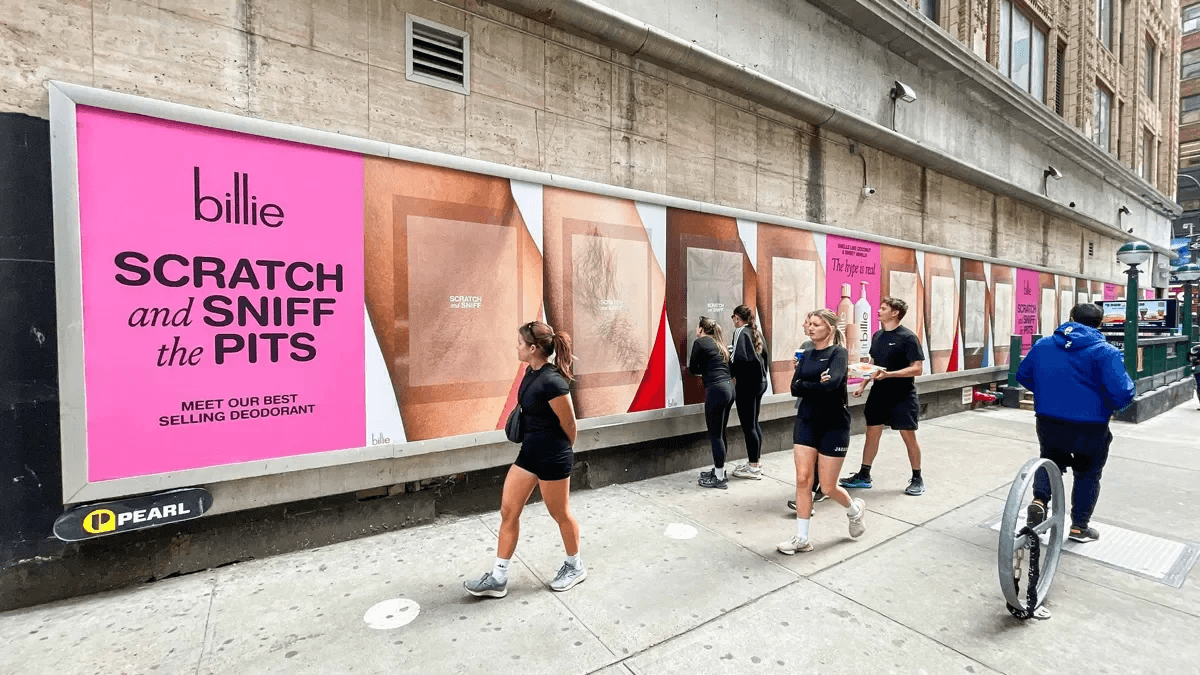
Billie’s viral “scratch-and-sniff armpit posters” turned a city street into hands-on brand theater, sparking overnight online buzz and proving that gentle humor and multisensory engagement drive conversation in surprising ways.
More recently, Nido’s “Acts of Love” ad combined data from a survey they conducted with realistic depictions of the diverse ways moms showed their love for their kids, giving it a strong sense of authenticity that set it apart from typical motherhood-related ads.
These fresh creative approaches illustrate what marketers already know: emotional storytelling and campaign risk-taking continue to shape the best-performing digital campaigns year after year. Studies confirm that this emotional-first mindset pays off across platforms, whether you’re leading with nostalgia, humor, empathy, or advocacy.
The Science (and Ethics) of Emotional Marketing in 2026
Winning brands in 2026 go beyond just telling stories; they blend authentic emotional triggers with data-driven tactics. Neuroscience shows the emotional brain processes content faster than logic, and 2025 research highlights how emotion-recognition AI can now optimize campaigns for emotional impact, ensuring ads feel genuinely tailored.
With this power comes the need for responsibility. Brands that use transparent, ethical emotional marketing win greater trust and loyalty, especially as Filipino companies prioritize openness to build long-term customer bonds.
Authenticity is also paramount. Today’s digital natives can spot forced or insincere messaging, and 78% of consumers can tell when a brand’s emotional appeal isn’t genuine. In the digital era, lasting results come from honest connection, making emotional marketing built on respect, transparency, and real insight the path to growth, advocacy, and repeat engagement.
How to Make Emotional Marketing Work for Your Brand
Building lasting brand love today means going beyond just slogans or viral posts. Top brands in 2026 identify a “core feeling” to own–comfort, excitement, empowerment, or joy–starting with deep audience mapping to uncover what truly moves them, as highlighted in recent strategies for emotional marketing.
Instead of just presenting benefits, standout brands structure their stories around customer journeys, casting the customer as hero and the brand as enabler. Visual and interactive elements, especially mobile-friendly video, are now central, boosting brand recall by up to 29%.
Most importantly, authenticity wins. Nearly half of consumers say brands that tell authentic, emotionally consistent stories earn their loyalty, while less genuine efforts tend to fall flat. Emotional marketing strategies work precisely because they replace generic promotion with content that feels personal, relevant, and worth remembering. By combining emotional focus, strong narratives, and interactive content, Philippine brands set themselves up for higher sales and loyal advocacy.
Emotional Marketing in Action: Case Studies from the Philippines
A 2025 study from De La Salle University found that subliminal emotional marketing, especially messages emphasizing love and humor, significantly boosts brand loyalty and repeat purchases among university students. Among the emotions tested, only love and humor had statistically significant positive effects, highlighting the unique power of these feelings in building campus brand engagement.
The researchers recommend coffee shops and similar brands integrate subtle emotional cues and authentic storytelling into their digital campaigns to best reach Gen Z and Millennials. The study supports broader theories in psychology, suggesting that brands who prioritize emotional resonance, especially through themes of love and humor, will see the highest loyalty and advocacy.
On a wider scale, major Filipino brands like Jollibee have successfully used storytelling rooted in family, nostalgia, and real connections to maintain relevance and inspire advocacy—even as consumer expectations and digital habits quickly evolve. These emotional marketing examples show how local and global brands are winning hearts and building lasting relationships in the Philippine market.
Cross-Channel Execution: Delivering Emotional Impact Everywhere
Bringing emotional marketing to life means delivering the right message, on the right channel, at the right moment, for every audience segment. Research shows that campaigns with clear channel adaptation drive up to 2.6 times more viral reach and 4x the brand lift compared to single-channel or generic messaging, thanks to the way emotional impact builds across each touchpoint.
Social Media Adaptation
On platforms like Facebook, Instagram, TikTok, and YouTube, visual storytelling reigns. Filipino audiences respond best to content that’s entertaining, culturally relevant, and emotionally true, especially humor and nostalgia. Brands that deliver emotion-driven videos and authentic stories see more repeat engagement and sharing, proving that connection always outperforms pure promotion. Short-form video has become one of the most effective social media marketing tools available to Philippine brands precisely because it makes that emotional connection possible at scale.
Email and Owned Media
Personalization is key. Segmented, data-driven email campaigns that use customer names and reference purchase history can trigger up to 29% more opens and 2x higher conversion rates, especially if the content references a memorable campaign moment or emotional hook relevant to the audience.
E-commerce and Paid Digital
Emotion can drive urgency, excitement, and trust at the point of sale. Use targeted ads that focus on relatable problems, positive feelings at checkout, or causes tied to Filipino values, then reinforce messaging with a quick-hit email or retargeting ad to nudge the next action. One recent study shows that emotionally resonant paid campaigns can earn higher engagement rates and see ROI outpace traditional direct sales messaging by as much as 3:1.
Consistency = Credibility
Even as content adapts to platform, make sure emotional tone and brand story remain unified, mixed messages erode trust quickly, especially in the always-on digital environment.
The bottom line: a consistent, emotionally-tuned message across all brand channels multiplies touchpoints and makes every campaign dollar go further.
Quick-Action Checklist: Emotional Marketing Best Practices for 2026
- Personalize Every Message – Tailor your campaigns to real audience segments, not just generic personas. Customers respond to personalized content that’s emotionally relevant, feeling seen and valued at key decision moments.
- Make Storytelling Central – Every campaign should tell an engaging, authentic story, one that taps into common Filipino experiences, values, or aspirations. Stories evoke empathy and recall more powerfully than stats alone.
- Consistency Across All Channels – Ensure that your emotional messaging, from ads to emails to after sales support, remains unified and true to your brand personality. This builds lasting trust and amplifies emotional connection.
- Empathize and Engage – Build two-way conversations. Show empathy by quickly responding to feedback, addressing concerns, and acknowledging user stories.
- Center on Your Brand’s Values – Be bold about what your company stands for, whether that’s family, resilience, positivity, or inclusion. Purpose-driven brands outperform on loyalty and advocacy.
- Leverage Interactivity and Visuals – Use mobile-friendly video, quizzes, polls, and interactive experiences to multiply touches and deepen emotional bonds.
- Always Close the Feedback Loop – Ask for customer feedback, measure sentiment, and adjust campaigns to ensure messages are resonating authentically over time.
Emotion Is the New Loyalty

For Philippine brands and marketers in 2026 and beyond, next-level loyalty comes not from discounts or the latest trends, but from forging an authentic emotional connection in marketing. Brand love, trust, and a sense of belonging have become the new currency of consumer relationships.
Research shows emotionally engaged customers are more likely to repurchase, recommend, and remain loyal, even overlooking the occasional slip-up, because they feel a bond that goes beyond the transactional. The real secret? Consistently sharing genuine stories, personal values, and empathy across every channel and campaign.
Effective emotional marketing doesn’t happen by accident. It’s the result of a clear, authentic commitment: aligning everything, visuals, messaging, customer service, so that every interaction reinforces what the brand truly stands for. As expectations evolve, this unwavering focus on emotion is what sets standout brands apart, turning everyday customers into devoted advocates and brand ambassadors.
Start building that commitment today with emotional digital marketing strategies built around what your audience actually feels, not just what they buy. Get in touch with Truelogic today.