Why Rankings Beyond the First Page Shouldn’t Be Ignored
Search engine optimization (SEO) is often seen as a race to the top of the first page of Google search results. With Google holding a commanding 90-91% market share, the first page, known as the Search Engine Results Pages (SERPs), is a highly coveted spot. But what happens if you don’t make it to the first page? Is it game over for your online visibility?
In this podcast episode, we’ll dive into the significance of first-page rankings and the evolving dynamics of search behavior.
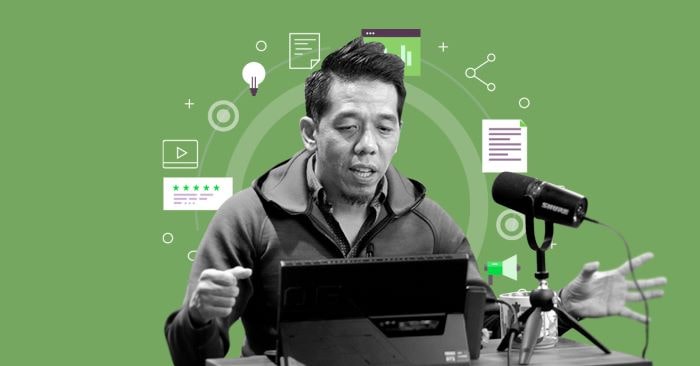
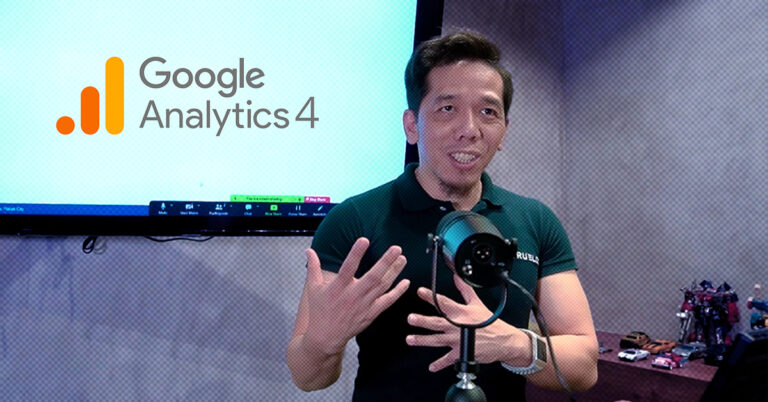
Bernard San Juan, Managing Partner of Truelogic, highlights the scale of Google’s influence, “Google facilitates about 3.1 trillion searches a year. If you break that number down, that’s incredible, right? That sort of translates to about 8.5 billion searches per day and about 5.9 million searches per minute. That is hundreds of thousands of searches per second,” he said.
This staggering volume underscores the importance of understanding how Google’s search engine results pages (SERPs) have evolved and what it means for businesses vying for attention online. For a deeper understanding of how search works, check out our guide on what SEO is and how it works.
“The other interesting data I’ve always liked was how 15% of Google search queries are novel. And what that means is that 15 out of 100 times Google sees a search that they’ve never seen before. And that’s pretty interesting,” he added.
Evolution of the Search Engine Results Pages
From its inception in 1998 to becoming a legitimate enterprise by 2004, Google’s SERPs have undergone significant changes. Bernard San Juan notes that back in 2004, “all of the click-through was 100% organic, meaning everybody that went to Google almost always went to another website.”
Fast forward to today, and the click-through rate for organic results has dropped significantly, with organic click-through being as low as 39% in some cases. This decline can be attributed to the introduction and evolution of sponsored content and various SERP features like local results, rich snippets, and blended results.
The Impact of SERP Features
Modern SERPs are no longer simple lists of blue links. Google has introduced numerous features that can either help or hurt your click-through rates:
- Featured Snippets: Position zero answers that appear above traditional results
- People Also Ask: Expandable question boxes that capture user attention
- Knowledge Panels: Information boxes that provide direct answers
- Local Packs: Map-based results for location-specific queries
- AI Overviews: Google’s new AI-generated summaries at the top of results
Understanding these features is crucial for modern search engine optimization. Each feature represents both an opportunity and a challenge for visibility.

The Rise of Paid Search and Its Impact
The integration of Google Ads has dramatically shifted user behavior. Since 2006, Google has experimented with different formats for sponsored content, making them more integrated and less distinguishable from organic results.
San Juan recalls the early days of ads, “They used to have the salmon box and the green box and the pink box and the yellow box and then the green ad text and the yellow ad text and now the black ad text.”
These changes have led to a significant increase in ad clicks, especially on mobile devices. Today, ad click-through rates can range from 20% to 30% globally, with some regions like the EU seeing rates as high as 40%.
Zero-Click Searches: A Growing Trend
A major shift in search behavior is the rise of non-click searches. San Juan points to a SparkToro study which found that over 64% of searches on Google did not result in a click-through. That means for every 100 users of a Google search, 6 out of 10 of them stay on Google.
This phenomenon is driven by Google’s ability to provide direct answers through features like the answer box, featured snippets, and the knowledge panel, reducing the need for users to click through to other websites. For businesses, this means optimizing for visibility even when users don’t click—brand impressions still matter.
The First Page Advantage
Despite these changes, the first page of Google still holds considerable power. Historical data shows a strong preference for first-page results:
- In 2009, 97% of all users clicked on organic results, with the first page holding a 74% click share.
- By 2014, the first-page click share had increased to 88%, and studies suggested that 99% of all searches end on the first page.
- Today, while click-through rates have decreased due to SERP features, the first page still captures the vast majority of traffic.
However, as San Juan advises, this data should be taken with caution due to the small sample sizes used in these studies compared to the vast number of daily searches on Google.
Why Second Page Rankings Still Matter
While first-page rankings are ideal, there are several reasons why rankings beyond the first page shouldn’t be completely ignored:
- Stepping Stones: Second-page rankings often indicate you’re close to breaking through to page one. With targeted technical SEO improvements and content optimization, these pages can move up.
- Long-Tail Opportunities: Pages ranking on page two for competitive terms might rank on page one for related long-tail keywords.
- Brand Visibility: Even without clicks, appearing in search results builds brand recognition.
- Competitive Intelligence: Understanding why competitors outrank you provides valuable insights for improvement.
Strategies for Moving from Page Two to Page One
If you have content ranking on the second page, here are actionable strategies to improve your position:
- Content Gap Analysis: Compare your page against top-ranking competitors. What topics do they cover that you don’t?
- Internal Linking: Boost page authority by linking to it from other high-performing pages on your site.
- User Experience Optimization: Improve page speed, mobile responsiveness, and overall usability.
- Schema Markup: Add structured data to increase your chances of earning rich snippets.
- Backlink Building: Acquire quality backlinks through strategic link building.
Understanding the top Google ranking factors can help you prioritize which improvements to make first.
The Ethical Question of Search Dominance
The evolving SERPs raise an ethical question: Should Google continue to use website content to populate its search results if a majority of searches don’t result in a click-through? San Juan explains, “For the most part, site owners didn’t care that Google used our meta content because they referred a majority of the traffic to websites. But when the majority of searches remain captive to Google’s search results page, is it still fair for them to use your content?”
This question becomes even more relevant with the introduction of AI Overviews and other answer-engine features that synthesize content from multiple sources.
Final Thoughts: The Importance of First-Page Rankings
While the landscape of search behavior has changed dramatically, the importance of being on the first page of Google cannot be overstated. The volume of searches means that even under the most skeptical assumptions, businesses can still gain significant visibility and traffic from first-page rankings.
“Even under the most skeptical assumptions, the fact that search volumes have tripled since 2012 says that you are likely to get a similar, if not larger volume of clicks by being on the first page of search today. The more important question for you is, are you going to be there first or is your competition gonna get there ahead of you?,” he concludes.
While the competitiveness of first-page search results remains high, understanding the evolution of SERPs and user behavior can help businesses strategize effectively. As search volumes continue to grow, maintaining a strong presence on the first page for your business is more critical than ever.
For more insights on optimizing your search presence, explore our comprehensive guide on SEO trends and strategies for the current landscape.
The first page of Google is waiting for you! Contact us today to learn how our search engine optimization services and strategies can help you secure a top spot in search results and drive more traffic to your website.
Do not forget to subscribe to the Truelogic DX Podcast on Spotify, Google, and Apple Podcasts to get the latest digital marketing updates.