How to Build a Strong Brand Online in the Philippines

Why Brand Building Matters More Than Ever
In a market where 98 million Filipinos are now online and digital advertising spend is projected to reach USD 5.4 billion, building a strong brand isn’t optional—it’s essential for survival. Yet many Philippine businesses focus so heavily on performance marketing that they neglect the foundation that makes those campaigns truly effective: a memorable, trustworthy brand.
Building a brand online in the Philippines requires understanding the unique characteristics of the Filipino digital consumer. From the dominance of social media to the importance of community trust, successful brand building here follows patterns that differ from other markets. This guide provides a practical framework for creating and nurturing a brand that resonates with Filipino audiences.
Understanding the Philippine Digital Consumer
Filipino consumers spend an average of nearly 10 hours per day online, making the Philippines one of the most connected nations in the world. But it’s not just about time spent—it’s about how that time is used and what influences purchasing decisions.
Key Consumer Behaviors
The Five Pillars of Online Brand Building
Building a strong brand online requires a systematic approach that addresses multiple touchpoints. Here are the five pillars that successful Philippine brands focus on.
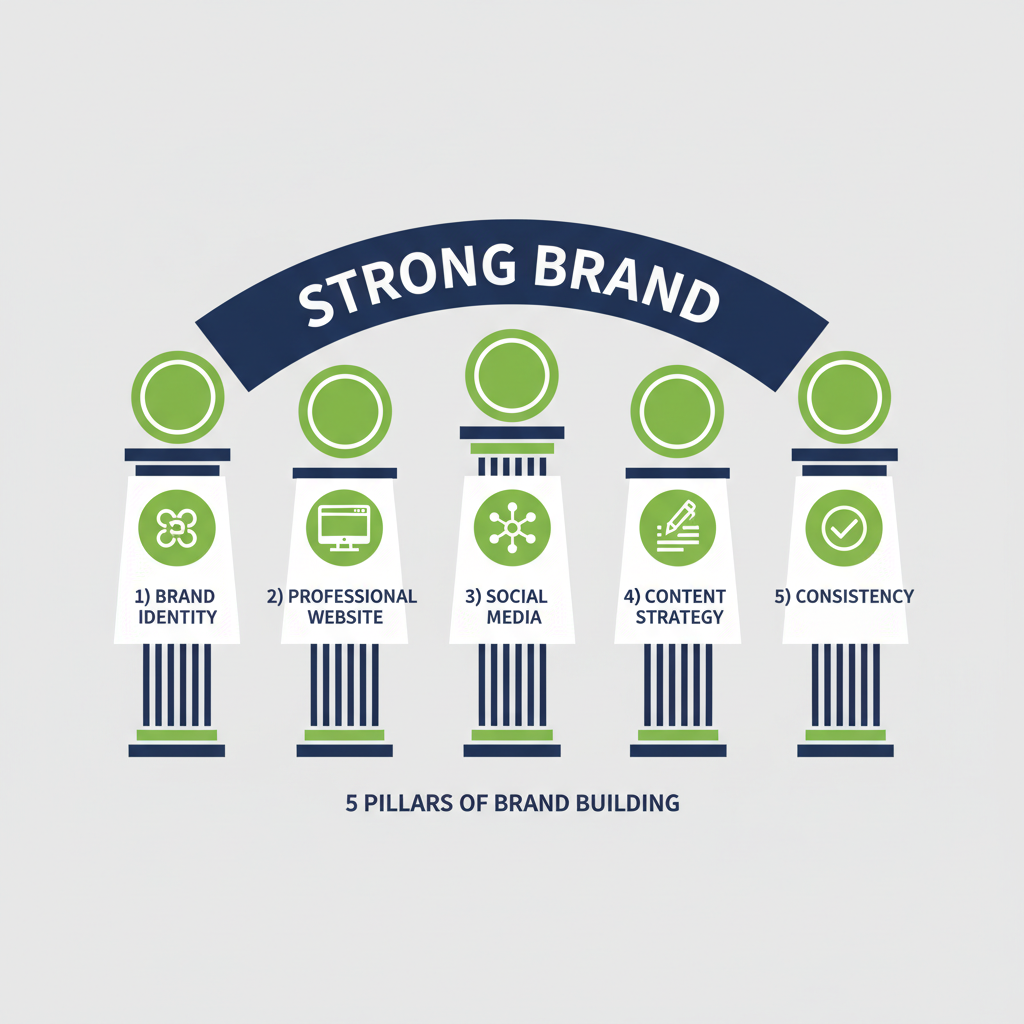
1. Establishing Your Brand Identity
Your brand identity is more than just a logo—it’s the complete visual and verbal system that communicates who you are. For Philippine businesses competing in crowded markets, a distinctive identity helps cut through the noise.
Essential brand identity elements:
2. Building Your Website Foundation
Your website is your brand’s digital headquarters—the one platform you fully control. A professional, well-designed website establishes credibility and serves as the hub for all your digital marketing efforts. Professional web design ensures your site reflects your brand accurately while delivering an excellent user experience.
Website brand requirements:

3. Social Media Brand Presence
Social media isn’t just a marketing channel in the Philippines—it’s where brands come to life. Social media marketing allows brands to build genuine relationships with their audience through consistent engagement and valuable content.
Building social media brand equity:

4. Content Marketing for Brand Authority
Content marketing builds brand authority by providing genuine value to your target audience. When potential customers consistently find helpful, relevant content from your brand, they naturally develop trust and preference.
Content types that build brand authority:
The most successful brands don’t just sell products—they solve problems and add value to their customers’ lives through every interaction. Content marketing is how you demonstrate that value before anyone makes a purchase.
5. Maintaining Brand Consistency
Brand consistency builds recognition and trust over time. Every touchpoint—from your website to your customer service responses—should feel unmistakably like your brand.
Consistency checklist:
Measuring Brand Health Online
Unlike performance marketing with its immediate metrics, brand building requires tracking different indicators over longer timeframes. Understanding these metrics helps you gauge whether your brand-building efforts are paying off.
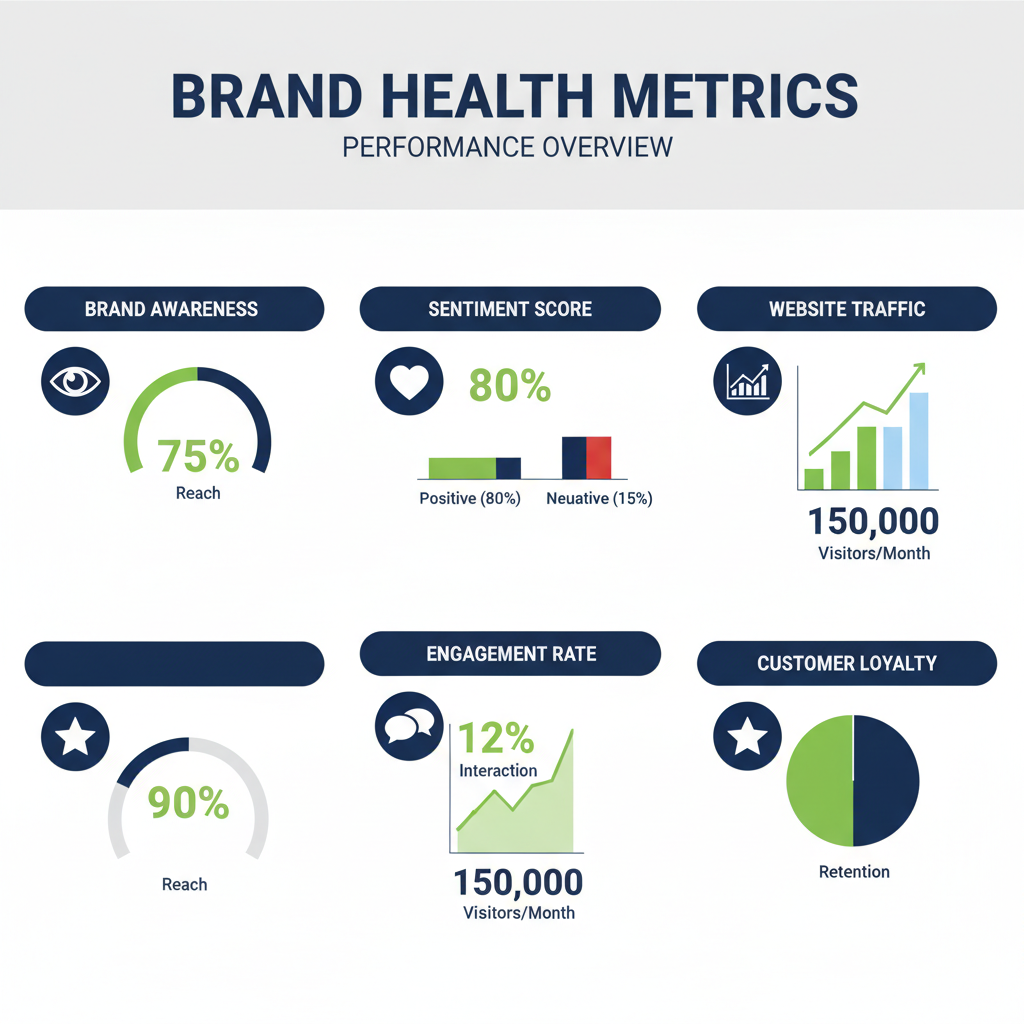
Key Brand Health Indicators
Balancing Brand Building with Performance Marketing
The most effective digital marketing strategies balance brand building with performance marketing. While performance marketing drives immediate results, brand building creates the foundation that makes those performance campaigns more effective over time.
Finding the right balance:
Key Takeaways
FAQs
How long does it take to build a strong brand online?
Brand building is a continuous process, but you can expect to see meaningful progress within 6-12 months of consistent effort. The key is maintaining consistency while continuously improving based on audience feedback and performance data.
Should I focus on all social media platforms or just a few?
It’s better to excel on 2-3 platforms than to have a weak presence everywhere. For most Philippine businesses, Facebook and Instagram are essential. Add TikTok if your audience skews younger, or LinkedIn for B2B brands.
How much should I invest in brand building vs. performance marketing?
While the optimal ratio varies by industry and business stage, research suggests that mature brands benefit from allocating around 60% to brand building and 40% to performance marketing. Newer businesses might start with more performance focus while building brand foundations.
Can small businesses compete with big brands online?
Absolutely. Smaller brands often have advantages in authenticity and agility. Focus on building genuine community connections and providing exceptional value within your niche rather than trying to outspend larger competitors.
Next Steps
Building a strong brand online requires strategic thinking, consistent execution, and the patience to let your brand equity compound over time. Whether you’re starting from scratch or strengthening an existing brand, the fundamentals remain the same: know your audience, define your identity, and show up consistently with valuable content.
Ready to build a brand that stands out in the Philippine digital landscape? Explore our social media marketing services and discover how we can help you create meaningful connections with your target audience.