YouTube SEO: How to Rank Videos for Philippine Audiences
Why YouTube SEO Matters for Philippine Creators
YouTube holds a commanding 37.86% market share among social platforms in the Philippines, making it the second most popular platform after Facebook. For Filipino content creators and businesses, this represents an enormous opportunity—but only if your videos can be found by the right audience.
YouTube SEO is the practice of optimizing your videos and channel to rank higher in YouTube’s search results and recommendations. Unlike Google search, YouTube’s algorithm considers unique factors like watch time, engagement, and audience retention. This guide provides a complete framework for ranking videos specifically for Philippine audiences.
Understanding YouTube’s Algorithm in 2026
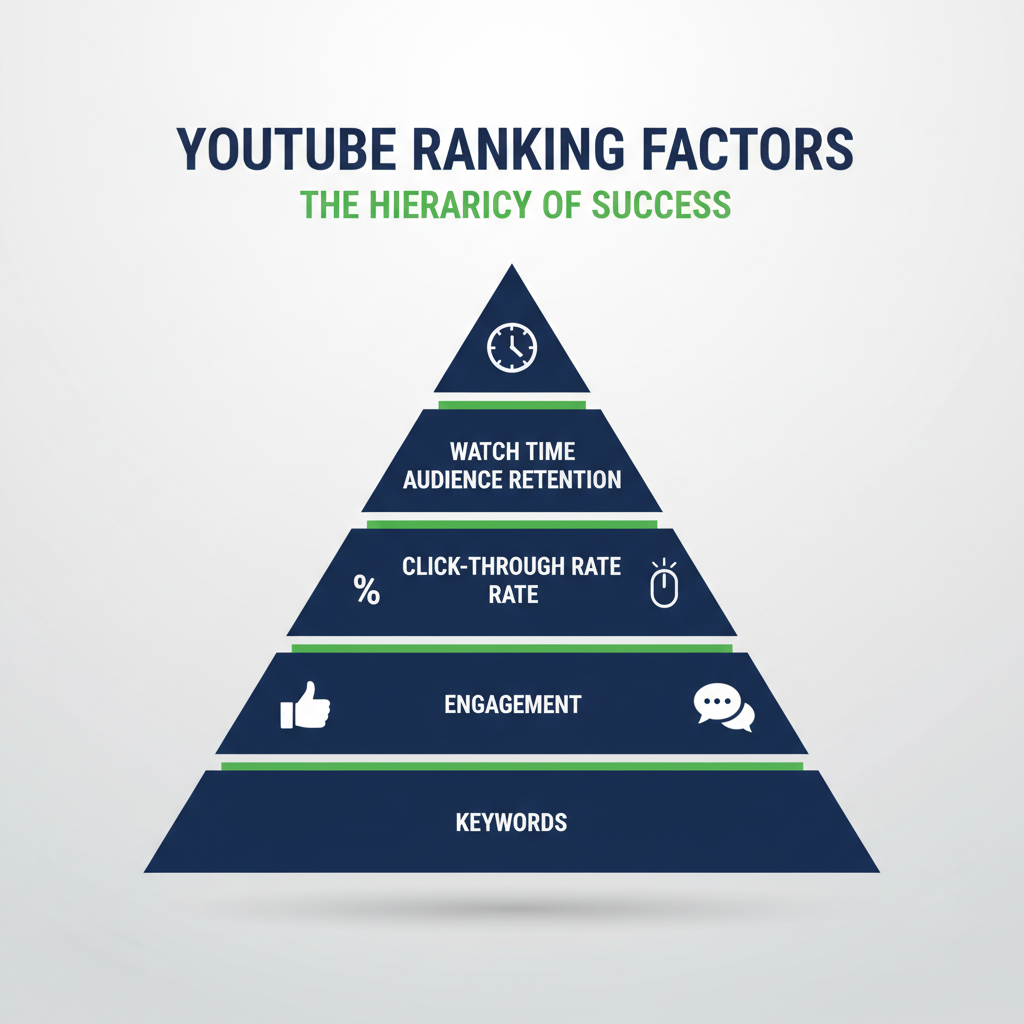
YouTube’s algorithm has evolved significantly, and understanding how it evaluates content is essential for any search engine optimization strategy. The platform now prioritizes viewer satisfaction over raw view counts, which changes how creators should approach content optimization.
Key Ranking Factors
Keyword Research for Filipino Audiences
Effective YouTube SEO starts with understanding what Filipino viewers are actually searching for. Unlike traditional SEO, YouTube keyword research requires understanding both search intent and viewing behavior specific to the Philippine market.
Finding the Right Keywords
YouTube keyword research methods:
Philippines-Specific Keyword Considerations
Filipino viewers often search using a mix of English and Tagalog. Understanding these patterns helps you capture more search traffic.
Optimizing Video Titles
Your video title serves two critical functions: telling YouTube what your content is about and convincing viewers to click. A well-optimized title balances keyword inclusion with compelling copy.
Title optimization best practices:
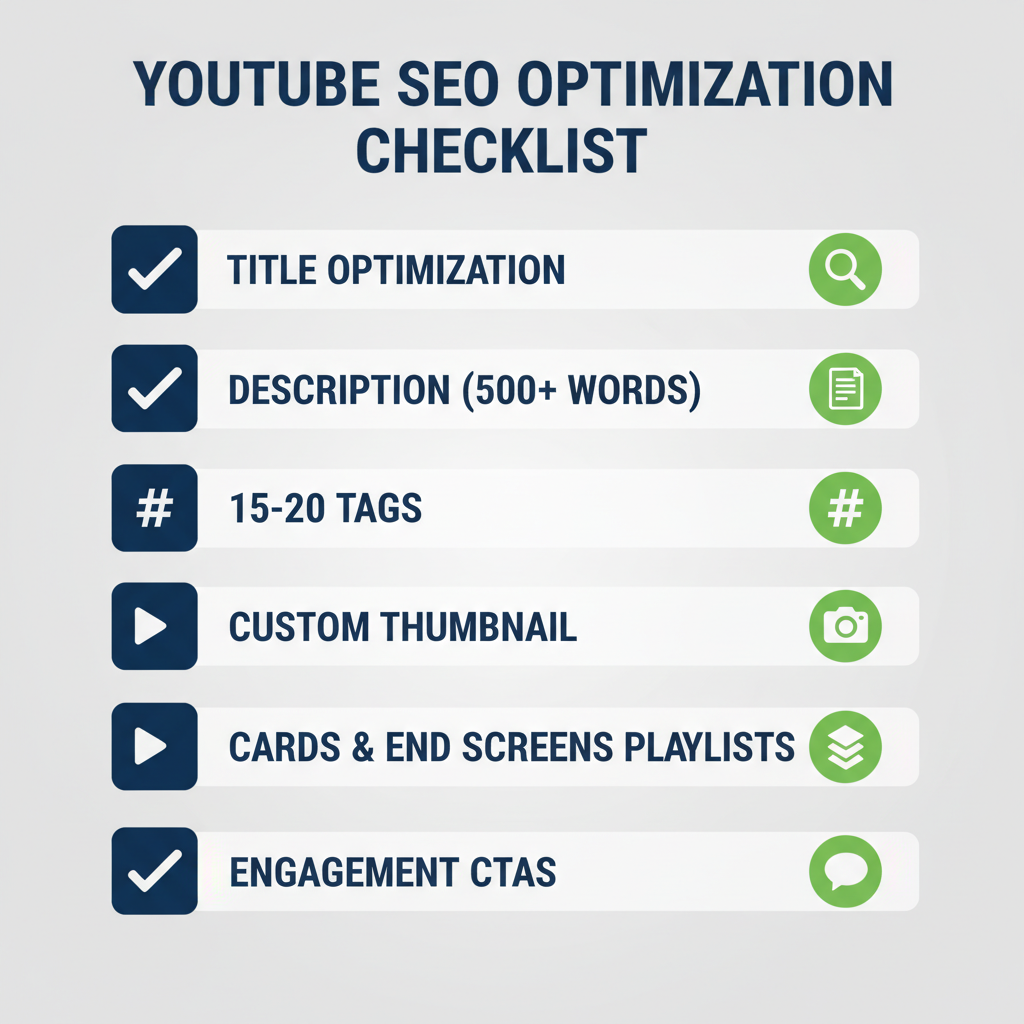
Writing Descriptions That Rank
Your video description provides additional context to YouTube’s algorithm and viewers. A well-written description improves discoverability and provides value to your audience.
Description optimization structure:
Thumbnail Optimization for Higher CTR
Your thumbnail is the single biggest factor affecting click-through rate. A compelling thumbnail can mean the difference between a video that gets ignored and one that goes viral.
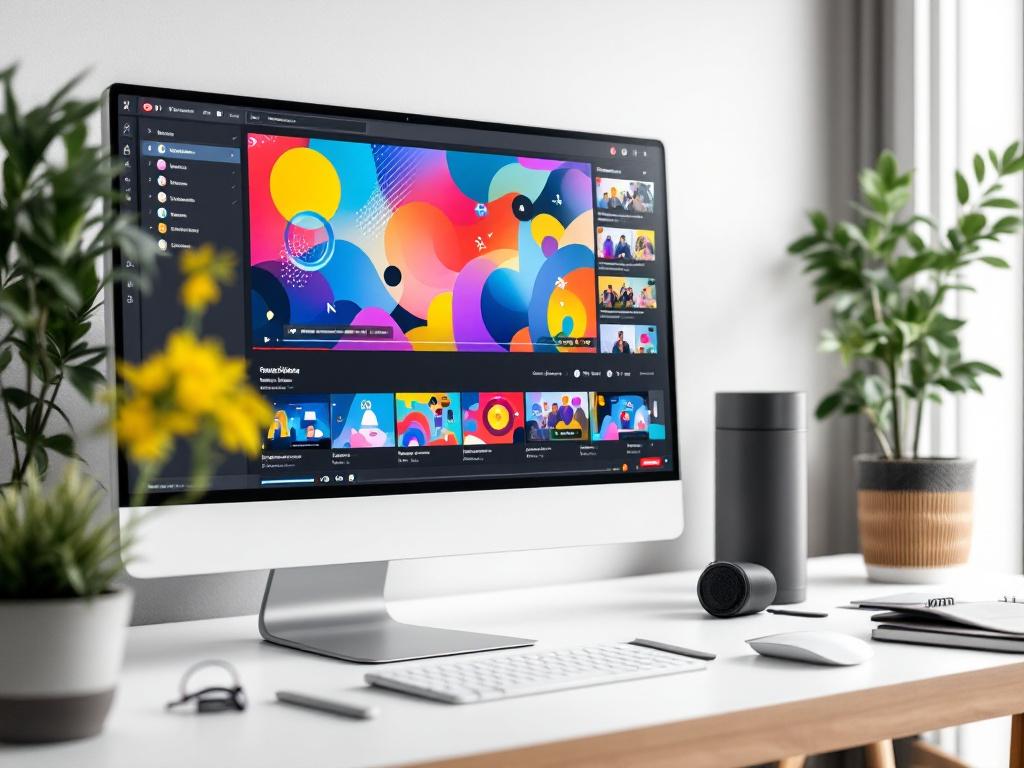
High-performing thumbnail characteristics:
The best thumbnails tell a story or create curiosity in a single image. Before uploading, ask yourself: “Would I click on this if I saw it in my feed?”
Tags and Hashtag Strategy
While tags have less impact than they once did, they still help YouTube understand your content and can influence which videos appear in the “suggested” sidebar.
Effective tagging approach:
Engagement Optimization
Engagement signals tell YouTube that viewers find your content valuable. The more likes, comments, and shares your video gets, the more likely it is to be recommended to new viewers. Social media management skills apply directly to building YouTube engagement.
Strategies to boost engagement:
Tools for YouTube SEO
Several tools can help streamline your YouTube SEO workflow and provide data-driven insights for optimization.
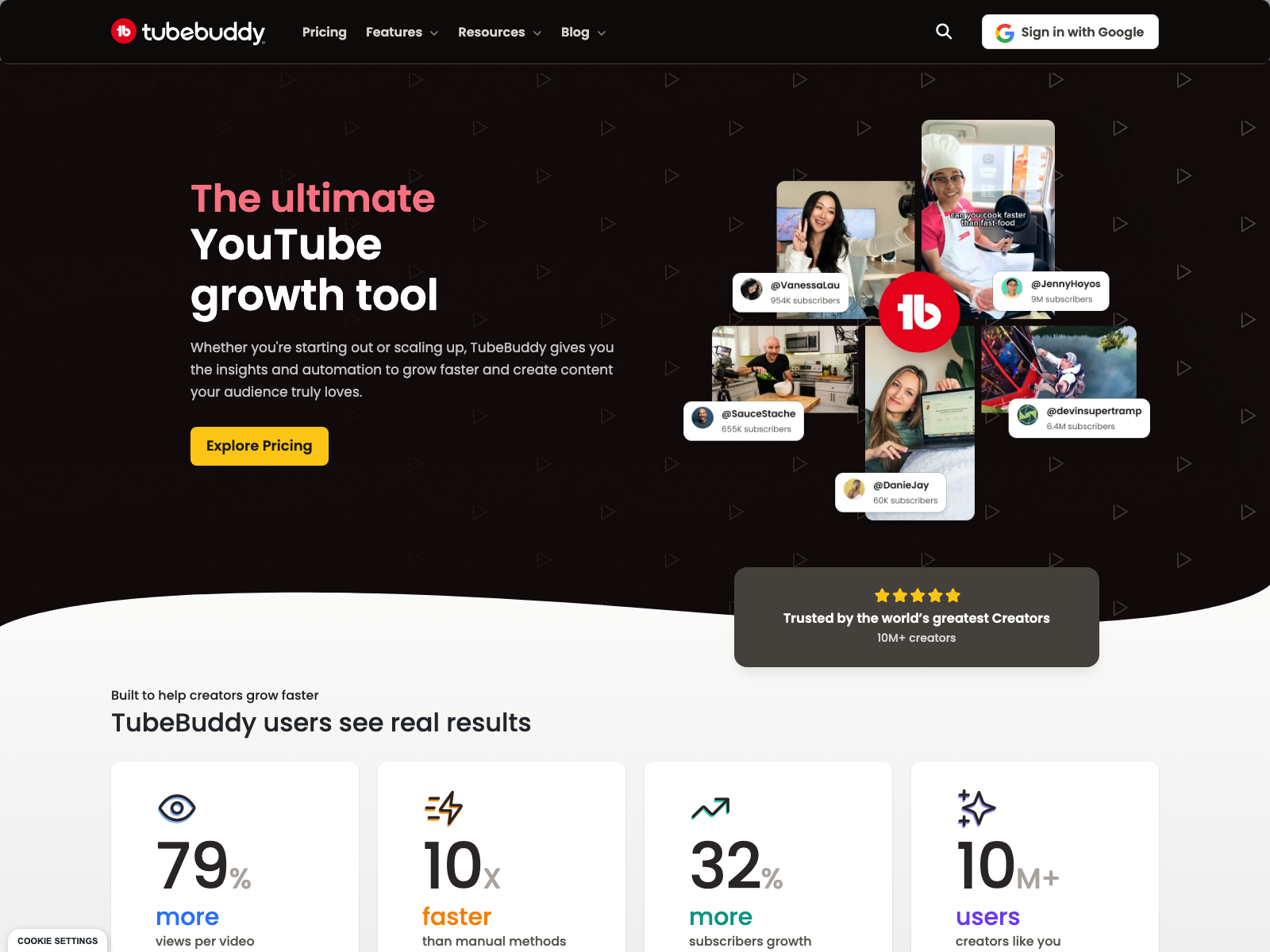
TubeBuddy
A browser extension that provides keyword research, SEO scores, A/B testing for thumbnails, and bulk processing tools. Particularly useful for analyzing competitor videos and optimizing your content accordingly.
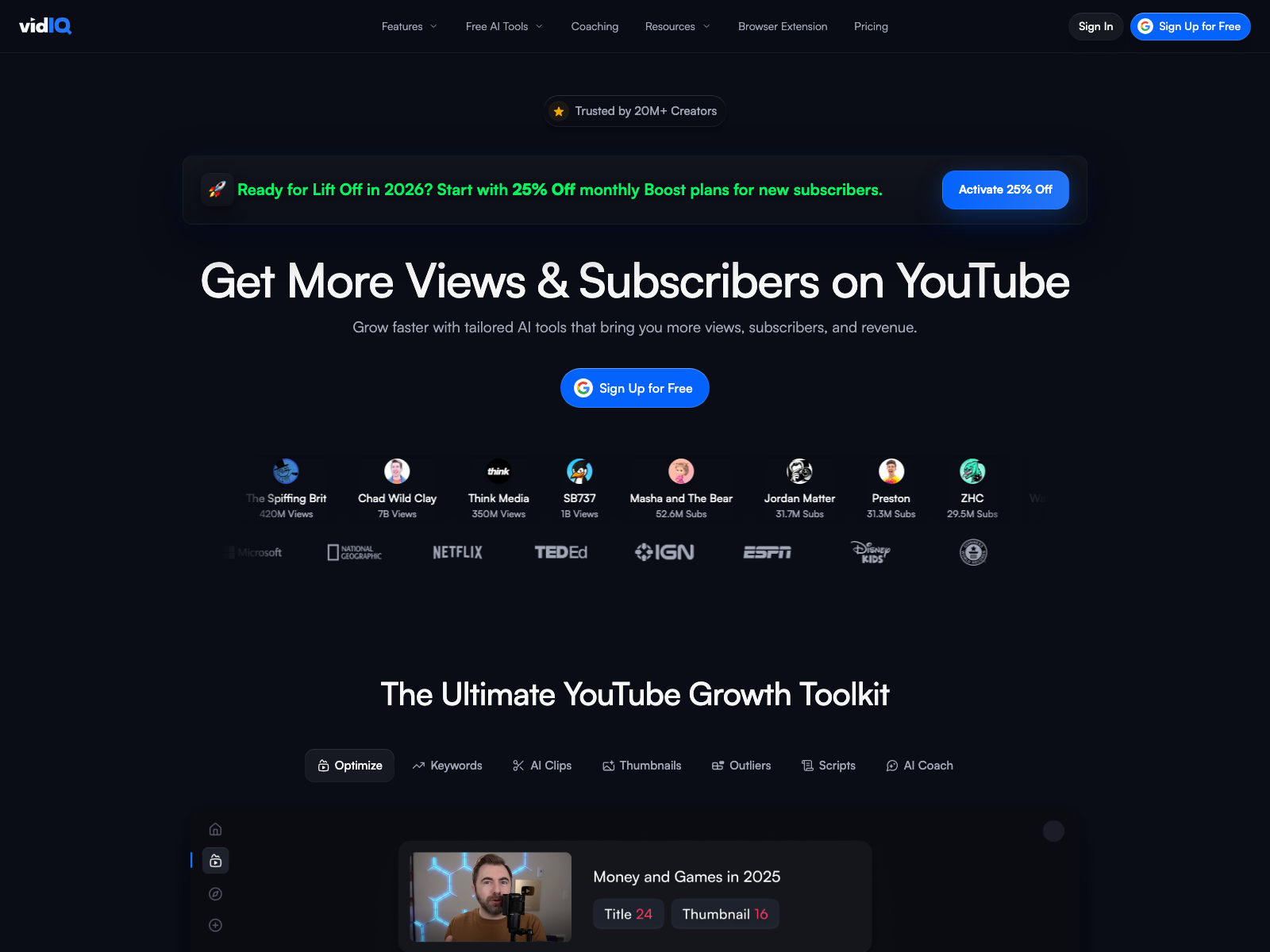
vidIQ
Offers keyword research, channel audits, and AI-powered content suggestions. The trend alerts feature helps you identify emerging topics in your niche before they become saturated.
YouTube Studio Analytics
YouTube’s built-in analytics provides essential data on impressions, CTR, watch time, and audience retention. The “Research” tab shows trending searches relevant to your channel.

Channel Optimization
Beyond individual video optimization, your channel structure affects how YouTube promotes your content.
Channel-level optimization:
Key Takeaways
FAQs
How long should my YouTube videos be for SEO?
There’s no perfect video length—focus on keeping viewers engaged throughout. Longer videos can accumulate more watch time, but only if the content justifies the length. Analyze your audience retention graphs to find your optimal duration.
How often should I post on YouTube?
Consistency matters more than frequency. It’s better to post one high-quality video weekly than daily videos that sacrifice quality. Choose a schedule you can maintain long-term.
Should I use Tagalog or English titles?
Consider your target audience. If you’re targeting mainly Filipino viewers, Taglish (mixed Tagalog-English) titles often perform well. For broader reach, English titles with Tagalog elements can work. Test both approaches and monitor which performs better for your niche.
How long does YouTube SEO take to show results?
YouTube SEO typically shows results within 2-4 weeks for individual videos, though building channel authority takes longer. Videos can continue gaining traction months or even years after publishing if optimized correctly.
Next Steps
YouTube SEO is a long-term investment that compounds over time. Each optimized video adds to your channel’s authority and increases the likelihood that YouTube will recommend your content to new viewers. The key is combining technical optimization with genuinely valuable content that serves your audience.
Ready to develop a comprehensive video content strategy for your brand? Learn more about our content marketing services and discover how we can help you create video content that ranks and resonates with Philippine audiences.