Marketing Automation for Philippine Businesses: Complete Guide

HubSpot’s 2026 State of Marketing Report, 47% of marketers now leverage automation to make their marketing processes more efficient, while 93% use it for administrative tasks like scheduling, documentation, and data management. For Philippine businesses navigating an increasingly competitive digital landscape, understanding and implementing marketing automation isn’t just an advantage—it’s becoming essential for survival and growth.
What Is Marketing Automation and Why It Matters
Marketing automation refers to technology platforms and software designed to automate repetitive marketing tasks across multiple channels. These tools handle everything from email campaigns and social media posting to lead scoring, customer segmentation, and personalized content delivery—all without constant manual intervention. The global marketing automation software market stands at USD 8.16 billion in 2026 and is projected to reach USD 14.98 billion by 2031, growing at a 12.92% CAGR. This explosive growth reflects a fundamental shift from campaign-centric workflows to real-time, AI-directed personalization engines.For Philippine SMEs, this technology democratizes sophisticated marketing capabilities that were once only available to enterprises with large teams and budgets.Marketing automation doesn’t replace your marketing team—it amplifies their capabilities by handling repetitive tasks while freeing them to focus on strategy and creativity.
The Philippine Business Case for Marketing Automation
Philippine businesses face unique challenges that make marketing automation particularly valuable: Resource Constraints: Many local businesses operate with lean marketing teams. Automation allows a small team to execute campaigns that would otherwise require multiple full-time employees. Growing Digital Consumer Base: With over 84 million Filipino internet users and mobile-first behavior dominating the market, businesses need scalable ways to engage customers across digital touchpoints. Competitive Pressure: As more businesses go digital, standing out requires consistent, personalized communication that’s difficult to achieve manually at scale. Cost Efficiency: According to industry analysis of 2026 digital marketing trends, AI-powered automation is helping Filipino entrepreneurs from online sellers to agency owners create content faster, automate workflows, and optimize campaigns with precision.Popular Marketing Automation Tools for Philippine Businesses
Choosing the right platform depends on your business size, budget, and specific needs. Here are the leading options:HubSpot
HubSpot remains the gold standard for inbound marketing automation, offering a comprehensive suite that includes CRM, email marketing, landing pages, and analytics in one integrated platform. Its free tier makes it accessible to startups, while enterprise features scale with growing businesses. For Philippine companies seeking expert implementation, working with a certified HubSpot agency partner can accelerate time-to-value and ensure best practices from day one.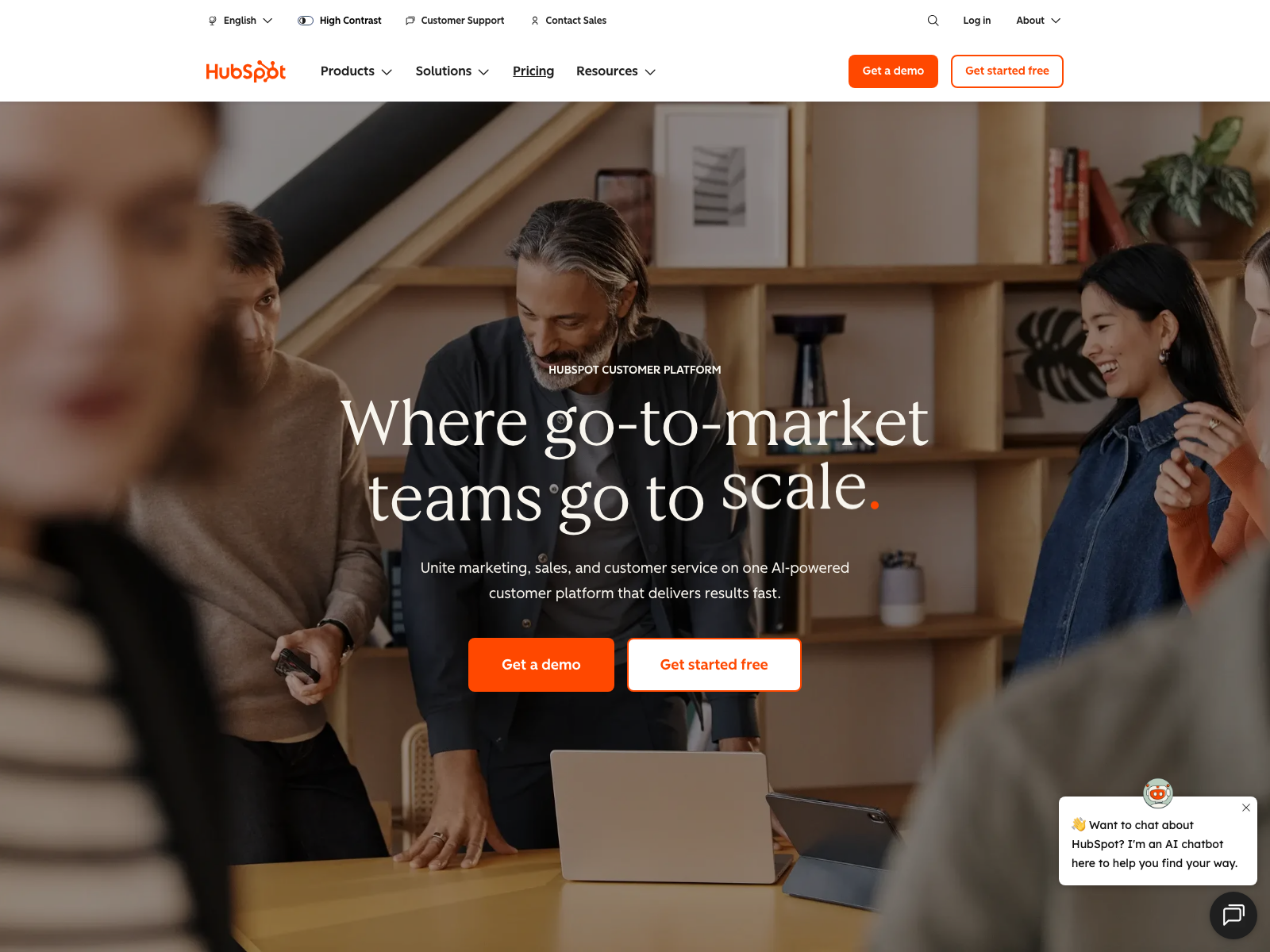
ActiveCampaign
Popular among Philippine SMEs for its balance of power and affordability, ActiveCampaign excels in email automation with visual workflow builders that don’t require technical expertise.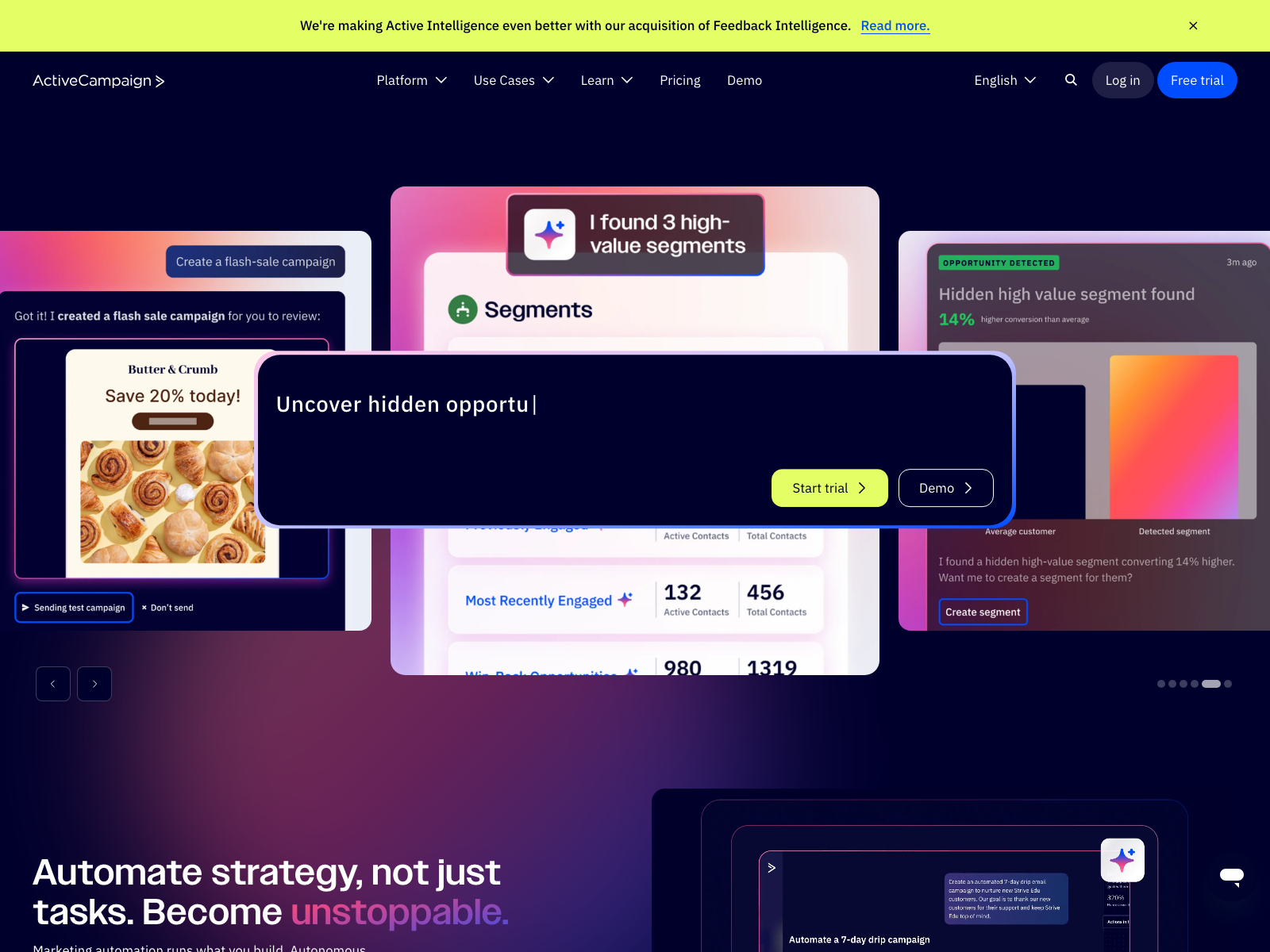
Mailchimp
An entry-level option that has grown beyond email into a full marketing platform. Ideal for businesses just starting their automation journey with limited budgets.
Salesforce Marketing Cloud
For enterprise-level Philippine businesses, Salesforce offers the most sophisticated automation capabilities, though it requires significant investment in implementation and training.Local and Regional Options
Platforms like HighLevel and local solutions are gaining traction among Philippine businesses that need simpler, more affordable options with adequate support.Essential Marketing Automation Workflows
Successful automation starts with the right workflows. Here are the most impactful automations for Philippine businesses:1. Welcome Email Sequences
When a new subscriber joins your list, trigger a series of emails that:- Introduce your brand story and values
- Deliver promised lead magnets or resources
- Showcase your best content or products
- Include a special offer to encourage first purchase
2. Lead Nurturing Campaigns
Not every lead is ready to buy immediately. Automated nurturing sequences educate prospects over time, delivering relevant content based on their interests and behavior until they’re sales-ready.3. Abandoned Cart Recovery
For e-commerce businesses, abandoned cart emails recover lost revenue by reminding shoppers of items left behind, often with time-sensitive incentives.4. Customer Onboarding
Post-purchase automation ensures new customers successfully adopt your product or service, reducing churn and increasing lifetime value.5. Re-engagement Campaigns
Identify inactive subscribers or customers and automatically trigger win-back campaigns with special offers or valuable content.
Integrating Automation with Your CRM
The true power of marketing automation emerges when connected to your Customer Relationship Management (CRM) system. This integration creates a unified view of each customer’s journey, enabling:- Real-time lead scoring based on behavior
- Automatic sales notifications when leads reach qualifying thresholds
- Personalized content delivery based on CRM data
- Closed-loop reporting connecting marketing activities to revenue
The most common automation mistake businesses make is trying to automate everything at once. Start with one or two high-impact workflows, master them, then expand.
Email Marketing Automation Best Practices
Email remains the backbone of marketing automation, with email marketing retaining 28.73% revenue share in the automation software market. Here’s how to maximize your email automation: Segment Your Audience: Avoid sending the same message to everyone. Use behavioral data, demographics, and purchase history to create targeted segments. Personalize Beyond the Name: Today’s consumers expect more than “Hi [First Name].” Use dynamic content blocks that change based on subscriber attributes and behaviors. Test Continuously: A/B test subject lines, send times, and content to continuously improve performance. Respect Frequency: Automation makes it easy to over-communicate. Set sensible limits on how often any contact receives messages. For businesses looking to elevate their campaigns, strategic email marketing services can help design and implement automation that delivers measurable results.Lead Scoring: Prioritizing Your Best Prospects
Lead scoring assigns point values to prospects based on their characteristics and behaviors, helping sales teams focus on the most promising opportunities. Demographic Scoring: Assign points based on job title, company size, industry, and location alignment with your ideal customer profile. Behavioral Scoring: Track and score actions like:- Website page visits (especially pricing or product pages)
- Email opens and clicks
- Content downloads
- Webinar attendance
- Social media engagement