The Rise of Social Search: Optimizing Your Content for TikTok, Meta, YouTube & Beyond
For years, traditional SEO has been the “North Star” of digital visibility. But that star is no longer the only one in the sky.
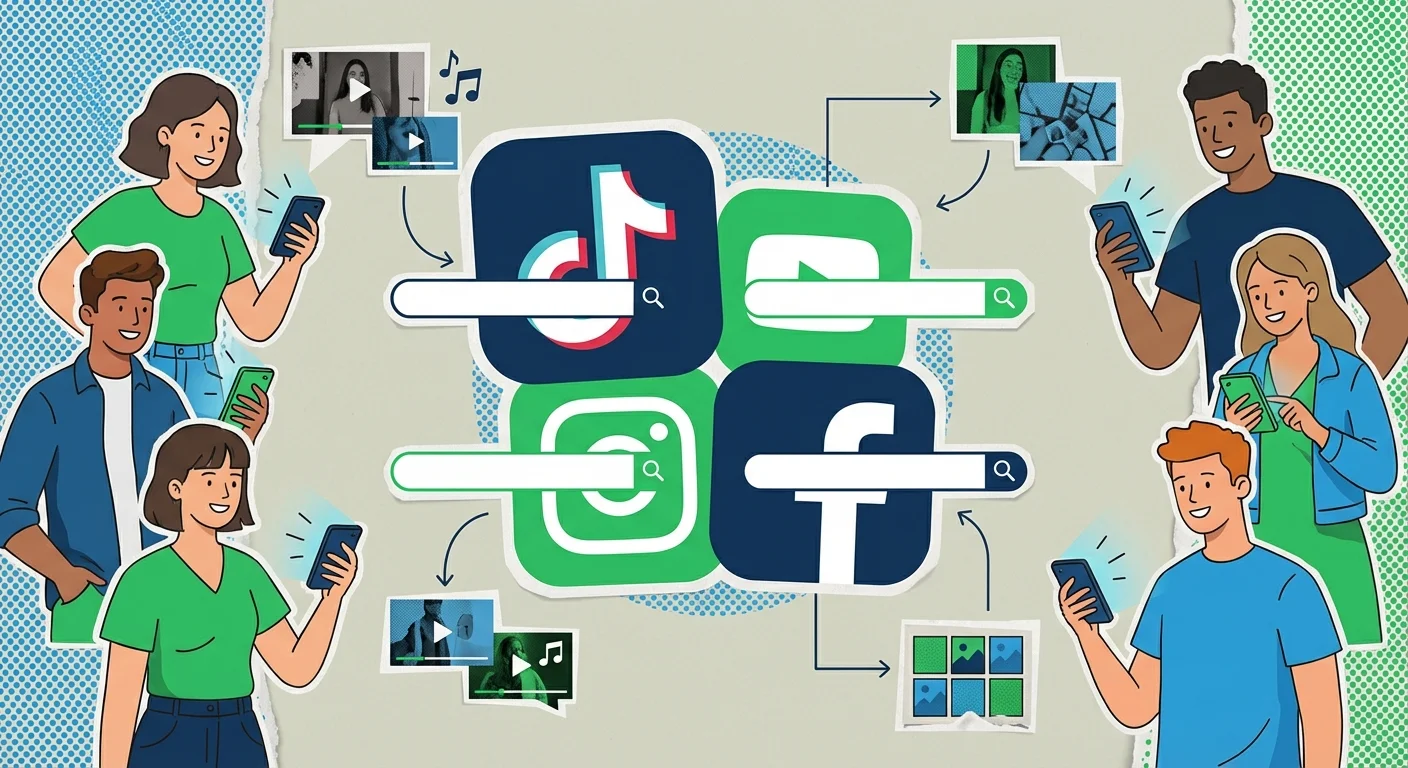
Today, users don’t just search. They scroll, swipe, and stumble into discovery. Gen Zs are looking for restaurant reviews on TikTok. Millennials are hunting travel tips on YouTube. The new-gen shoppers are checking unboxing videos on Instagram and Facebook before they hit “add to cart.” In fact, a report suggested that 46% of Gen Z and 35% of millennials prefer social media search over traditional search engines.
This shift isn’t just a passing trend, but a transformation in behavior. It redefines how brands get found, trusted, and remembered. If your digital strategy still treats social media as a promotional channel rather than a discovery engine, you’re already behind. Social search is the new front door to your brand, and SEO is no longer confined to Google alone.
Why Social Media Search Matters?
Before we deep dive into platforms and strategies, let’s define the playing field. This shift isn’t just a passing trend, but a transformation in how people find information. And understanding what is the most used social media platform in the Philippines helps brands map where discovery begins and where content needs to work harder.
What is “social search” and how is it different from Google?
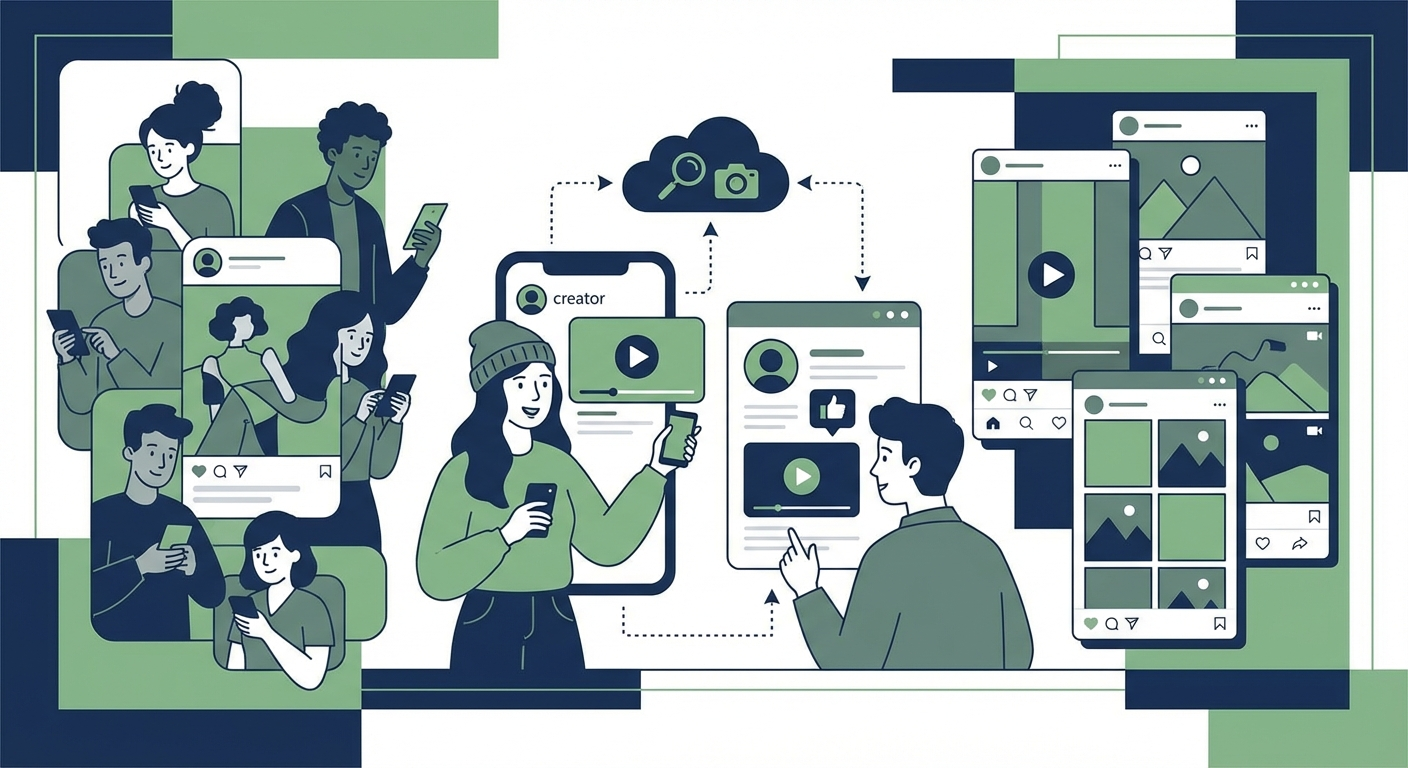
Social search refers to the use of social media platforms as discovery engines—platforms like TikTok, YouTube, Instagram & Facebook (both under Meta), and even Pinterest, where users enter search queries to find content, creators, and products. Unlike traditional search engines that primarily rely on crawled and indexed web pages, social platforms serve results powered by engagement metrics, visual content, social graphs, and even video SEO signals curated by AI-driven feeds.
Example: Searching “best ramen spots in Manila” on Google gives you blog posts, maps, and business listings. The same search on TikTok serves up creator reviews, aesthetic videos, and first-person POVs, with comments and replies that feel more trustworthy and timely.
TL;DR: Social search is community-powered, visually driven, and AI-curated, offering a totally different discovery experience than Google.
Are Platforms like TikTok, Facebook, Instagram, or Pinterest overtaking Google?
Not quite replacing, but absolutely competing, especially with Gen Z. A recent study revealed that nearly 40% of young people turn to TikTok or Instagram instead of Google when searching for mere lunch spots. Another study suggested that TikTok as a search engine has become significant for Gen Z, with 74% using its search function and 51% choosing it over Google as their primary search engine.
Meta platforms, specifically Instagram and Facebook, still dominate in overall user base. Their discovery algorithms are evolving fast to compete with the search functionality of Google. Meta has heavily invested in AI recommendations, Reels searchability, and location-based results.
TL:DR: Google isn’t dead, but it’s got competition. And that competition is where your next-gen audience is hanging out.
Why are Gen Z users turning to social platforms first?
It comes down to authenticity, speed, and visual trust, all crucial for a generation raised on smartphones and social media. Gen Z, born in 1997 to 2012, values realness over polish, speed over perfection, and visuals over walls of text.
They grew up with influencers instead of infomercials and have a natural skepticism toward traditional advertising. That’s why they turn to social media first, because they trust what real people say, and what social media optimization really comes down to—crowdsourced validation and lived experience, not keyword-stuffed pages.
And if you look at how many Filipino use social media daily, and understanding the best time to post on social media, it becomes even clearer why discovery habits are shifting towards social media platforms instead of traditional search.
TL;DR: Gen Zs aren’t anti-search. They’re just redefining how they want to discover and consume information.
Platform-Specific Optimization Strategies
Your audience is fragmented across platforms, and each one has its own flavor of search. These intro-level tips will help you align your content with how users are searching right now.
How do I optimize for TikTok search?
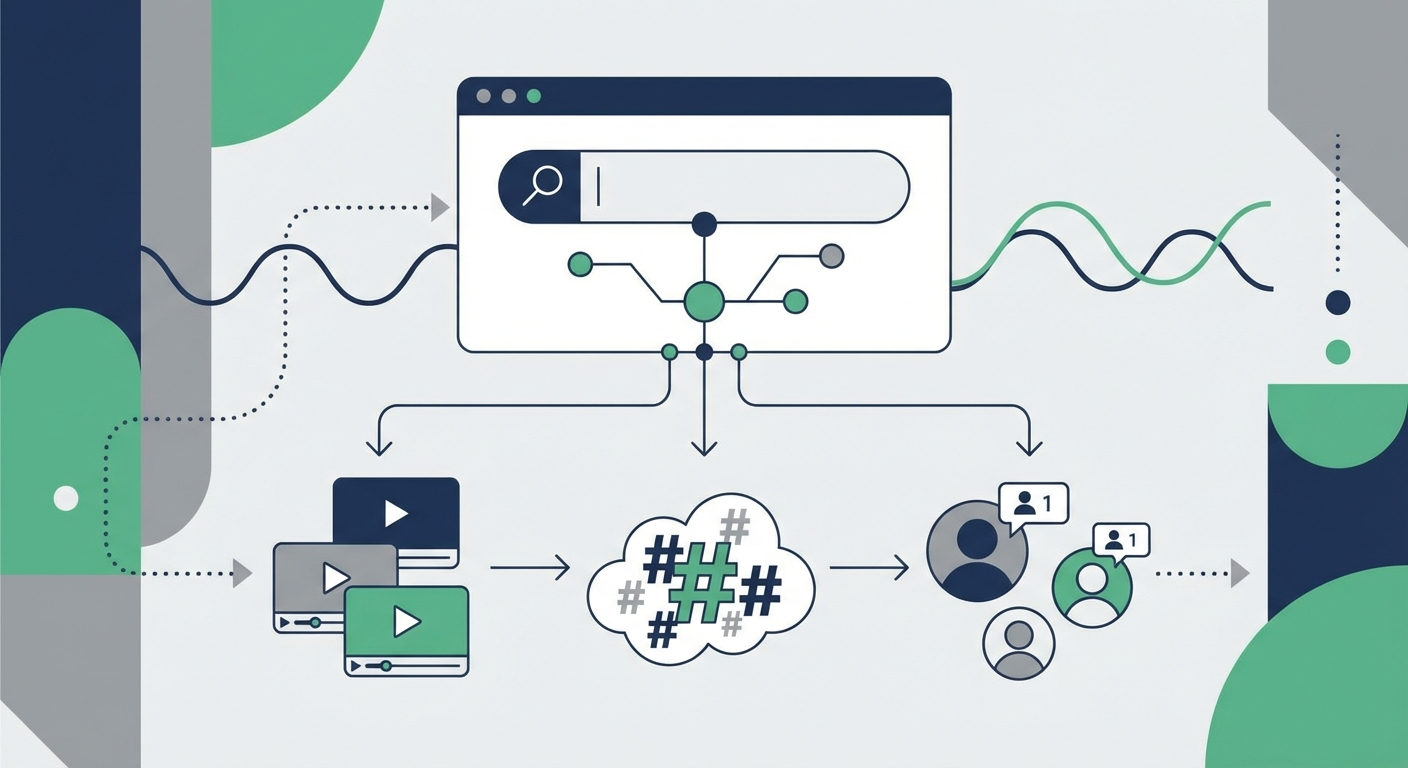
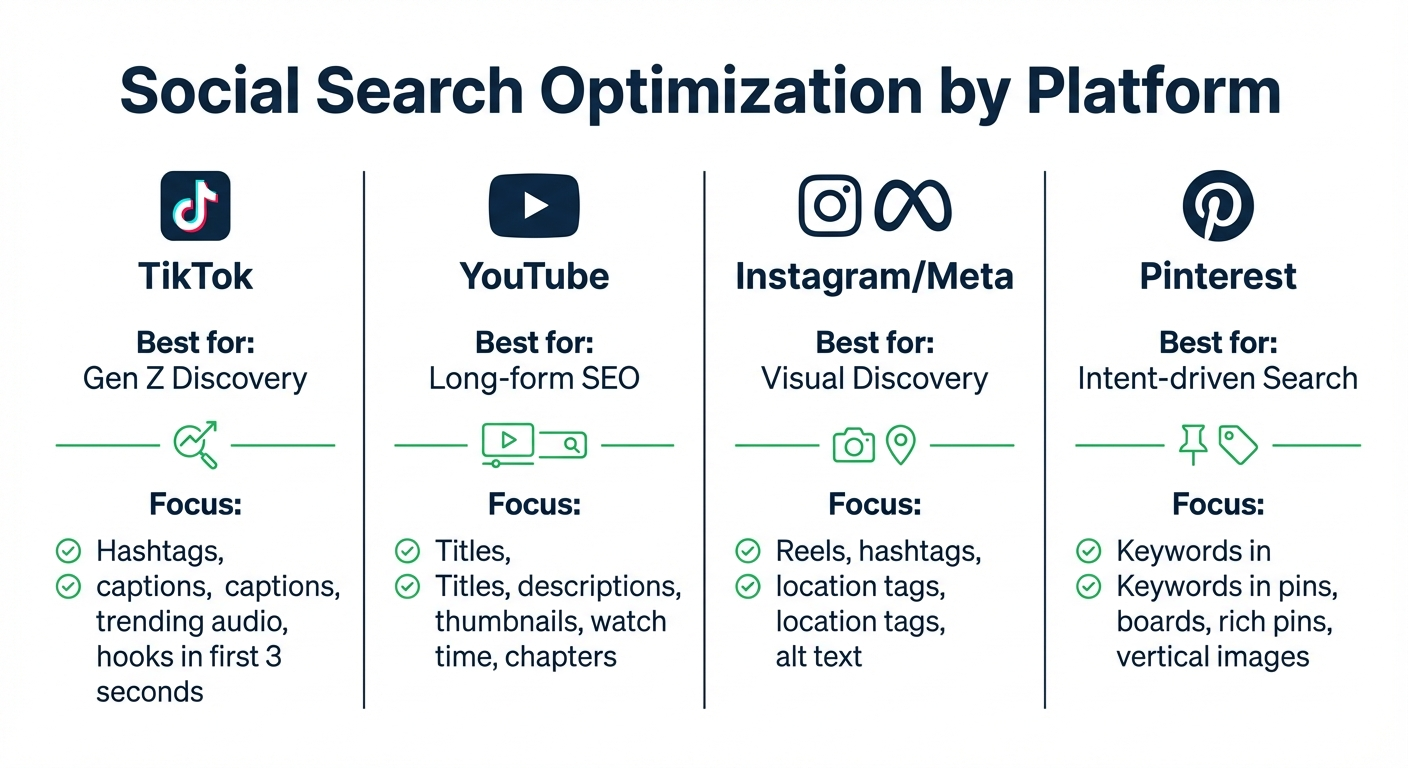
TikTok has evolved into a powerful discovery engine, especially for Gen Z, thanks to its short-form, algorithm-driven format and searchable video content. Marketers are now treating TikTok content like TikTok SEO, focusing on how keywords, captions, and hashtags can help videos rank in searches.
TikTok’s search engine runs on audio, text, hashtags, and engagement.
Optimization includes:
TL;DR: you have to speak your keywords. Show your keywords. Let the TikTok algorithm feel your keywords.
How can I rank higher in YouTube’s search algorithm?
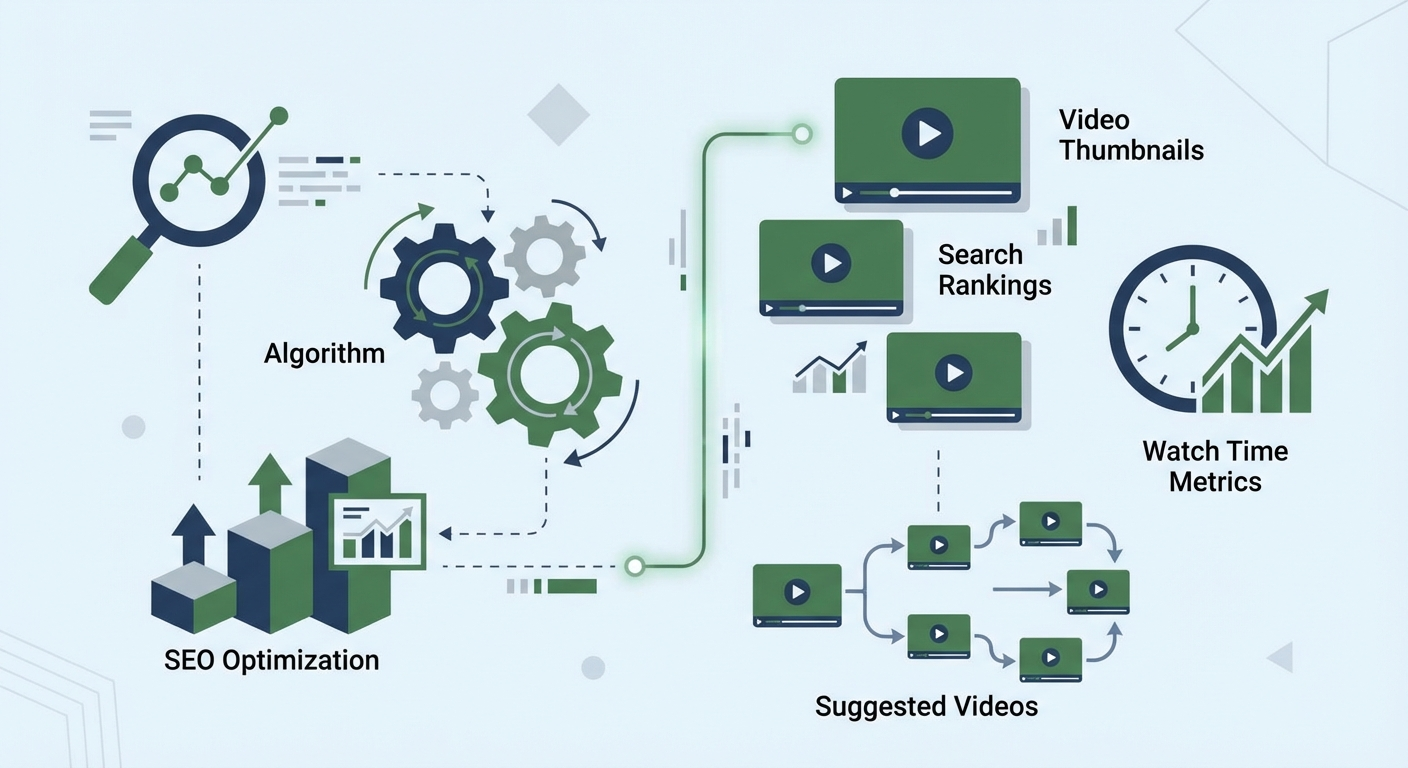
YouTube is still the second-largest search engine globally. Optimizing for it improves visibility and reach for both short-form and long-form content. In fact, is YouTube a search engine is no longer a debate—it’s a reality, and mastering YouTube SEO is a must for brands aiming to get discovered.
Here are some key tactics to consider to rank higher in YouTube search:
Example: A travel vlogger optimizing “3-day Siargao itinerary” should include that exact term in the title, say it in the video, and write a descriptive caption with timestamps.
TL;DR: YouTube SEO is still keywords-first, but performance metrics like watch time and engagement seal the deal.
What’s Meta’s search strategy: Instagram, Facebook, Threads?
With massive user bases and growing AI-driven feeds, Meta platforms are still major players in content discovery, especially for lifestyle, location, and community-based content.
Meta properties offer huge reach, and optimization applies across Instagram, Facebook, and even Threads. This includes Facebook SEO tactics like keyword-optimized bios, alt-text for images, Reels with descriptive captions, and location tagging to help profiles appear more in the Facebook search engine results.
Example: A local café should optimize their Instagram by using “coffee shop in BGC” in their bio, add location tags to Reels, and use trending food hashtags.
TL;DR: Meta search thrives on profile signals, alt-text, and smart tagging. Think beyond hashtags.
How do I optimize for Pinterest’s visual search?
Pinterest users often come with intent to purchase or plan, making it ideal for brands in lifestyle, fashion, and home improvement.
Pinterest is both a visual engine and a shopping platform. Key practices include:
Example: A fashion brand promoting “casual office outfits” should create Pins titled with that phrase, show multiple looks, and link directly to product pages.
TL;DR: Pinterest SEO = Pretty + Practical. Think keywords + clickable design.
What about LinkedIn and Reddit?
These platforms are goldmines for B2B, niche communities, and thought leadership, but each requires a tailored approach as these platforms work differently.
LinkedIn: LinkedIn’s internal search and even external visibility rely heavily on keyword usage across profiles, job titles, post captions, and even comment sections. Posts that have strong, topic-specific headlines, especially in carousels or thought leadership formats, are more likely to surface in searches and appear in suggested content feeds.
Reddit: Keyword relevance still matters, especially in post titles and thread content, but visibility is also driven by upvotes, recency, and engagement levels in the thread. Subreddits with niche authority often rank high in Google, making Reddit a strong indirect search channel when paired with active community participation.
TL;DR: Niche platforms like LinkedIn and Reddit require niche SEO. So it is best to know your community and your content language.
Cross-Platform & “Search Everywhere” Optimization
Your brand’s visibility shouldn’t depend on one algorithm. Think bigger. Think holistic, consistent, and adaptable, because today’s digital discovery isn’t confined to just one platform, format, or audience. The brands that succeed are the ones that build trust across multiple touchpoints and evolve with every algorithm update, not react to it.
What is Social Media Optimization in a Multi-Platform World?
A unified strategy starts with topics, not tools. By anchoring your content in themes your audience cares about, you can adapt each piece to fit the platform while keeping the core message intact. This is where social media optimization really shines, repurposing and clustering content to align with discovery trends across platforms.
It is best to remember that—today—content recycling isn’t lazy, it’s efficient. It allows you to tell one story, in many ways.
Which metrics matter for social search performance?
Success in social search isn’t just about going viral. It’s about being discoverable, credible, and worth engaging with. Here are the key metrics that signal to both algorithms and audiences that your content deserves to be seen.
Tracking these KPIs gives you more than just surface-level feedback, it tells you what’s working, what’s resonating, and where your brand is building real traction. In a world where algorithms are constantly shifting, these signals help you stay grounded, strategic, and searchable.
How do brand signals and engagement impact discoverability?
Each platform has its own secret sauce, but in general, the more people engage with your content, the more likely it is to be surfaced in searches and recommendations.
TL;DR: The more people interact with your content, and the more signals you send that your brand is active and valuable, the more likely you are to be discovered organically. Algorithms love brands that behave like people, not billboards.
Is Your Brand Showing Up?
If your brand isn’t visible where your audience is actually searching, whether that’s TikTok, Instagram, YouTube, or Pinterest, then you’re already behind. Consider this: how many social media users in the Philippines continue to grow each year, reinforcing why the Philippines is the social media capital of the world. Brands understand these shifts adapt faster and show up where discovery actually happens.
This question isn’t rhetorical. It’s a call to realign your digital strategy. Because whether you like it or not, audiences today are forming opinions, building trust, and making purchase decisions, before they ever hit your website. Social search isn’t an emerging trend. It’s already influencing the buyer journey in powerful ways.
The longer you wait, the harder it becomes to gain ground. Make your brand unmissable, not just where people used to search, but where they are searching now. The decision to optimize isn’t just technical anymore. It’s strategic. One that separates brands that get seen… from brands that get skipped.