Social Media Best Practices For Philippine Businesses in 2026
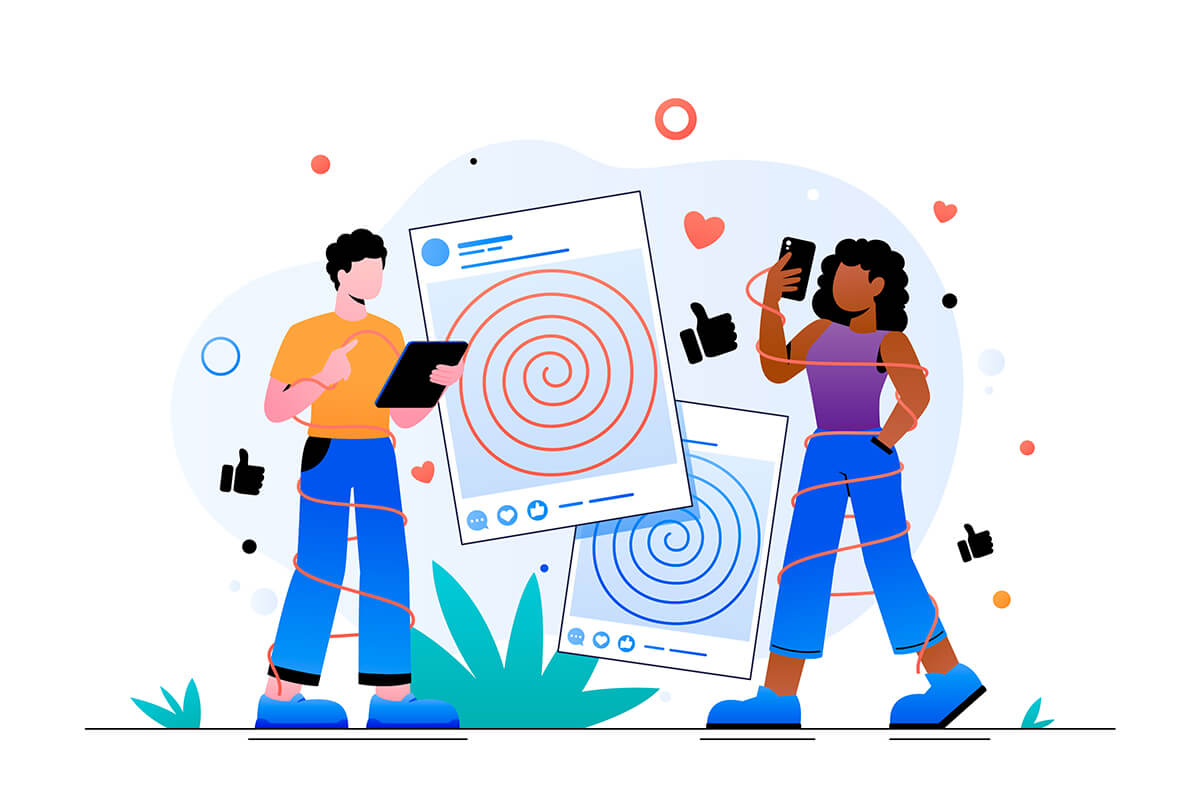
Philippine brands that post with intention, use first-party data, and build audience trust will outlast those chasing reach and volume on social media.
Key Takeaways
- Knowing your audience goes beyond age and gender—the most valuable segments are often the niche demographics that value your brand.
- Brands that build and use their own customer data scale more reliably than those that depend entirely on platform tools to find their audience.
- Consistent growth on social media requires strategy, creative systems, and data to work together.
Filipinos spend more time on social platforms than almost any other audience in the world. Every scroll, swipe, and search is part of our daily rhythm, which is exactly why brands fight so hard for attention here. But attention alone isn’t enough anymore. With competition rising, social media marketing best practices have shifted from “post regularly” to “communicate with intention.”
Brands are no longer just competing with each other. They’re competing with creators, communities, and the personalized feeds that shape what people see. And with Philippine social media ad spending growing every year, the real challenge isn’t showing up online. It’s showing up with something people actually care about.
This challenge applies to local businesses just as much as national brands. The same rules on social media apply to all businesses: know your audience, show up with purpose, and build systems that support consistent growth.
Social Media for Local Businesses: An Underappreciated Asset
The Philippines is one of the most active social media markets in the world, and that creates real opportunities for local businesses. Facebook, Instagram, TikTok, and YouTube are no longer just spaces for personal connection. They’re where buying decisions start, brands get discovered, and customer relationships are built.
For businesses, social media makes it more affordable to reach and build relationships with a wider audience. You don’t need a billboard budget to reach the right people. You need the right content, the right platform, and a clear understanding of what your audience actually wants to see.
Here’s what social media can do for your business:
Build Customer Relationships
Big brands have the budget for TV spots and large-scale campaigns. Most local businesses don’t. Social media closes that gap. It lets you reach your audience directly, respond in real time, and build trust over time. Tools like Facebook Insights provide social media metrics that show exactly how your audience is engaging, so you’re not guessing what’s working.
Increase Sales and ROI
The Philippines sees thousands of new businesses launch every year. Standing out takes more than a good product. A consistent social media presence drives awareness, keeps your brand top of mind, and moves people toward a purchase. For businesses nervous about paid campaigns, understanding how much Facebook ads cost upfront helps you plan a budget that works without overspending.
Set Your Business Apart
Social media is where your brand’s personality lives. Whether you lead with humor, education, or storytelling, it’s one of the few channels where small businesses can genuinely outshine larger competitors. Social media marketing for resorts, restaurants, retail shops, and service providers all look different, and that’s the point. The businesses that win are the ones that show up as distinctly themselves.
Support SEO
An active social presence supports your broader search strategy. When customers search for your brand, optimized profiles help you show up. Hashtags, location tags, and consistent posting signals strengthen your discoverability, both on platforms and through search engines like Google.
Social Media Best Practices for Businesses
Understand Your Audience First
Before you think about creative formats, posting schedules, or boosting strategies, start with the question most brands skip: Who is everyone else ignoring? The fastest wins often sit in the audiences your competitors haven’t noticed: the overlooked segments, the underserved niches, and the people who don’t see themselves in mainstream content.
Many brands still anchor strategies on outdated assumptions: “Gen Z is everywhere,” “women buy more,” “younger users drive engagement.” It’s incomplete. People move across platforms throughout the day, each in a different emotional state. TikTok for discovery, Facebook for community, Instagram for inspiration, YouTube for research, and Messenger when they’re ready to ask a question. Age and gender barely scratch the surface of intent or purchasing power.
The segments worth your attention are often the ones everyone else ignores:
- Older millennials and Gen X with higher household income
- Niche communities like parent groups and OFWs
- Local micro-markets that national brands overlook
- Users who engage with long-form content instead of trends.
Top social media agencies now prioritize layered insights (values, lifestyle patterns, content behavior) because audiences aren’t predictable anymore. They’re fluid, and your strategy needs to move with them.
Use the Different Social Media Platforms as a Local Business
Not all platforms work the same way, and posting identical content across all of them is one of the most common mistakes local businesses make. Each platform has its own culture, its own pace, and the types of content that perform well on one often fall flat on another. Here’s how to approach each one:
- Facebook: Show the human side of your business. Company culture, behind-the-scenes moments, community updates, and customer stories all work well here. Facebook also remains the strongest platform for running targeted paid campaigns and reaching local audiences through groups and events.
- Instagram: Lead with visuals. Creative photos, short-form reels, and aspirational content fit naturally into Instagram feeds. Use Stories for limited-time promos and product showcases, and don’t overlook hashtags to extend your organic reach.
- TikTok: Entertain first, sell second. Behind-the-scenes clips, quick tutorials, and trend-driven content all perform well here. TikTok is also increasingly powerful for product discovery, especially among younger Filipino consumers.
- YouTube: Go deeper. Long-form demos, explainer videos, customer testimonials, and how-to content give your audience a reason to stay. YouTube is where people go when they want to research before they buy.
- LinkedIn: Share expertise. Blog articles, industry insights, and company updates work well for B2B brands and service-based businesses. It’s also a strong platform for recruiting and building professional credibility.
- X (formerly Twitter): Build thought leadership and join conversations. Timely, opinion-led posts and relevant hashtags help increase brand visibility and position your business as a voice in your industry.
The most important thing to remember is consistency in brand voice across all platforms. Your audience should be able to recognize your content no matter which channel they’re on.
Humanized Content Beats Polished, Detached Branding
Filipinos don’t connect with “perfect.” They connect with people. When content is too polished, too corporate, or too sanitized, it starts to feel like background noise: nice to look at, but easy to scroll past.
The Philippine market is emotionally driven. People respond to stories, humor, shared struggles, and everyday moments that mirror their own lives. They can tell when content is too stiff, too staged, or too “brand voice” and not enough human voice.
Celebrities still move the needle for mass awareness, but micro-influencers win when the goal is persuasion. They look like your officemate, gym buddy, or neighbor. Their recommendations feel more credible because their lives feel more attainable. The same logic applies to your content, and it’s one of the most consistent best practices in social media: show people, not products. A family seeing their new home for the first time tells a better story than a condo facade ever will.
Use Data and Lookalikes to Expand Your Reach
Every brand wants wider reach, but not all reach is created equal. The goal isn’t to be seen by everyone. It’s to be seen by the right people, at the right moment, with the right message. That’s where your own data becomes a quiet superpower.
Algorithms change, and privacy rules shift, but your own customer data stays with you. A small pool of first-party data, whether it’s emails, phone numbers, or purchase records, lets you segment audiences, build smarter retargeting, and run campaigns without relying entirely on platform-level tracking. Brands that build their own lists never stop scaling.
Lookalike audiences take this further. Instead of guessing who might convert, Meta finds users who behave like your best customers. Pair that with social media metrics that reveal which audiences are already engaging with your content, and you get a far clearer picture of who to target next. Conversion rate optimization feeds the algorithm with clean, consistent data and helps establish more stable, better-targeted campaigns.
Remarketing Still Delivers Some of the Best Returns
With how crowded social feeds are, most people won’t convert on the first touchpoint. They need reminders, proof, reassurance, or simply the right timing. Remarketing speaks to people who already showed interest, instead of chasing cold audiences who barely know you exist. When done properly, it doesn’t feel pushy. It feels familiar.
Filipinos browse a lot before committing. We compare prices, wait for promos, add things to cart for “future me,” and ask friends for opinions. Remarketing steps in during that in-between space: right after curiosity, right before a decision.
It works because:
- The intent is already there
- The user recognizes your brand
- The offer feels more relevant the second time around
- The message lands with less friction
How to Structure a Remarketing Funnel
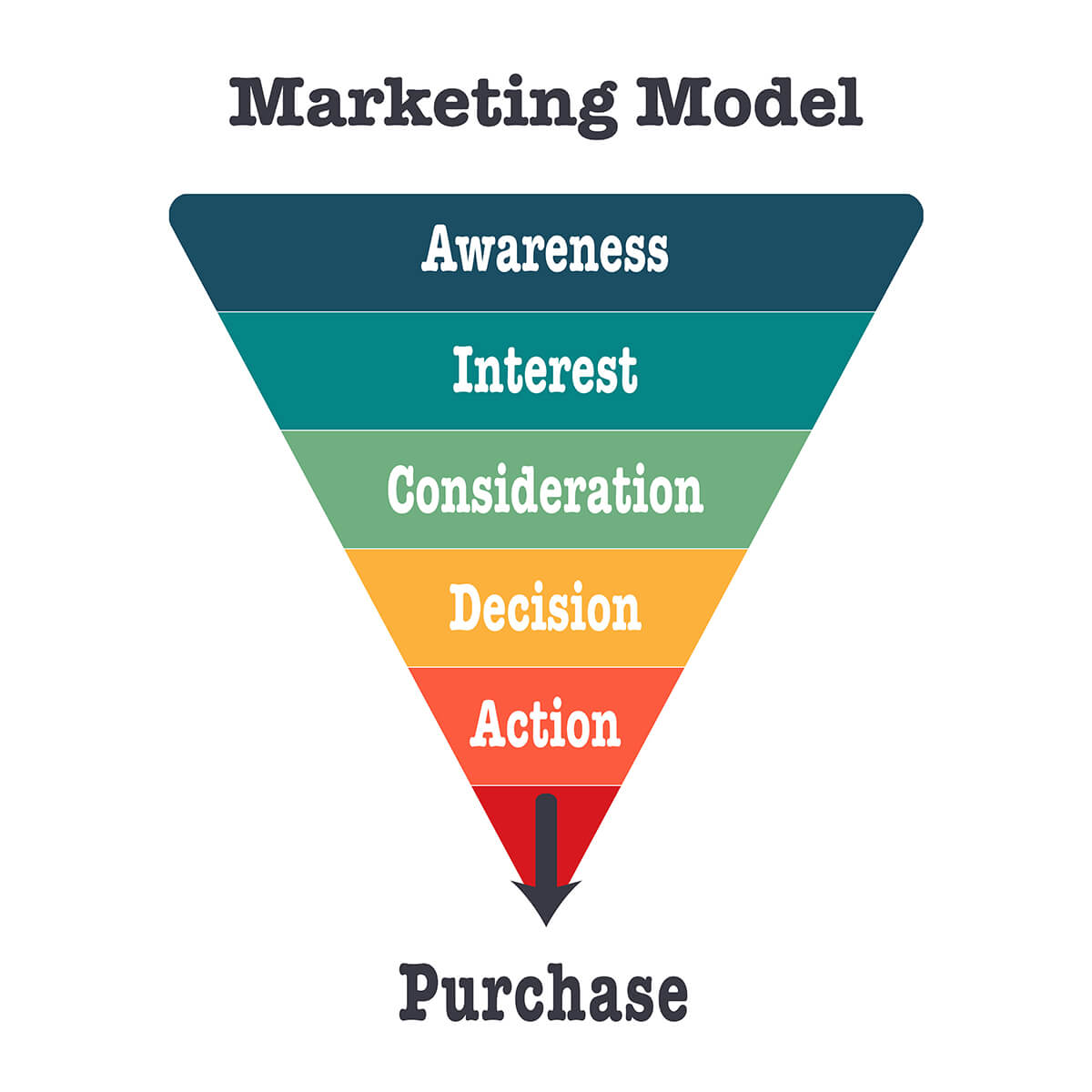
A good remarketing funnel guides people rather than overwhelming them. Structure it in three stages:
- Warm Reminder: For people who viewed your page or product but didn’t take action. Light CTA, helpful tone.
- Consideration Push: For people who added to cart, clicked “message,” or spent time browsing. More specific messaging, social proof, and FAQs.
- Decision Nudge: For people on the edge of converting. Clear offer, strong CTA, reduce hesitation.
Each stage addresses a different emotional state: awareness, reconsideration, and commitment.
Prioritize Quality Over Quantity
The days of “post every day” or “just boost it” are long gone. With feeds getting louder and attention getting shorter, posting on social media is no longer about volume. It’s about intention. Every post has to earn its place in the feed: not by being perfect, but by being useful, human, or emotionally resonant.
- Quality always beats frequency. Quality content for social media can outperform a week’s worth of fillers. Think relevance, clarity, value, and emotional pull. Consistency is important, but substance is non-negotiable.
- Lead with a clear POV, not generic captions. Posts that sound like they came from a content calendar template don’t stand out. A good POV is specific, confident, and anchored on something true about your audience. If your caption can apply to any brand, it applies to none.
- Optimize your creative for the platform, not for aesthetics. Platform-native content wins because it feels like it belongs in the feed. Less “branded,” more “this feels like something my friend would share.”
- Make every post useful in a small, practical way. People rarely remember brand messages, but they remember how your content made their life easier, even for three seconds. Helpful posts travel farther than promotional posts.
- Use clear, honest CTAs. A CTA doesn’t need to be loud. It just needs to be clear. Instead of “BUY NOW,” try “See how it works,” “Check this before you shop,” or “Got questions? Message us.”
New Social Media Marketing Trends Filipino Brands Should Watch
Social media changes fast, but Filipino behavior changes even faster. Trends don’t just come and go, they reshape how people discover brands, make decisions, and influence each other. Instead of chasing every shiny update, it helps to understand the shifts that actually affect how Filipinos shop, interact, and pay attention.
Here are the social media marketing trends shaping how brands win (or get ignored) in the Philippines today.
Short-Form Video Is Still the Front Door to Discovery
TikTok didn’t just change content formats, it changed attention spans, expectations, and the way people research products. Even on Facebook and Instagram, short videos dominate reach and engagement.
Short-form works because:
- People want quick, visual proof
- It feels native to every feed
- It lowers the barrier to discovery
- It teaches before it sells
Brands that win here don’t act like TV. They act like creators.
DM-Based Shopping Is Becoming the Norm
More Filipinos now ask questions, negotiate, and complete orders inside Messenger, IG DMs, and TikTok chats. It feels safer, more personal, and more “Pinoy.”
This matters because:
- Customers expect quick replies
- Conversations build trust faster than posts
- Messaging is the modern customer service
- Direct chat accelerates conversion
If your brand treats DMs like a chore, you’re losing sales you never knew you had.
Creator-Led Content Outperforms Brand-Led Content
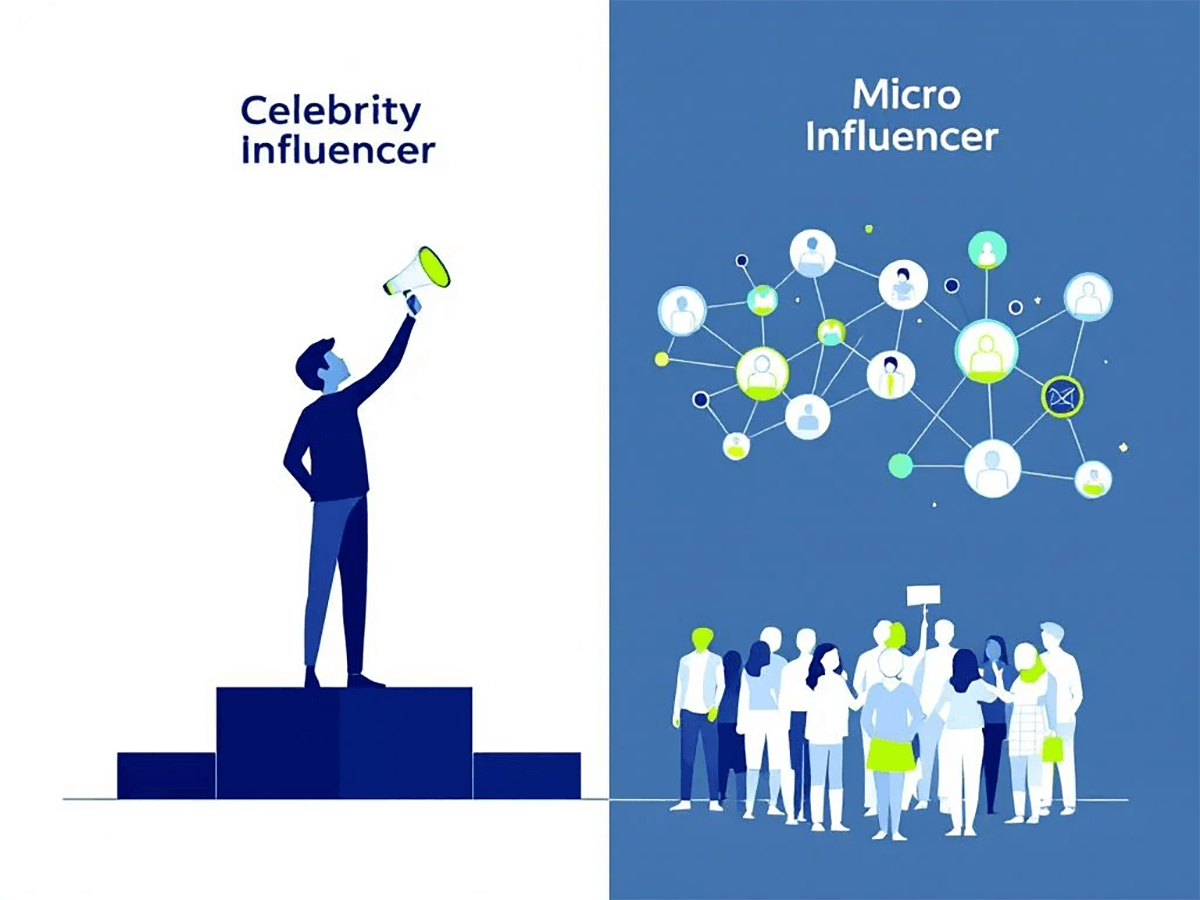
People scroll past polished brand ads, but they pause for creators, even small creators. Creator-led content wins because it feels:
- Personal
- Honest
- Lived-in
- Naturally persuasive
It’s not about follower count anymore. It’s about influence built through authenticity.
UGC (User-Generated Content) Works Better Than “Studio” Campaigns
Filipinos trust content that feels unscripted: reviews, try-ons, demos, reactions, “day in the life,” “I tried this so you don’t have to.
Studio-quality content may look good, but UGC convinces. So if your brand isn’t collecting UGC, you’re leaving a powerful conversion tool on the table.
Social Commerce Is Changing the Buyer Journey
People don’t always leave the app to buy something anymore. Platforms now support social commerce through:
- In-app storefronts
- Product tagging
- Embedded checkout
- Live-selling conversions
The journey from “I just saw this” to “I bought it” is becoming frictionless.

Platform-Specific Creativity Matters More Than Ever
The “one post for all platforms” approach is dead. What works on TikTok looks awkward on Instagram. What works on Instagram doesn’t move people on Facebook.
Each platform has its own culture, humor, pacing, and visual language. Winning brands don’t recycle, they adapt.
When Your Social Media Strategy Needs a Professional Team
There’s a point where DIY posting hits a ceiling. The content looks okay, the page stays active, but the results don’t move. Growth stalls not because the brand lacks effort, but because social now demands strategy, creativity, data, and consistency all at once. When you get to this point, a social media marketing strategy is the only way forward.
- Your brand needs consistency, not occasional bursts. A professional team keeps your momentum steady, including the days when your business gets too busy to think about content.
- Your campaigns are scaling faster than your bandwidth. An agency backs you up with planners, writers, designers, and analysts so nothing falls through the cracks.
- You’ve outgrown the basics. Audience mapping, funnel planning, paid optimization: these take experience, not guesswork.
- You want results you can replicate. An agency builds systems, reporting flows, content calendars, and optimization cycles, so your growth becomes predictable.
Truelogic is a digital marketing agency in the Philippines with a deep understanding of local culture and audience behavior. We can develop a personalized social media strategy that connects your brand to the right people and turns that connection into measurable growth.
Ready to Take Over The Social World?
Social media has never been more crowded, but it has also never been more full of opportunity. The brands that win aren’t the ones posting the most. They’re the ones posting with intention. When you understand your audience, speak in a human voice, and build systems that support your growth, social media stops feeling like a guessing game.
Social media levels the playing field for local businesses in a way few other channels can. People don’t remember every post they scroll past. But they remember the brands that made them feel seen, entertained, or helped. You don’t need a massive budget to do that and build a loyal following. You need clarity, consistency, and the willingness to show up for the right people.
Get in touch with us to start transforming your social media strategy.
Frequently Asked Questions
How often should a brand post on social media each week?
Consistency matters more than frequency. Three to five high-quality posts per week outperform daily posting without a clear strategy or audience relevance.
Can a business succeed on social media without running paid ads?
Organic growth is possible but slower. Paid campaigns amplify what’s already working and help brands reach new audiences beyond their existing followers.
How do you know when it’s time to shift from organic posting to paid social campaigns?
When organic reach plateaus and growth stalls despite consistent posting, paid campaigns help brands reach audiences beyond their existing follower base.