How to Create a Content Calendar for Philippine Businesses
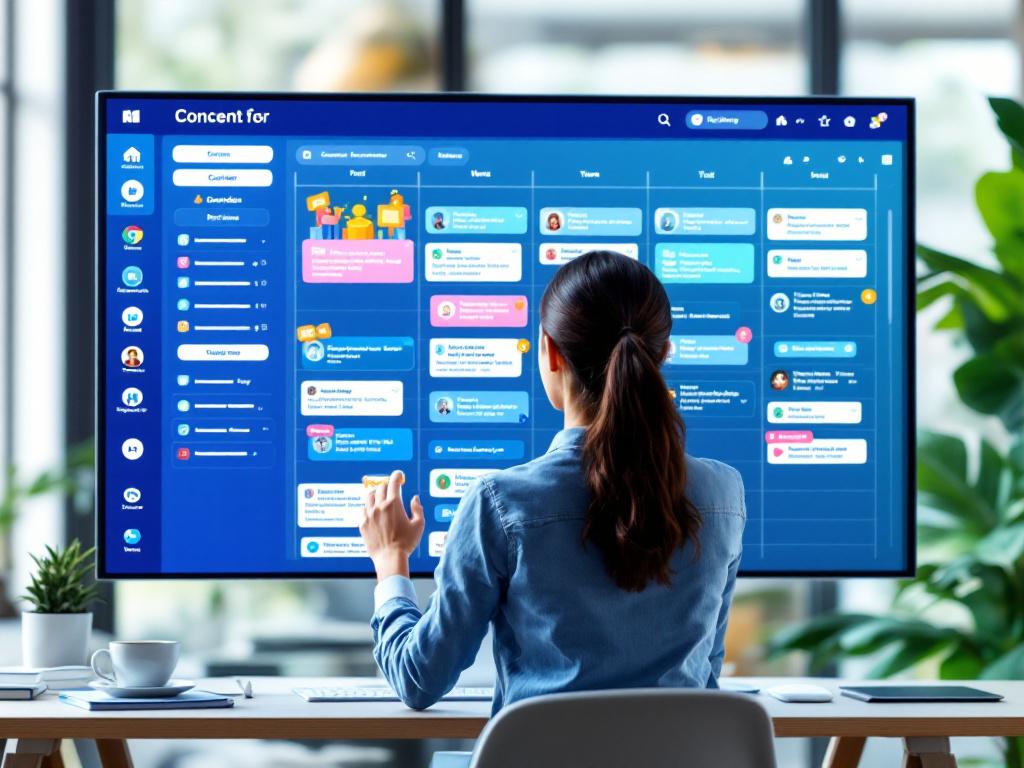
Why Philippine Businesses Need a Content Calendar Without a content calendar, marketing teams often find themselves scrambling—posting reactively, missing opportunities, and struggling to maintain consistency. The benefits of implementing a proper content planning system are significant: Consistency: Regular posting builds audience expectations and algorithm favor. A calendar ensures you never miss scheduled touchpoints. Strategic Alignment: Every piece of content serves a purpose when planned in advance, supporting broader business goals. Resource Optimization: Batching content creation is more efficient than daily scrambling, allowing your team to work smarter. Campaign Integration: Align social content with product launches, promotions, and seasonal campaigns seamlessly. Team Coordination: Multiple stakeholders—writers, designers, approvers—can work from the same plan without confusion.
Professional content marketing services can help you develop and maintain a calendar that drives real business results.The most common mistake businesses make with content calendars is treating them as rigid schedules rather than living documents. Build in flexibility for timely opportunities while maintaining your strategic foundation.
Essential Components of a Content Calendar Template
An effective content calendar should include these key elements:Publication Details
- Date and time of posting
- Platform (Facebook, Instagram, LinkedIn, TikTok, etc.)
- Content type (image, video, carousel, story, reel)
- Post copy and hashtags
- Links and UTM parameters
Content Classification
- Content pillar or category
- Campaign association
- Target audience segment
- Goal (awareness, engagement, conversion)
Production Tracking
- Status (idea, in production, pending approval, scheduled)
- Assigned team members
- Asset requirements (photos, videos, graphics)
- Approval workflow status
Performance Tracking
- Key metrics to track
- Actual performance data (added post-publication)
- Notes for future optimization
Choosing the Right Tools
The best content calendar tool depends on your team size, budget, and workflow needs:For Small Teams and Solopreneurs
Google Sheets or Excel: Free, flexible, and familiar. Create custom templates that match your exact needs. Easy to share and collaborate. Notion: Combines calendar views with database functionality. Great for teams that want more than just scheduling. Trello: Visual board-based planning that works well for content pipelines with clear stages.For Growing Teams
Asana or Monday.com: Project management tools that handle content calendars with robust collaboration features. Airtable: Database-meets-spreadsheet functionality with powerful views and automations.For Full-Scale Operations
Hootsuite or Sprout Social: All-in-one social media management with built-in scheduling, analytics, and team workflows. HubSpot: Integrated with CRM and marketing automation for enterprises needing connected systems. Effective social media management services often include calendar management as part of comprehensive support.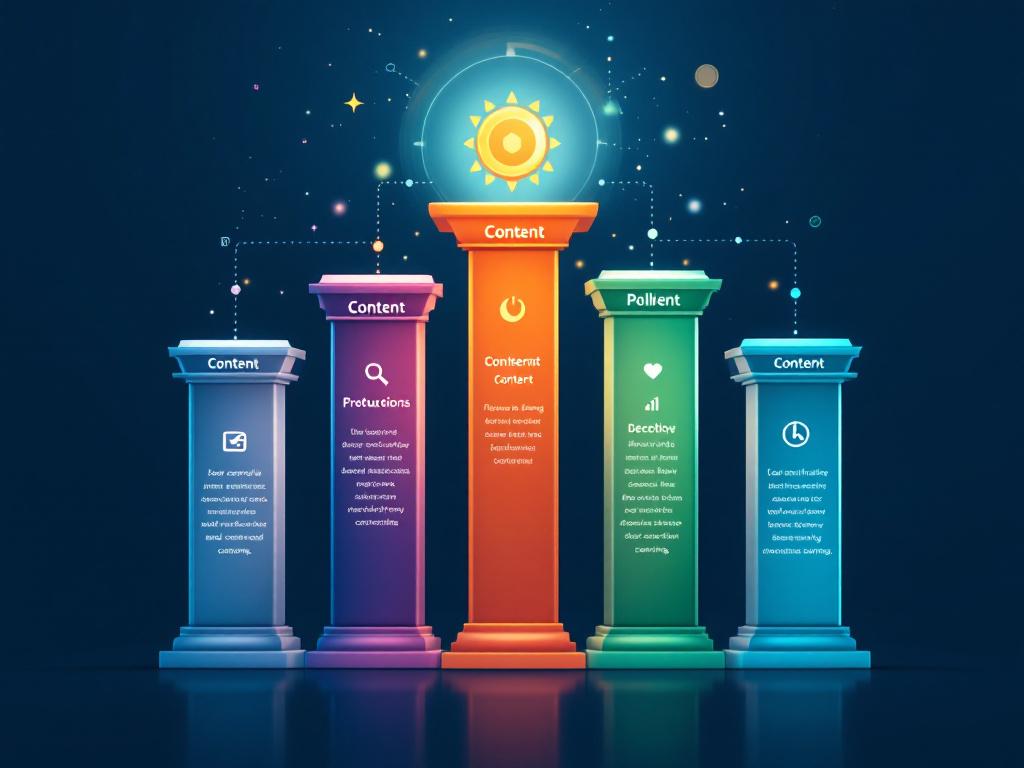
Building Your Content Pillars
Content pillars are the core themes that define what your brand talks about. For Philippine businesses, effective pillars typically include: Educational Content (40-50%): How-to guides, tips, industry insights that provide value and establish expertise. Promotional Content (20-30%): Product features, offers, announcements—but balanced so you’re not always selling. Engagement Content (15-20%): Questions, polls, user-generated content, and community interactions. Brand Story Content (10-15%): Behind-the-scenes, team features, company values, and culture. Trending/Seasonal Content (Variable): Timely content tied to current events, holidays, and cultural moments.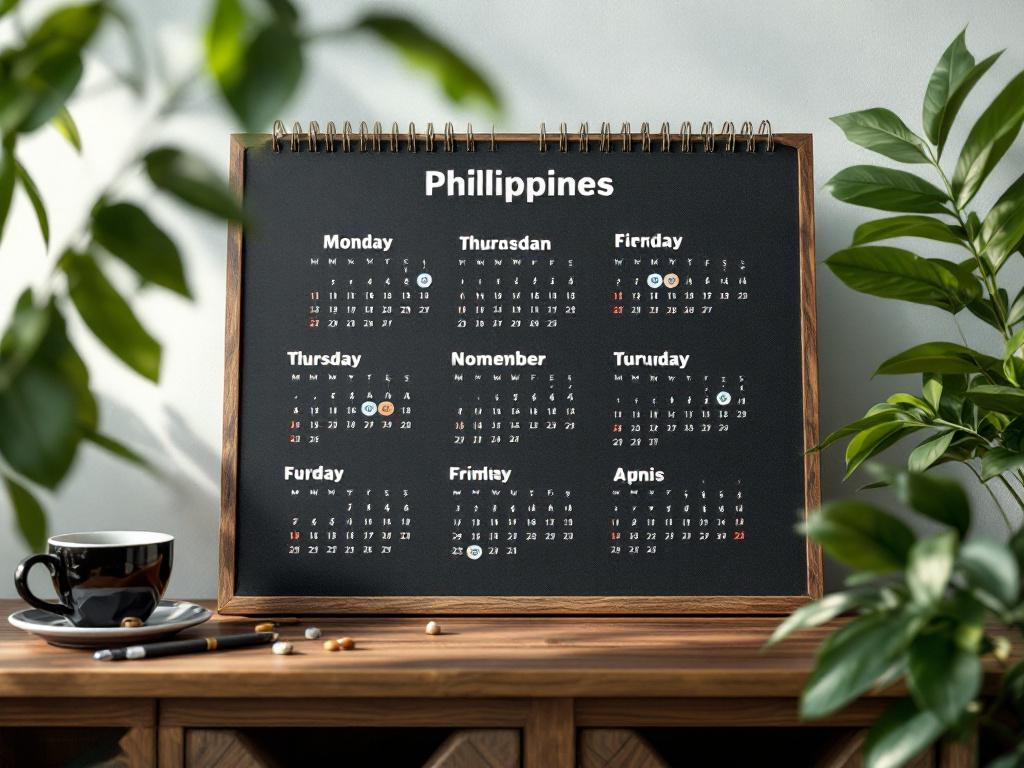
Philippine-Specific Calendar Considerations
Planning content for the Philippine market requires attention to local dates and cultural events:Major Holiday Content Opportunities
Q1:- New Year (January 1) – Goal-setting, fresh start themes
- Chinese New Year (varies) – Luck, prosperity for businesses with Chinese-Filipino audiences
- Valentine’s Day (February 14) – Love and relationships content
- EDSA Revolution Anniversary (February 25)
- Araw ng Kagitingan (April 9)
- Holy Week (March/April) – Sensitive period, adjust tone
- Labor Day (May 1)
- Mother’s Day (May, 2nd Sunday)
- Independence Day (June 12)
- Father’s Day (June, 3rd Sunday)
- Buwan ng Wika (August) – Opportunity for Filipino language content
- National Heroes Day (August)
- BER Months Begin (September) – Christmas season starts early in the Philippines!
- All Saints’ Day (November 1)
- Bonifacio Day (November 30)
- Christmas Season (September-December)
- Rizal Day (December 30)
- New Year’s Eve (December 31)
Payday Cycles
Filipino workers typically receive salaries on the 15th and 30th of each month. Schedule promotional content strategically around these dates when purchasing power is highest.Shopping Events
- Monthly “double-day” sales (11.11, 12.12, etc.)
- Midyear sales (June-July)
- Back-to-school season (May-June)
- Christmas sales (November-December)
Creating Your Weekly Content Mix
A balanced weekly posting schedule for Philippine social media might look like this: Monday: Motivational or educational content to start the week Tuesday: Tip or how-to content Wednesday: Engagement post (question, poll, challenge) Thursday: Industry news or trend content Friday: Fun or lighter content for the weekend mood Saturday: User-generated content or community features Sunday: Inspirational or planning-ahead content Adjust frequency based on your platform priorities. Facebook and Instagram may require daily posting, while LinkedIn might perform better with 3-4 quality posts per week.
Platform-Specific Content Planning
Each platform has unique requirements and audience expectations:- Mix of formats: images, videos, links, text posts
- Optimal posting: 1-2 times daily
- Best times: 8-9 AM, 12-1 PM, 7-9 PM (Philippine time)
- Focus on community building and conversations
- High-quality visuals essential
- Stories daily, feed posts 4-7 times weekly
- Reels for reach, carousels for engagement
- Hashtag strategy critical
TikTok
- Trend-driven content that moves fast
- Post 1-3 times daily for algorithm favor
- Authentic over polished
- Sound and music integration important
- Professional, value-driven content
- 3-5 posts per week typically sufficient
- Long-form posts and documents perform well
- Employee advocacy integration
Setting Up Your Workflow
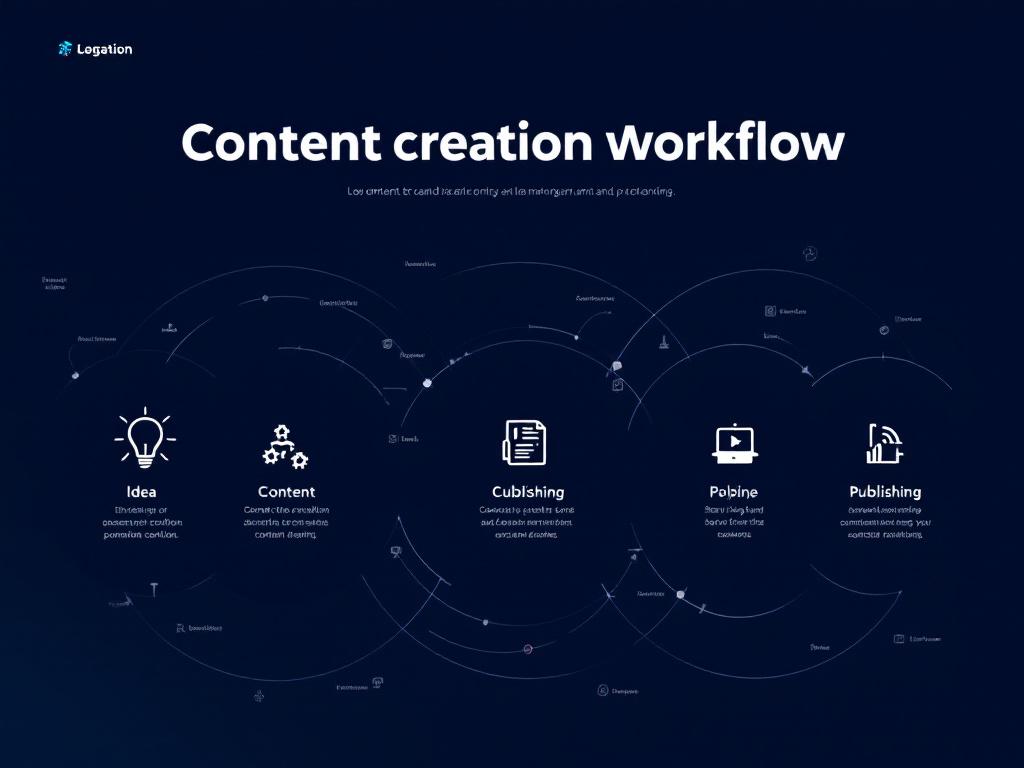
An efficient content calendar workflow includes these stages: Stage 1: Ideation (Week -4) Brainstorm content ideas based on upcoming events, campaigns, and content pillars. Research trending topics and competitor activity. Stage 2: Planning (Week -3) Map ideas to specific dates and platforms. Assign responsibilities and deadlines. Stage 3: Creation (Week -2) Develop copy, create or source visuals, produce video content. Build assets according to platform specifications. Stage 4: Review & Approval (Week -1) Internal review for quality, brand alignment, and accuracy. Stakeholder approvals where required. Stage 5: Scheduling (Week -1 to Day -1) Load approved content into scheduling tools. Set up UTM tracking. Final checks. Stage 6: Publishing & Monitoring (Day 0+) Monitor for engagement opportunities. Respond to comments and messages promptly. Stage 7: Analysis (Ongoing) Track performance metrics. Document learnings for future planning.Content Calendar Template Structure
Here’s a practical template structure you can adapt: Monthly View:- Calendar grid showing all planned posts
- Color-coded by content pillar or campaign
- Key dates and events highlighted
- Detailed breakdown by day and platform
- All post details including copy, assets, and links
- Status tracking for each post
- Repository of evergreen content ideas
- Templates and recurring post formats
- Asset library organization
- Key metrics tracking
- Week-over-week comparisons
- Best performing content highlights
Common Content Calendar Mistakes to Avoid
Being Too Rigid: Leave room for spontaneous, timely content. The calendar should guide, not constrain. Ignoring Analytics: Don’t just post and forget. Use performance data to continuously improve your content strategy. Over-Promotion: Following the 80/20 rule—80% value-adding content, 20% promotional—keeps audiences engaged. Forgetting Cross-Platform Adaptation: The same content doesn’t work identically across all platforms. Adapt formats, copy, and timing for each channel. No Contingency Plan: Have backup content ready for when planned content becomes inappropriate due to current events or crises.Integrating Your Calendar with Inbound Marketing
Your content calendar should support broader inbound marketing services objectives:- Align social content with blog publishing for maximum amplification
- Plan content that supports SEO objectives and target keywords
- Create conversion pathways from social content to landing pages
- Integrate email marketing announcements into social calendar
- Coordinate paid and organic content for campaign synergy
Measuring Content Calendar Success
Track these metrics to evaluate your content calendar effectiveness: Consistency Metrics:- Posts published vs. posts planned
- On-time publishing rate
- Content mix adherence to planned ratios
- Engagement rate by content type
- Reach and impressions trends
- Click-through rates to website
- Conversion events from social traffic
- Time from ideation to publication
- Revision cycles per piece of content
- Team capacity utilization