Alternative Search Engines: Is Someone Eating Google’s Lunch?
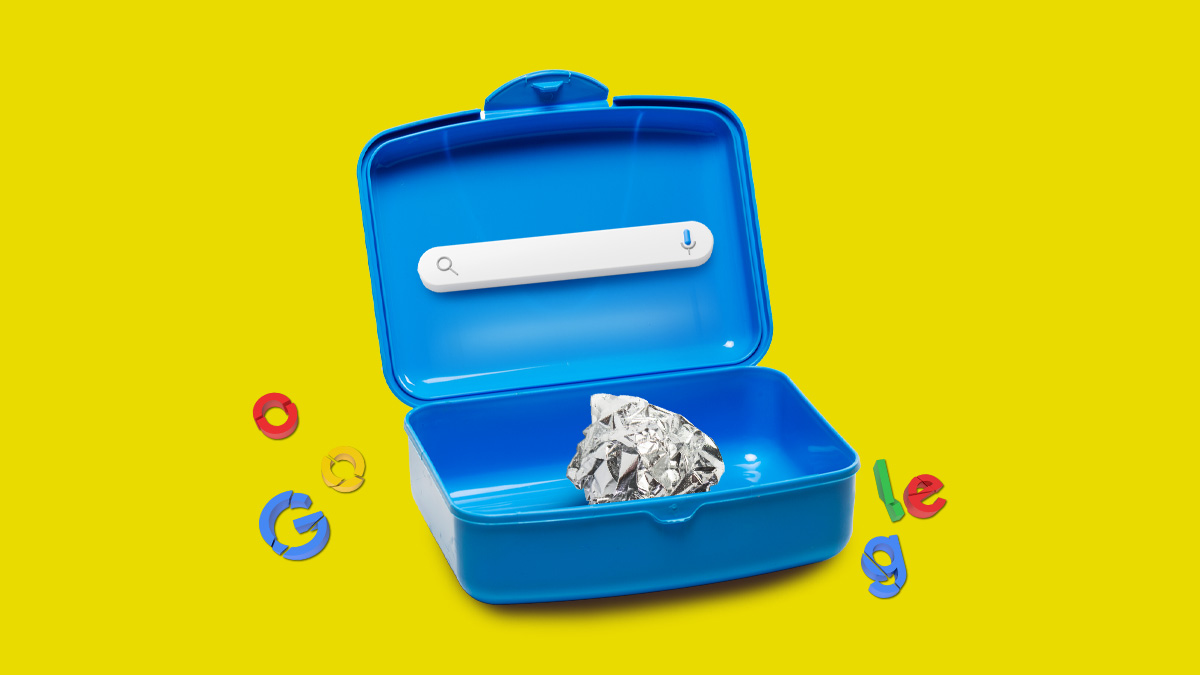
Google dominates the global search engine market with a staggering 90.8% share. Despite this overwhelming dominance, there are growing whispers about whether artificial intelligence (AI) tools and alternative search engines could challenge Google’s reign.
Let’s talk about the rise of AI tools such as ChatGPT, Copilot, and Google’s own Gemini, and discuss whether they, or other platforms, pose a real threat to Google’s search supremacy.
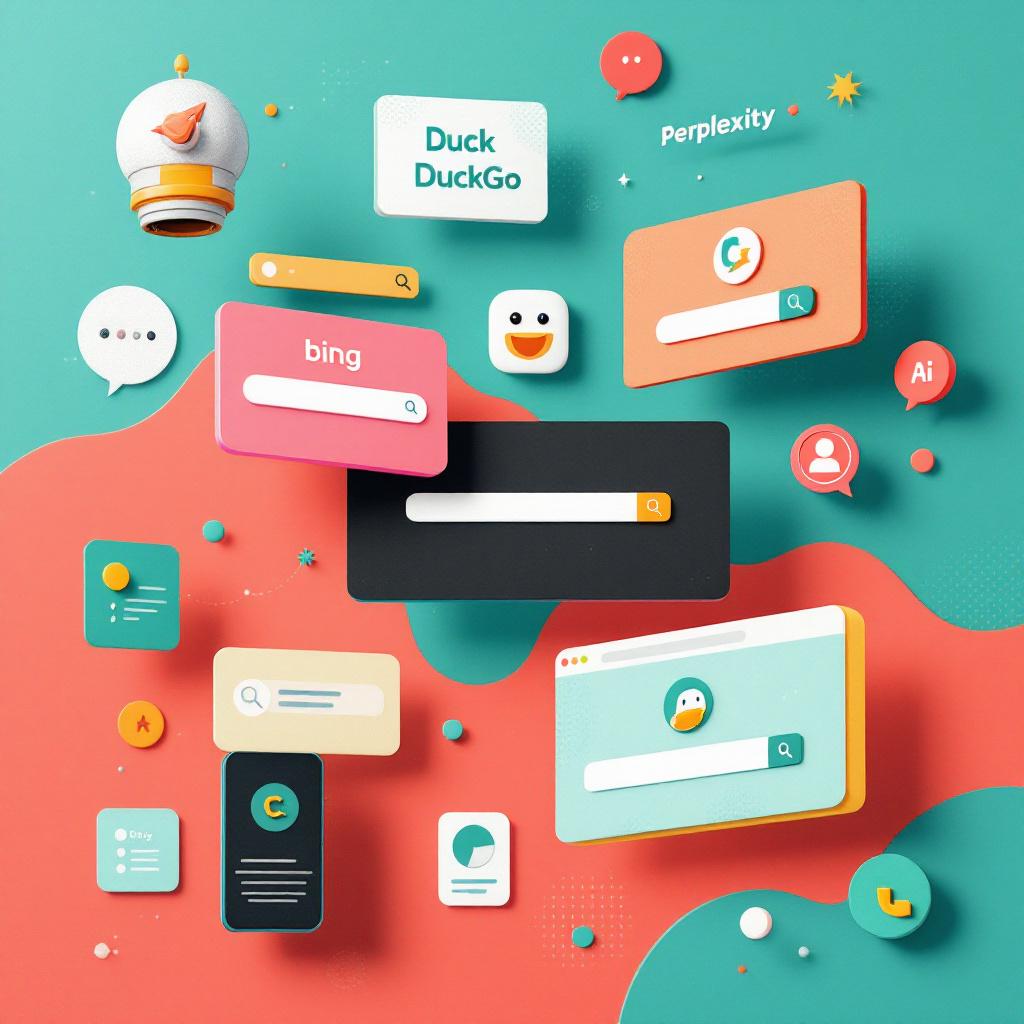
The Rise of Artificial Intelligence in Search
Artificial intelligence is changing how we access information, directions, activity suggestions, and product recommendations. AI tools have become an integral part of our digital lives, but do they have the potential to dethrone Google?
Bernard San Juan, Managing Partner at Truelogic, discusses popular AI tools that rival Google in providing information. For businesses looking to stay ahead of these changes, understanding AI SEO strategies is becoming increasingly important.
ChatGPT
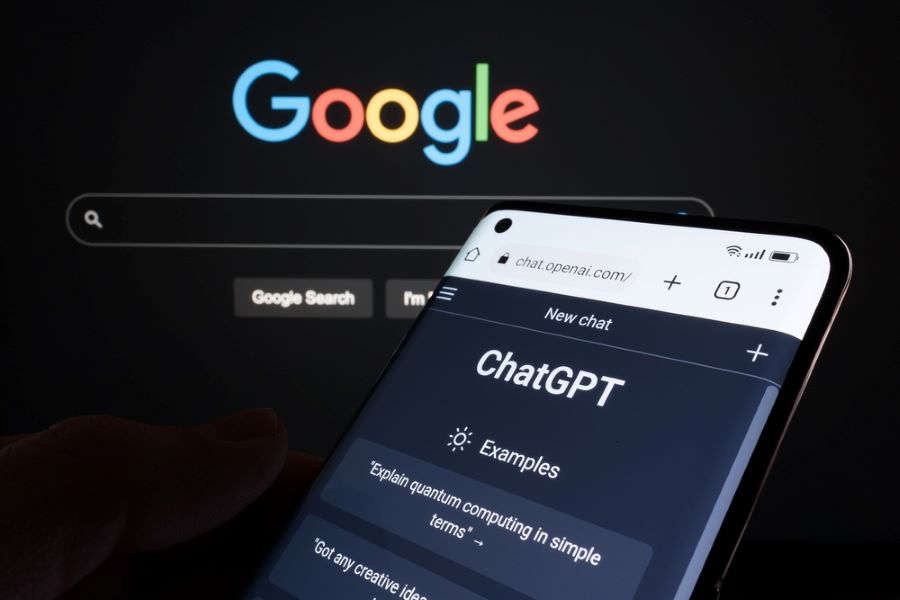
Released in November 2022, ChatGPT quickly gained traction, amassing 100 million users in just two months. This rapid adoption rate was unprecedented. However, despite its initial buzz, ChatGPT hasn’t significantly impacted Google’s search volume.
“Today, ChatGPT has an estimated 200 million active users,” Bernard explains. “But it hasn’t really replaced search because it seems like people are augmenting their search behaviors with ChatGPT, not replacing them.”
While ChatGPT boasts impressive user numbers, Google still commands around 100 billion searches a month, equating to approximately 8.5 billion searches daily. This immense volume highlights the challenge AI tools face in disrupting Google’s stronghold.
Copilot
Microsoft’s Copilot, powered by OpenAI’s GPT-4 Turbo and DALL-E 3, was anticipated to be a game-changer. The announcement of Copilot, also known as Bing AI Chat, led to a notable bump in Microsoft’s stock price. However, its impact on search behavior has been modest.
“If you look at the traffic to bing.com/chat, it’s only modest compared to Google’s billions,” says Bernard. Despite the hype, Copilot has yet to significantly alter user preferences for traditional search engines.
Gemini
Google’s response to the AI revolution is Gemini, previously known as Apprentice Bard. Gemini has shown promising traction, but compared to the traffic to Google Search, it is still ultimately a small portion of overall search activity.
Perplexity AI: The Rising Challenger
One of the most interesting newcomers to the AI search space is Perplexity AI. Unlike traditional chatbots, Perplexity positions itself as an “answer engine” that provides sourced, cited responses with links to original content. This approach bridges the gap between conversational AI and traditional search.
Perplexity has seen significant growth, attracting users who want quick answers with verifiable sources. For businesses, this represents a new frontier in visibility—being cited by Perplexity can drive referral traffic and brand awareness.
SearchGPT and the Future of AI Search
OpenAI’s SearchGPT represents another evolution in AI-powered search. By combining the conversational abilities of ChatGPT with real-time web search, SearchGPT aims to provide comprehensive answers while still directing users to source websites. This hybrid approach acknowledges that users still want to verify information and explore topics deeper.
Alternative Search Engines
While AI tools like ChatGPT, Copilot, and Gemini garner attention, other platforms also serve as alternative search engines, fulfilling specific user needs. Here are some noteworthy examples:
- Quora: With hundreds of millions of monthly users, Quora excels in satisfying “I want to know” moments.
- Reddit: Reddit serves as a valuable source of diverse opinions and niche information, with users increasingly adding “reddit” to their Google searches.
- Wikipedia: A powerhouse of knowledge drawing hundreds of millions of monthly visitors.
- TikTok Search: TikTok’s search functionality is gaining popularity, especially among younger demographics who prefer video content.
- YouTube: Owned by Google, YouTube handles around 3 billion searches monthly, primarily for video content.
- Amazon: Dominating product searches, Amazon sees hundreds of millions of monthly product search queries.
- DuckDuckGo: The privacy-focused search engine has carved out a loyal user base concerned about data tracking.
Despite their significant user bases, these platforms collectively account for only a fraction of Google’s monthly search volume. Understanding where your audience searches is crucial for effective SEO strategy.

What This Means for Your SEO Strategy
The rise of AI search tools doesn’t mean traditional SEO is dead—far from it. However, it does mean businesses need to adapt their strategies:
- Optimize for Answer Engines: Structure your content to be easily parsed and cited by AI tools. Clear, authoritative answers to common questions are more likely to be surfaced.
- Build Brand Authority: AI models tend to cite sources they perceive as authoritative. Invest in content marketing and thought leadership.
- Diversify Traffic Sources: Don’t rely solely on Google. Consider how your audience uses YouTube, TikTok, Reddit, and AI tools.
- Focus on Technical Excellence: Technical SEO remains crucial—fast, well-structured sites perform better across all platforms.
The Advertising Perspective
One of the critical indicators of Google’s continued dominance is its advertising revenue. Google’s ad revenue continues to grow year over year, reflecting sustained advertiser confidence in the platform’s reach and effectiveness. For businesses running paid campaigns, Google Ads management remains essential.
“The fact that Google’s ad revenue is increasing sort of tells you that no, they haven’t lost significant search traffic,” Bernard concludes.
The Future of Search: Will AI Eat Google’s Lunch?
While AI tools and alternative search engines are making strides, they have not yet posed a significant threat to Google’s dominance. However, as AI technology evolves and becomes more personalized, there is potential for change.
“Maybe in the future they will,” Bernard speculates. “When AI is personalized and in our pocket, user behaviors may change. But for now, people still Google it. So until market macro behaviors change, Google is likely to remain dominant at least for the next few years.”
In conclusion, despite the buzz around AI and alternative search engines, Google’s reign remains unchallenged—for now. The landscape of search is undoubtedly evolving, and it will be fascinating to see how AI and other platforms shape its future.
For businesses, the key is staying adaptable. Explore our AI SEO services to ensure your brand remains visible across both traditional search and emerging AI platforms.
Stay ahead of these AI-driven changes by subscribing to the Truelogic DX Podcast on Spotify, Google, and Apple Podcasts.