Win Visibility in AI SEO: Be Citable, Not Just Rankable

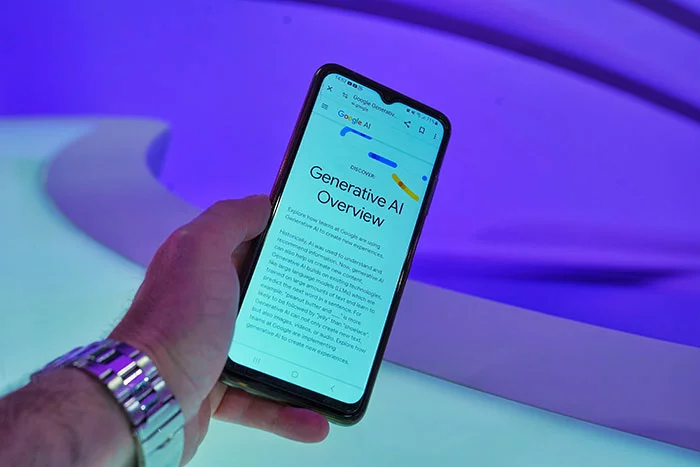
Google’s search results aren’t the same anymore. In 2025, the funnel bent, then snapped into a new shape. With AI overviews appearing in more than 12% of all Google searches (and up to 84% of informational searches), brands are no longer guaranteed that a user’s first interaction happens on their website.
That first touchpoint is now filtered, summarized, and interpreted by AI.
In this episode of Truelogic DX, Truelogic Managing Partner Bernard San Juan sits down with SEO Manager Timothy Uichico to break down what these shifts mean for brands of every size. Their conversation cuts straight into the real effects of AI-powered search—why some pages win, why others disappear, and how brands can stay visible when AI becomes the one telling your story.
What follows are the key ideas shaping AI SEO and how brands can start adapting now.
The Search Funnel Has Shifted, and AI Is Now the Gatekeeper
Why your brand is losing top-funnel visibility even if your SEO is strong
For years, SEO revolved around one objective: get users to your website. But AI overviews changed the rules. Users can now get answers without clicking through.
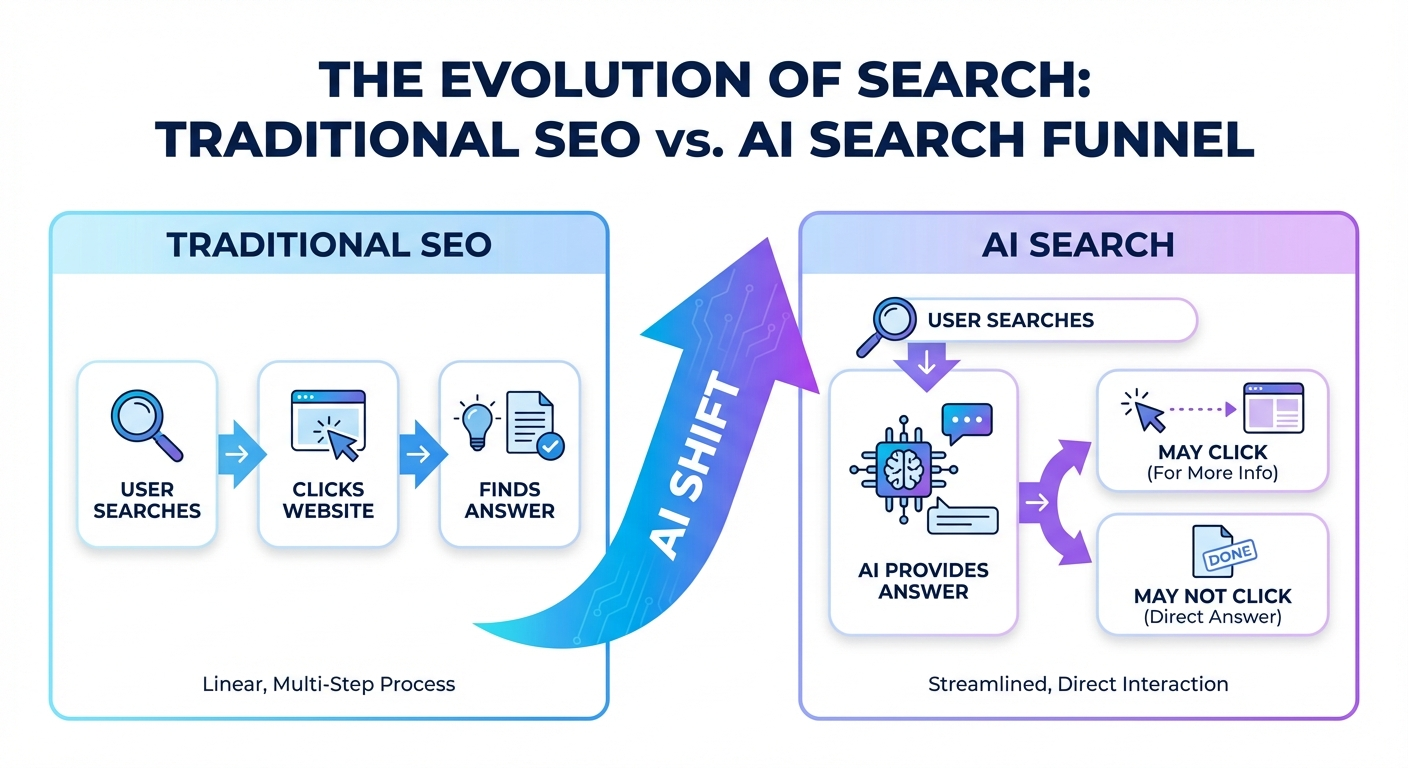
What’s more alarming:
The old SEO playbook (long-form content, keyword density, technical perfection) isn’t enough anymore. AI doesn’t reward volume, it rewards precision.
Why Technically Perfect Sites Still Lose in AI Search
The missing ingredient: content that’s scannable, structured, and actually helpful
Even the most flawless Core Web Vitals score won’t save you if your content doesn’t answer queries directly.
Timothy breaks down the issue:
Long paragraphs? No one is reading them—least of all AI.
It looks for:
The strongest pages aren’t the longest, they’re the easiest to extract.
This is why informational pages, comparison tables, FAQs, and structured guides dominate AI overviews.
Gen Z Queries Are Changing SEO Faster Than Google’s Updates
The new standard: conversational, context-rich, multi-step questions
Gen Z doesn’t ask “beach resort Palawan.”
They ask: “What beachfront resorts in Palawan have verandas and breakfast included?”
AI understands these layers. Many brand websites don’t.
If your page doesn’t speak directly to these nuanced, everyday questions, beyond features and benefits, you lose relevance.
This is where challenger brands can quietly outperform giants: They can publish hyper-specific, conversation-like, intent-focused content without needing an army of writers.
Why Some Brands Hit 16× Growth in AI Mentions
It’s not luck, it’s structure, authorship, and clarity. Bernard cites breakout performers from 2025: Unilab, Shopee, Lazada, TIP, UP Diliman, brands that multiplied their AI visibility in months.
What they share:
Answer-first content
Every section solves a question immediately.
Visible expertise
Authorship matters again. Pages written or reviewed by real practitioners (especially in Your Money or Your Life categories) outperform generic marketer-written content.
Multi-format pages
Pages with videos, PDFs, or infographics demonstrate effort—and Google rewards effort.
High brand search volume
People looking for you is still one of the strongest signals of authority.
Precision > comprehensiveness
AI doesn’t care that you wrote 2,000 words. It cares that your answers are cleanly identifiable in less than 200.
How Challenger Brands Can Stand Out Against Industry Giants
You don’t win by being broader—you win by being sharper. If you’re competing with a JobStreet-sized brand, you won’t beat them by copying their playbook.
Timothy’s advice:
Example:
- A recruitment startup may never outrank JobStreet for “IT jobs Philippines,”
but it can own “AI engineer career paths,” “remote developer hiring,” or “early-career tech roles.”
This is entity SEO in practice: Be the expert of a specific cluster of topics, not the entire industry.
Creating AI-Citable Content: What AI Actually Favors
The formula is simple: clarity + structure + authorship + schema. To be cited by AI, a page must prove two things:
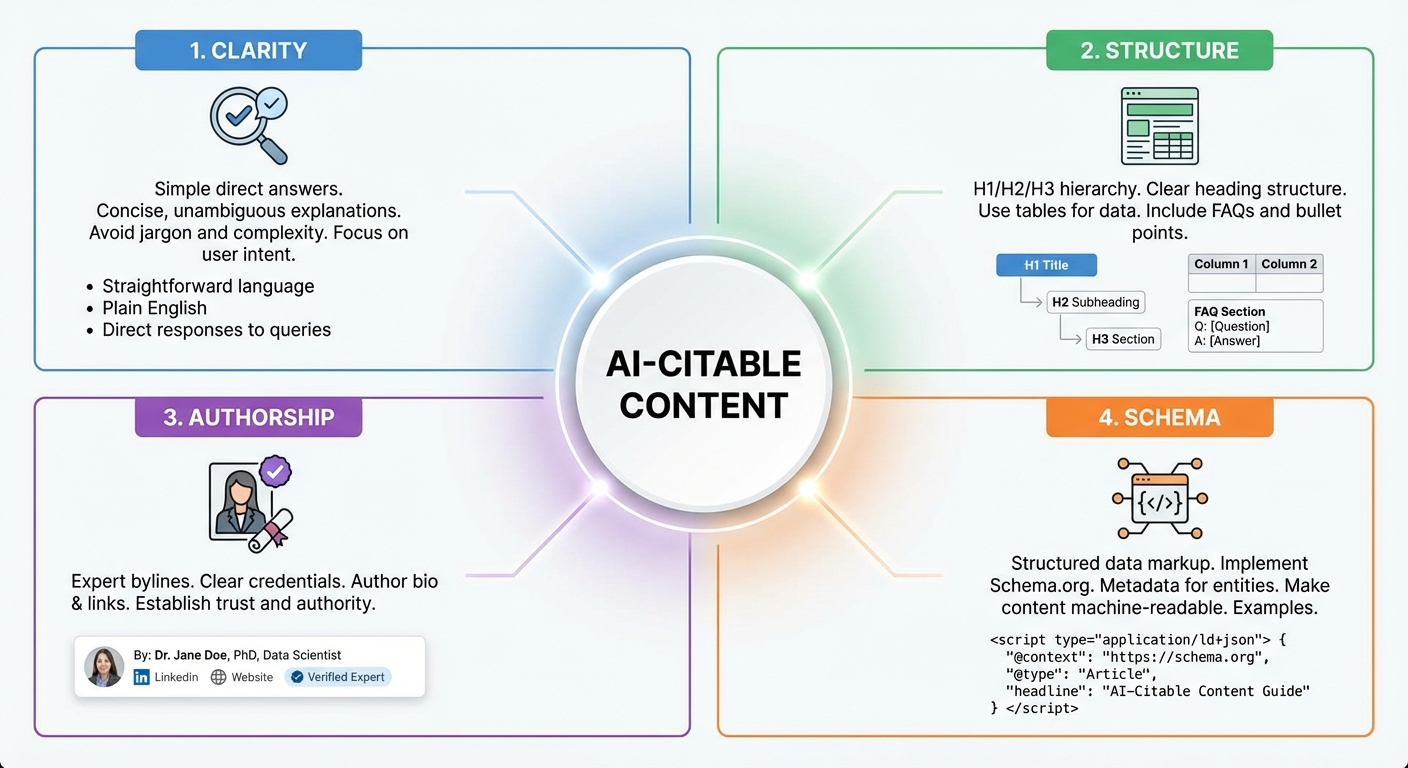
- It contains the best, clearest answer.
- Google can easily interpret and extract it.
Here’s what moves the needle:
Structured Content That “Reads Well” to Machines
Topical Authority Through Authorship and Brand Signals
Google evaluates:
Schema as the Spotlight
Schema isn’t optional anymore—it’s how you tell Google: “This is the part that matters.”
Schema for:
Bernard describes it perfectly: “Schema is the spotlight on your content.”
Entity SEO vs. Keyword SEO: How to Balance Both
You can’t abandon keywords—but you can’t stop at them either. Keywords still matter for traditional ranking.
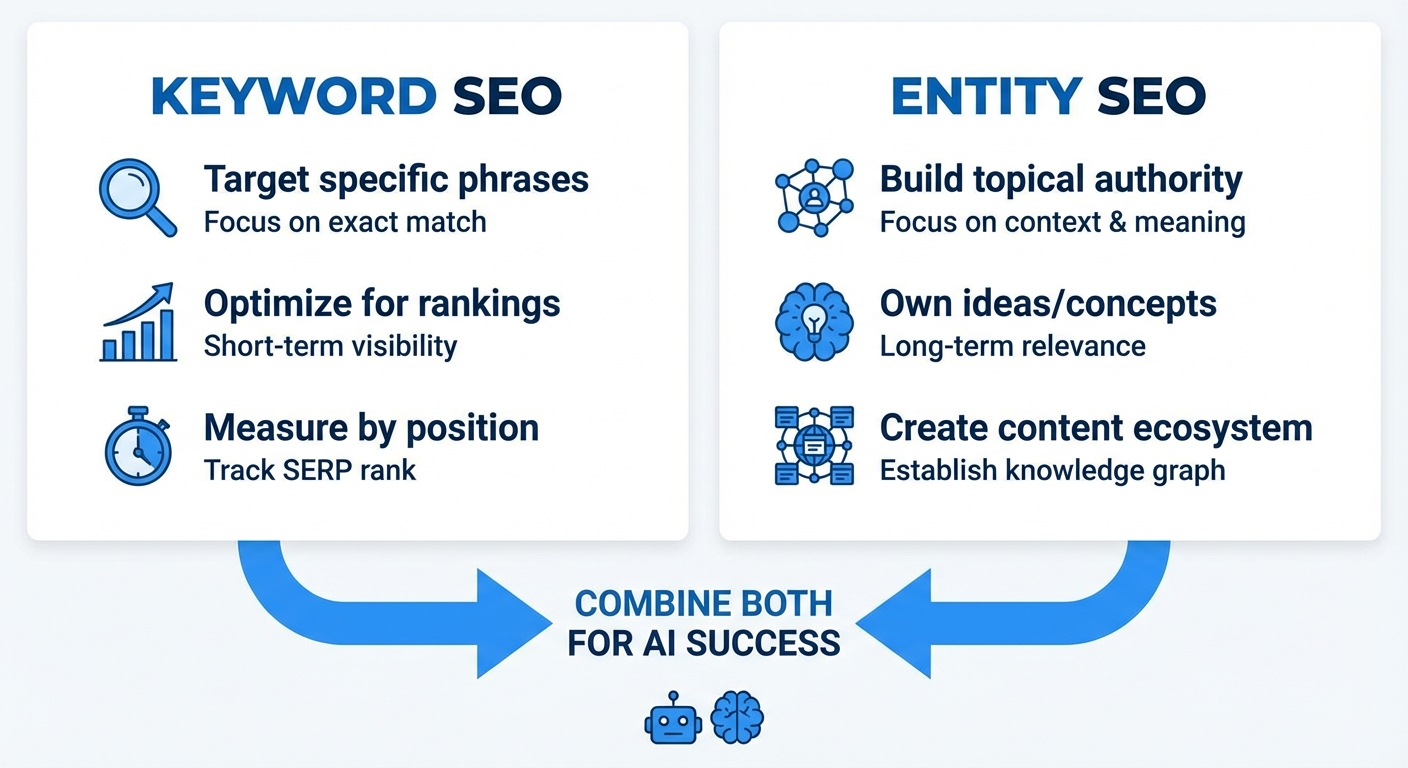
But for AI overviews, the game is:
Ideas + Entities + Expertise + Relevance
Think:
“What concepts do I want Google to associate with my brand?”
Then build your content ecosystem—blogs, podcasts, YouTube videos, social posts, PR features—around those ideas. This is why brands with rich ecosystems (Apple, Lazada, Shopee) dominate AI results: They aren’t just websites, they’re networks.
Stop Doing These Outdated SEO Habits
The fastest way to fail in AI search is to act like it’s still 2018
Drop these immediately:
AI doesn’t care about volume or length. It cares about clarity, accessibility, and effort.
What Brands Should Do Now (According to Bernard & Timothy)
If AI is here to stay, your content needs to be ready for it.
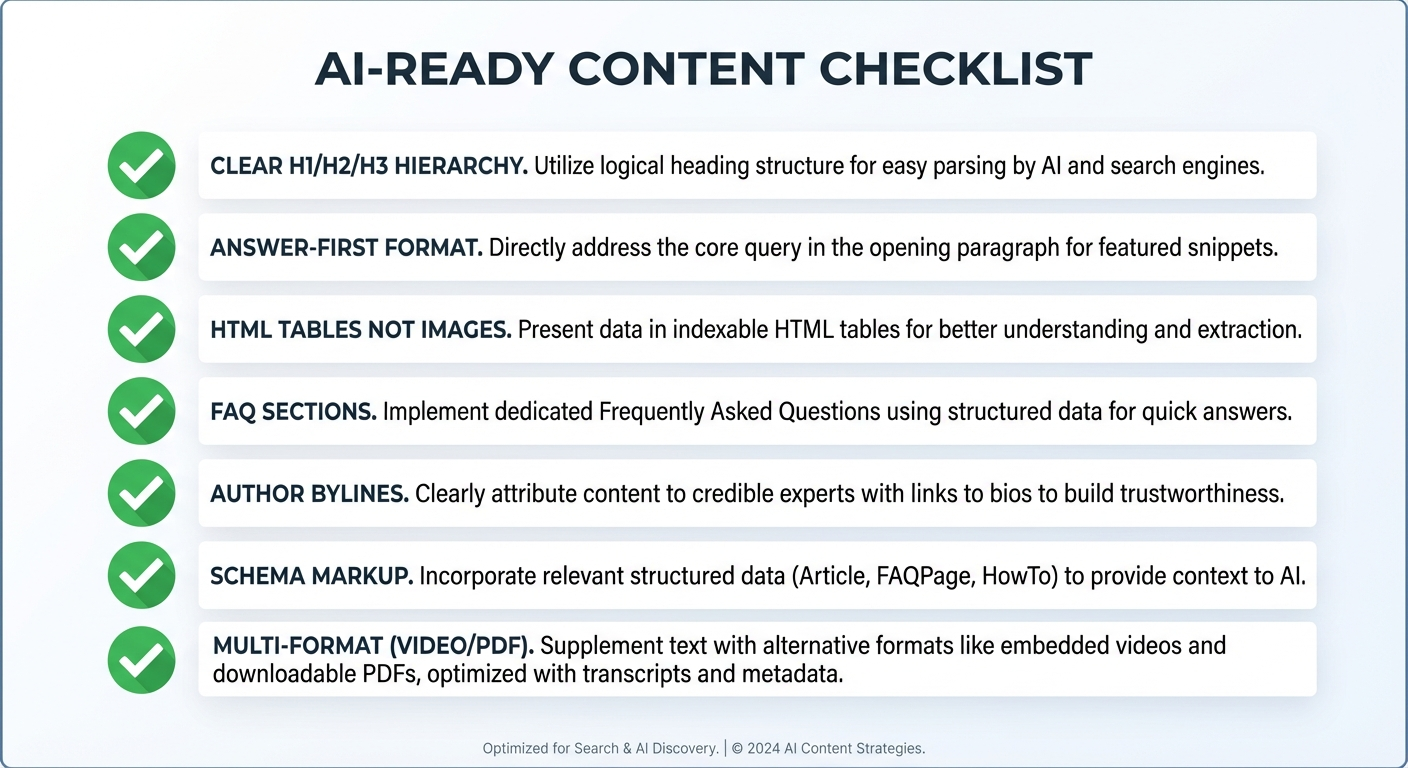
Identify the ideas and entities you want to own.
Keywords are the entry point, but ideas build authority.
Fix your content structure.
If AI can’t extract your answers, you won’t be cited.
Use Schema everywhere it makes sense.
Treat it as your highlight tool.
Build your content ecosystem, not just your website.
Owned, earned, and leased media must reinforce each other.
Don’t wait for competitors to dominate the conversation.
If you’re missing in the AI overview, users may never scroll down.
Final Thought
AI search is no longer a future threat—it’s today’s default experience. Brands who adapt now will win visibility beyond the SERP. Brands who wait will get filtered out before the user even sees them.
The goal isn’t just to rank. It’s to be citable, scannable, trusted, and everywhere your audience expects answers.
If you want refinements—shorter, more punchy, more narrative-driven, or styled more like a thought-leadership piece—I can reshape it.