Google’s May 2026 Core Update Launches Mid-I/O as AI Mode Data Shows 1 Billion Monthly Users
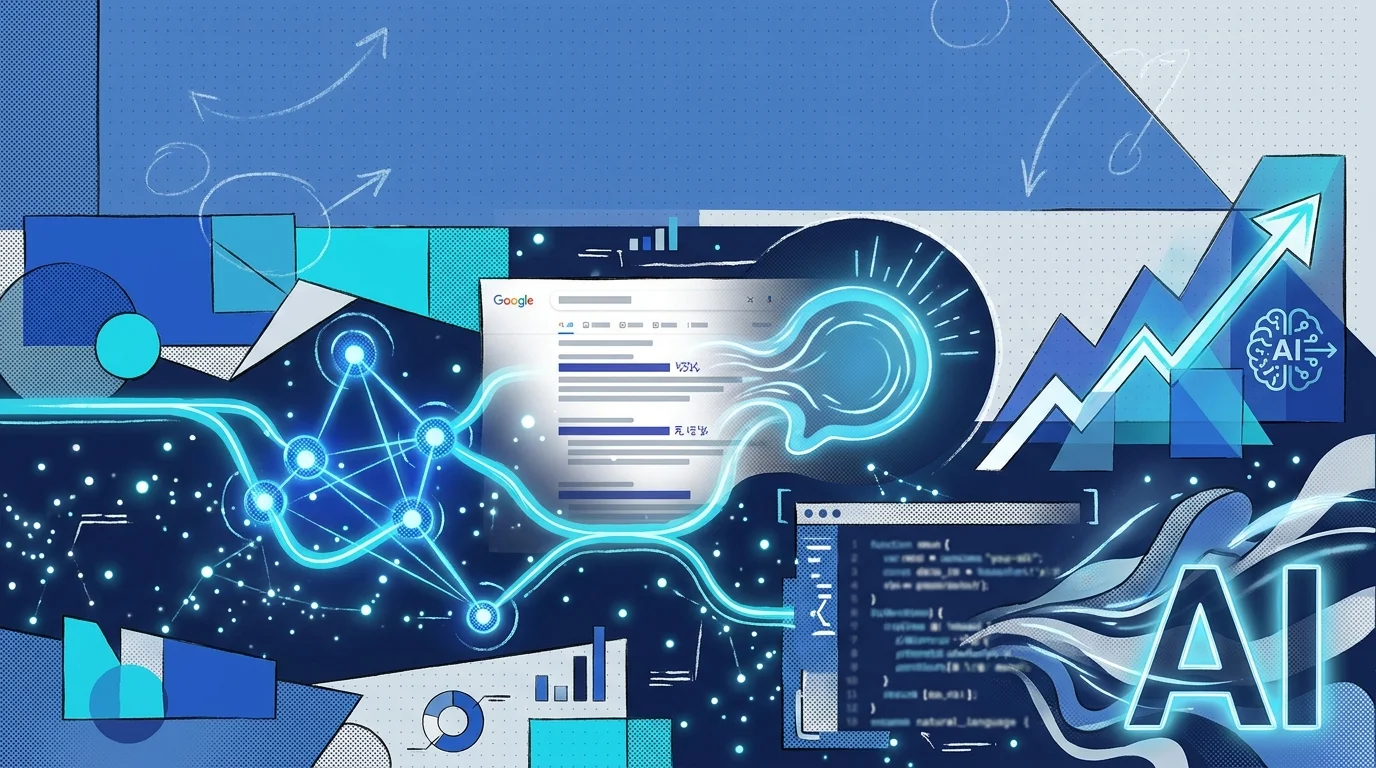
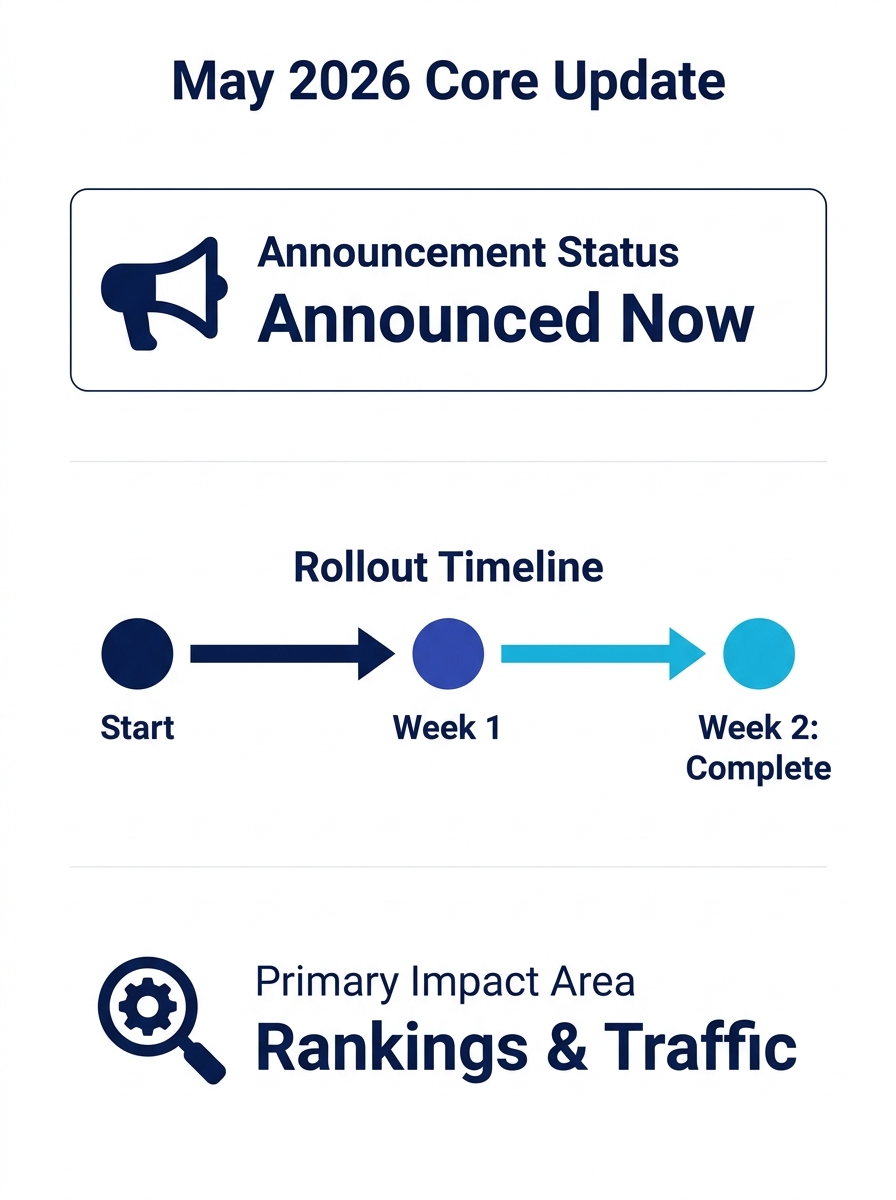
Google’s May 2026 Core Update began redistributing organic search rankings on May 21, 2026, launching during the company’s I/O conference week as simultaneous AI Mode upgrades and interface changes complicate attribution for the two-week ranking shift, according to Search Engine Journal.
TL;DR: Google initiated its second core update of 2026 on May 21 during I/O week, overlapping with AI Mode rollout powered by Gemini 3.5 Flash and a redesigned Search box that Google calls its biggest upgrade in 25 years.
The timing puts the core algorithm rollout in the middle of three simultaneous changes to Google Search infrastructure. Marketing leaders evaluating ranking movement over the next two weeks will need to separate core-update effects from AI Mode behavior and interface redesign impacts when briefing stakeholders or adjusting SEO strategy priorities.
The May 2026 Core Update marks the fourth confirmed ranking update this year and the second core algorithm refresh since March, based on the Google Search Status Dashboard announcement. Google has not published goals for the update or released a companion blog post explaining focus areas.
What the Core Update Timing Means for Ranking Attribution
The core update rollout overlaps with Google I/O announcements that change how queries enter the system and how results surface, creating attribution complexity for any ranking shifts observed during the May 21 through June 4 window. Marie Haynes, founder of Marie Haynes Consulting Inc., connected the timing to the Gemini 3.5 Flash model now powering AI features in Search. The overlap makes it difficult to isolate whether ranking changes stem from the core algorithm, from changes in how AI Mode surfaces content, or from the redesigned Search box that prompts longer conversational queries.
Baseline comparisons should use data from the two weeks before May 21, measured against performance after the rollout completes. Harpreet Singh Chatha, SEO and AI Search Consultant, suggested the update may target sites optimizing specifically for AI answer citations rather than traditional organic results.
Enterprise marketing teams overseeing managed PPC programs alongside organic initiatives should wait at least one full week after rollout completion before adjusting budget allocations based on observed traffic shifts.
AI Mode Usage Data Shows 3x Longer Queries and 40% Monthly Follow-Up Growth
Google released first-party usage data showing AI Mode passed 1 billion monthly users, with query volume doubling each quarter since the May 2025 launch. Searches in AI Mode run three times longer than traditional keyword queries, and follow-up questions increased 40% monthly in the United States, based on internal Google Search data and Google Trends analysis.
Over 16% of AI Mode searches use multimodal inputs combining voice, images, or video. Planning queries, which include product comparisons and service evaluations with commercial intent, grew at 80% the rate of overall AI Mode usage in the six months preceding I/O.
Jeffrey Cohen, chief business development officer at Skai, said users are no longer typing short keywords but instead asking full product briefs. “Shoppers aren’t typing ‘running shoes.’ They’re asking ‘what are the best running shoes for a wide foot that I can wear for a half marathon training on pavement under $150,'” Cohen stated in response to the Google data release.
The behavioral shift away from keyword-based queries toward conversational prompts changes content requirements for brands aiming to surface in AI Mode citations. Pages optimized for short-tail keywords may not match the conversational patterns AI Mode users exhibit, according to Cohen’s analysis.
Interface Redesign Expands Search Box with Multimodal Input and Agentic Monitoring
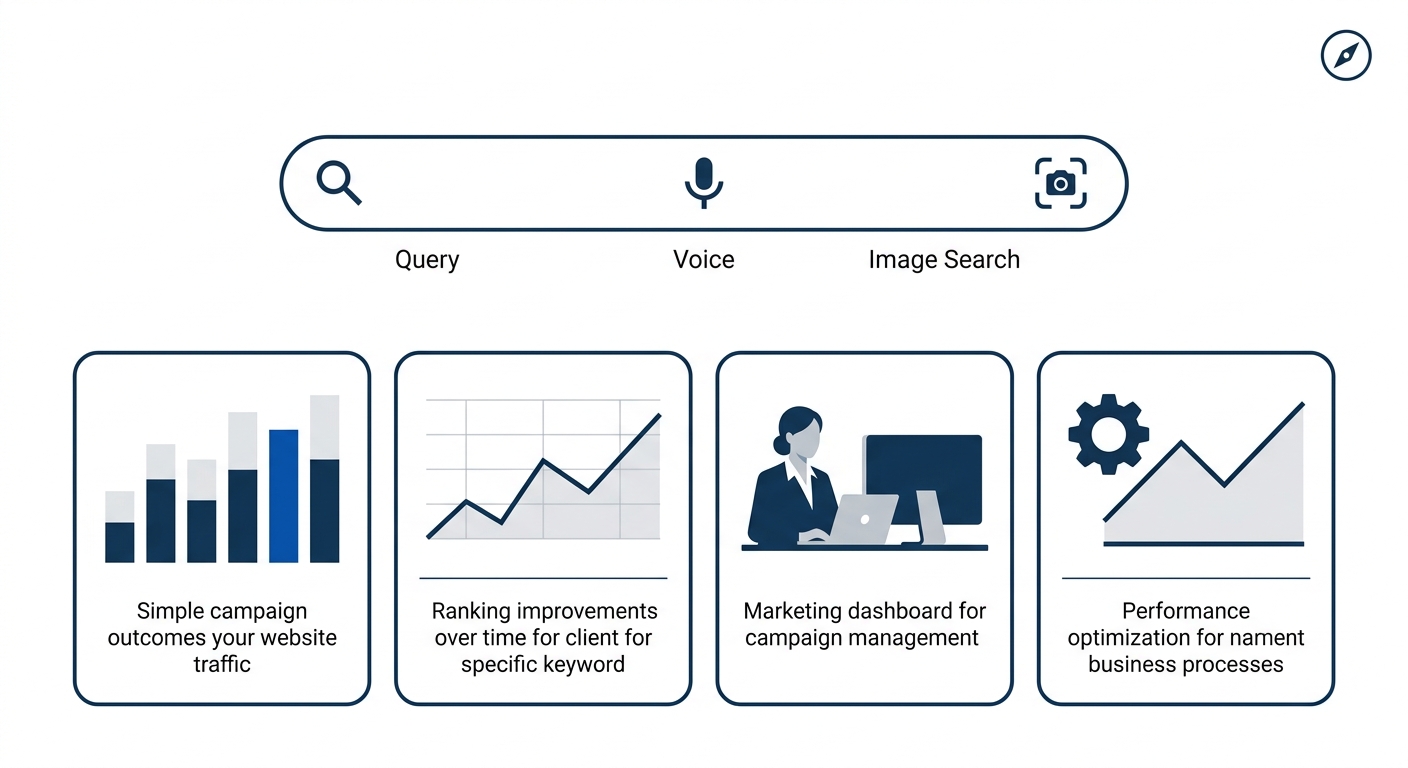
Google described the redesigned Search box as its biggest upgrade in over 25 years. The interface expands dynamically, supports file and image uploads alongside text, and provides AI-powered query suggestions beyond traditional autocomplete. Information agents will monitor the web and deliver synthesized updates starting this summer, based on Google’s I/O product announcements.
The expanded box prompts users to describe needs in longer sentences rather than keywords. Paired with Gemini 3.5 Flash powering AI Mode responses, most answers now come from AI synthesis rather than traditional blue-link pages.
Jake Ward, SEO and content entrepreneur building Mentions, noted that clickthrough rates have declined for two to three years. “Search is very much alive, just different. We’re moving further into a world of visibility over clicks,” Ward wrote in response to the I/O announcements.
Information agents that continuously search and synthesize updates raise questions about citation attribution. Marketing leaders briefing agencies on organic visibility targets will need to specify whether success metrics track traditional clickthrough rates, AI Mode citations tracked through third-party tools, or brand mentions inside agent-delivered summaries.
Alisa Scharf, Chief AI Officer at Seer, pointed to a measurement gap. Visibility metrics for AI Mode citations and agent-delivered summaries are not available in Google Search Console. Brands tracking performance will need third-party monitoring tools to measure how often content surfaces in AI-generated answers, Scharf noted.
Reading Between the Lines
The May 2026 Core Update lands during a week when Google shifted three foundational elements of Search simultaneously. Marketing leaders overseeing agency partners should expect two to three weeks of noisy data before clear attribution emerges. Briefing documents to stakeholders should frame ranking movement as inconclusive until the core update finishes rolling out and traffic patterns stabilize.
The behavioral data Google released carries more strategic weight than the milestone user counts. Three-times-longer queries and 40% monthly growth in follow-ups signal that users now treat Search as a research assistant rather than a directory lookup. Brands optimizing for short keywords without addressing longer conversational prompts risk losing visibility in the interface where query volume is doubling quarterly.
The measurement gap Scharf identified is the operational problem marketing leaders face when evaluating agency deliverables. Agencies can report traditional organic metrics through Search Console, but tracking AI Mode citations and agent-delivered mentions requires separate tooling and separate line items in the scope of work. Briefing conversations with SEO partners should clarify what gets measured and what platforms deliver that data before rolling contracts forward into the back half of 2026.