Social Media Advertising: Complete Guide for Philippine Brands

What Is Social Media Advertising?
Social media advertising refers to the practice of using paid placements on social media platforms to reach and engage target audiences. Unlike organic social media marketing, which relies on unpaid content distribution, social media advertising allows brands to precisely target specific demographics, interests, and behaviors through paid campaigns.
For Philippine brands looking to expand their digital presence, social media advertising has become an essential component of the marketing mix. With over 84 million social media users in the Philippines—representing one of the highest social media penetration rates globally—the opportunity to connect with potential customers through platforms like Facebook, Instagram, TikTok, and LinkedIn has never been greater.
The beauty of social media advertising lies in its versatility. Whether you’re a small local business aiming to drive foot traffic to your store or a national brand seeking to build awareness across the archipelago, social media platforms offer advertising solutions tailored to virtually any marketing objective.
Why Social Media Advertising Matters for Philippine Brands
The Philippines presents a unique digital landscape that makes social media advertising particularly effective. Filipinos spend an average of nearly four hours daily on social media—among the highest in the world. This creates unprecedented opportunities for brands to capture attention and drive meaningful engagement.
Massive Reach and Engagement
Facebook alone reaches over 75 million Filipinos, making it the dominant platform for social media advertising in the country. Instagram follows with a rapidly growing user base, particularly among younger demographics. TikTok has exploded in popularity, offering brands new ways to connect with Gen Z and millennial audiences through short-form video content.
Cost-Effective Marketing
Compared to traditional advertising channels like television or print, social media advertising offers significantly lower barriers to entry. Philippine brands can launch campaigns with budgets as modest as ₱500 per day while still achieving meaningful results. This democratization of advertising has enabled small and medium enterprises to compete with larger corporations for consumer attention.
Precise Targeting Capabilities
Social media platforms have access to vast amounts of user data, enabling advertisers to target audiences with remarkable precision. You can reach users based on location (down to specific cities or barangays), age, gender, interests, behaviors, job titles, and even life events. This targeting precision means your advertising budget is spent reaching people most likely to become customers.

Major Social Media Advertising Platforms in the Philippines
Understanding the strengths and characteristics of each platform helps brands allocate their advertising budgets effectively. Here’s a breakdown of the major platforms used for Facebook ads and social media advertising in the Philippines.
Facebook and Instagram (Meta Platforms)
Facebook remains the undisputed leader for social media advertising in the Philippines. The platform offers diverse ad formats including image ads, video ads, carousel ads, collection ads, and lead generation ads. Its sophisticated targeting options and massive reach make it suitable for virtually any marketing objective.
Instagram, owned by Meta, excels at visual storytelling and is particularly effective for brands in fashion, food, travel, and lifestyle categories. Instagram Stories and Reels ads offer immersive, full-screen experiences that capture attention in ways static images cannot.
When considering Facebook ads cost, Philippine advertisers typically see cost-per-click (CPC) rates ranging from ₱2 to ₱15, depending on industry competitiveness and targeting specificity.
TikTok
TikTok has transformed from a platform for dancing teenagers to a serious advertising channel for brands across categories. Its algorithm-driven content discovery means even brands without large followings can achieve viral reach. TikTok ads come in several formats, including In-Feed ads, TopView ads, Branded Hashtag Challenges, and Branded Effects.
For B2B brands and professional services, LinkedIn offers unparalleled access to decision-makers and professionals. While advertising costs on LinkedIn tend to be higher than other platforms, the ability to target by job title, company size, industry, and seniority makes it invaluable for reaching business audiences.
YouTube
As the second-largest search engine globally, YouTube offers powerful advertising opportunities through skippable and non-skippable video ads, bumper ads, and display ads. Filipinos consume enormous amounts of video content, making YouTube an essential platform for brand awareness campaigns.
Types of Social Media Ads
Social media advertising encompasses numerous ad formats, each suited to different objectives and creative approaches.
Image Ads
The simplest and most common format, image ads feature a single static image with accompanying text and a call-to-action. They work well for brand awareness, traffic driving, and product promotion.
Video Ads
Video content generates higher engagement rates than static images. Platforms like Facebook, Instagram, TikTok, and YouTube all support various video ad lengths and formats. Short-form videos (15-60 seconds) typically perform best for social media advertising.
Carousel Ads
Carousel ads allow advertisers to showcase multiple images or videos within a single ad unit. Users can swipe through the cards, making this format ideal for showcasing product collections, telling sequential stories, or highlighting multiple features.
Stories Ads
Full-screen vertical ads that appear between user stories on Facebook, Instagram, and other platforms. Their immersive nature makes them effective for capturing attention, though their ephemeral placement means they require compelling creative to stop the scroll.
Lead Generation Ads
These ads include built-in forms that users can complete without leaving the platform. They’re particularly effective for collecting email addresses, appointment bookings, or quote requests.
Creating Effective Social Media Advertising Campaigns
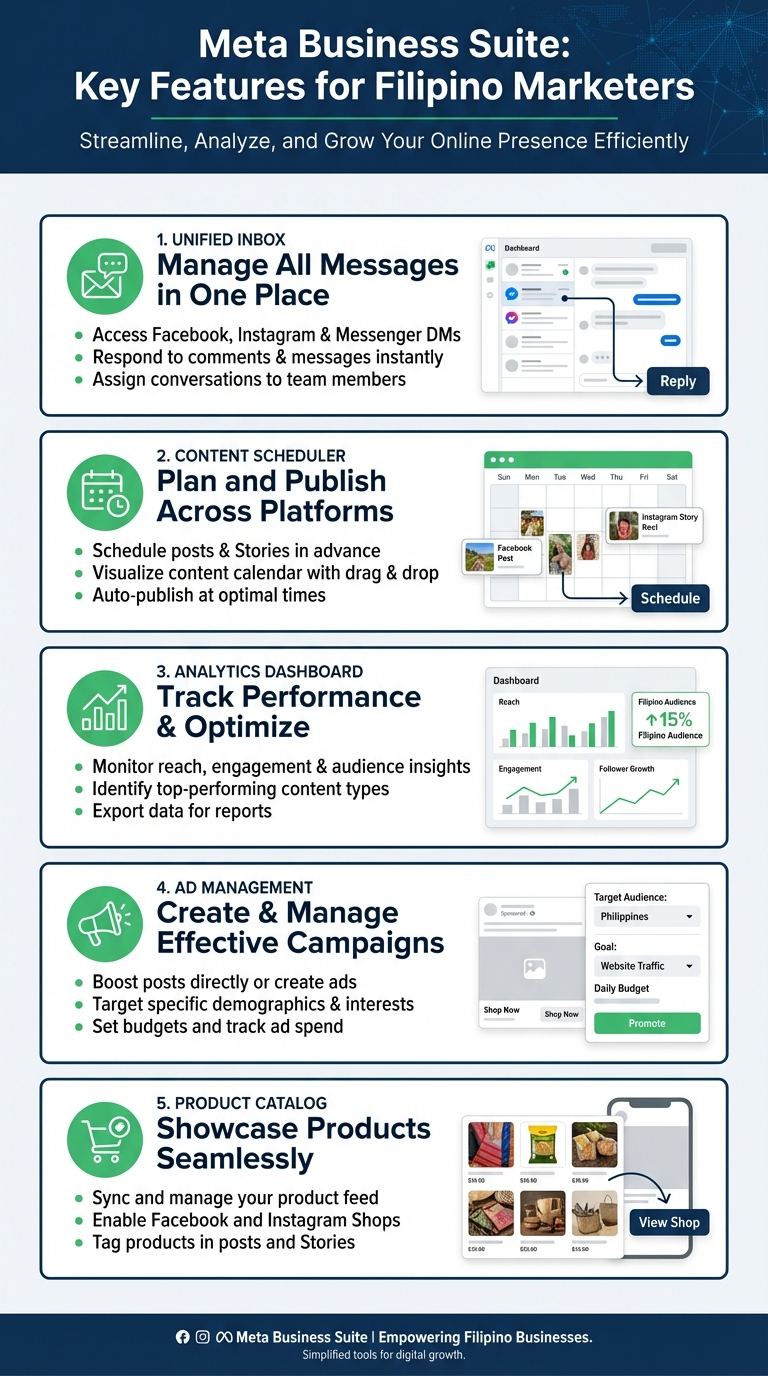
Success in social media advertising requires strategic planning, compelling creative, and ongoing optimization. Here’s a framework for developing campaigns that deliver results.
Define Clear Objectives
Before launching any campaign, establish what you want to achieve. Common objectives include:
- Brand Awareness: Increasing familiarity with your brand among target audiences
- Traffic: Driving visitors to your website or landing pages
- Engagement: Generating likes, comments, shares, and other interactions
- Lead Generation: Collecting contact information from potential customers
- Conversions: Driving specific actions like purchases or sign-ups
- App Installs: Encouraging downloads of your mobile application
Know Your Audience
Effective targeting begins with deep audience understanding. Develop detailed buyer personas that include demographic information, interests, pain points, and online behaviors. Use platform insights and analytics tools to refine your understanding of who engages with your brand.
Craft Compelling Creative
In the crowded social media environment, creative quality determines whether users pause to engage or scroll past. Effective social media ad creative typically features:
- Eye-catching visuals that stand out in feeds
- Clear, benefit-focused messaging
- Strong calls-to-action
- Mobile-optimized formats (most social media consumption happens on smartphones)
- Authentic, relatable content that resonates with local audiences
Test and Optimize
Social media advertising success rarely comes from a single campaign. Implement A/B testing to compare different audiences, creative variations, and messaging approaches. Monitor performance metrics closely and reallocate budget toward what works best.
Budgeting for Social Media Advertising
Understanding how much social media marketing costs helps Philippine brands plan their investments effectively.
Cost Factors
Several factors influence social media advertising costs:
- Platform: Different platforms have varying cost structures
- Objective: Brand awareness campaigns typically cost less per impression than conversion-focused campaigns
- Targeting: Narrower, more competitive audiences cost more to reach
- Industry: Some industries face higher competition and costs
- Ad Quality: Platforms reward relevant, engaging ads with lower costs
- Timing: Costs fluctuate based on seasonal demand
Budget Recommendations
For Philippine brands starting with social media advertising, we recommend:
- Small businesses: ₱15,000-₱30,000 per month to test and learn
- Medium businesses: ₱50,000-₱150,000 per month for consistent presence
- Enterprise brands: ₱200,000+ per month for comprehensive campaigns
These figures represent media spend only and don’t include costs for creative development, management, or strategic planning.
Measuring Social Media Advertising Success
Tracking the right metrics ensures you understand campaign performance and can optimize for better results.
Key Performance Indicators (KPIs)
- Reach: The number of unique users who saw your ads
- Impressions: Total number of times your ads were displayed
- Click-Through Rate (CTR): Percentage of impressions that resulted in clicks
- Cost Per Click (CPC): Average cost for each ad click
- Cost Per Mille (CPM): Cost per thousand impressions
- Conversion Rate: Percentage of clicks that resulted in desired actions
- Return on Ad Spend (ROAS): Revenue generated per peso spent on advertising
Attribution and Tracking
Implementing proper tracking through tools like Meta Pixel, TikTok Pixel, and Google Analytics ensures you can attribute conversions to specific campaigns and optimize accordingly. Work with your social media marketing partner to establish comprehensive tracking before launching campaigns.
Common Social Media Advertising Mistakes to Avoid
Learn from the mistakes others have made to improve your campaign effectiveness:
- Targeting too broadly: Reaching everyone often means connecting with no one effectively
- Neglecting mobile optimization: Most users access social media via smartphones
- Ignoring ad creative quality: Poor creative undermines even the best targeting
- Setting and forgetting: Campaigns require ongoing monitoring and optimization
- Focusing only on vanity metrics: Likes and shares matter less than business outcomes
- Inconsistent branding: Maintain visual and messaging consistency across campaigns
Getting Started with Social Media Advertising
For Philippine brands ready to leverage social media advertising, the path forward involves:
- Auditing your current social media presence and past advertising efforts
- Defining clear, measurable objectives aligned with business goals
- Selecting platforms that align with your target audience
- Developing compelling creative assets
- Implementing tracking and measurement infrastructure
- Launching, testing, and optimizing campaigns
- Scaling what works while continually testing new approaches
Whether you manage campaigns in-house or partner with a digital marketing agency, social media advertising offers Philippine brands powerful tools to reach and engage their target customers. The key is approaching it strategically, measuring results rigorously, and continuously optimizing based on performance data.
Social media advertising isn’t just about spending money on ads—it’s about making strategic investments that drive measurable business results. With the right approach, Philippine brands of any size can harness the power of social media advertising to achieve their marketing objectives.