Marketing Executives Map Brand Discovery Shift as AI Agents Mediate Consumer Decisions
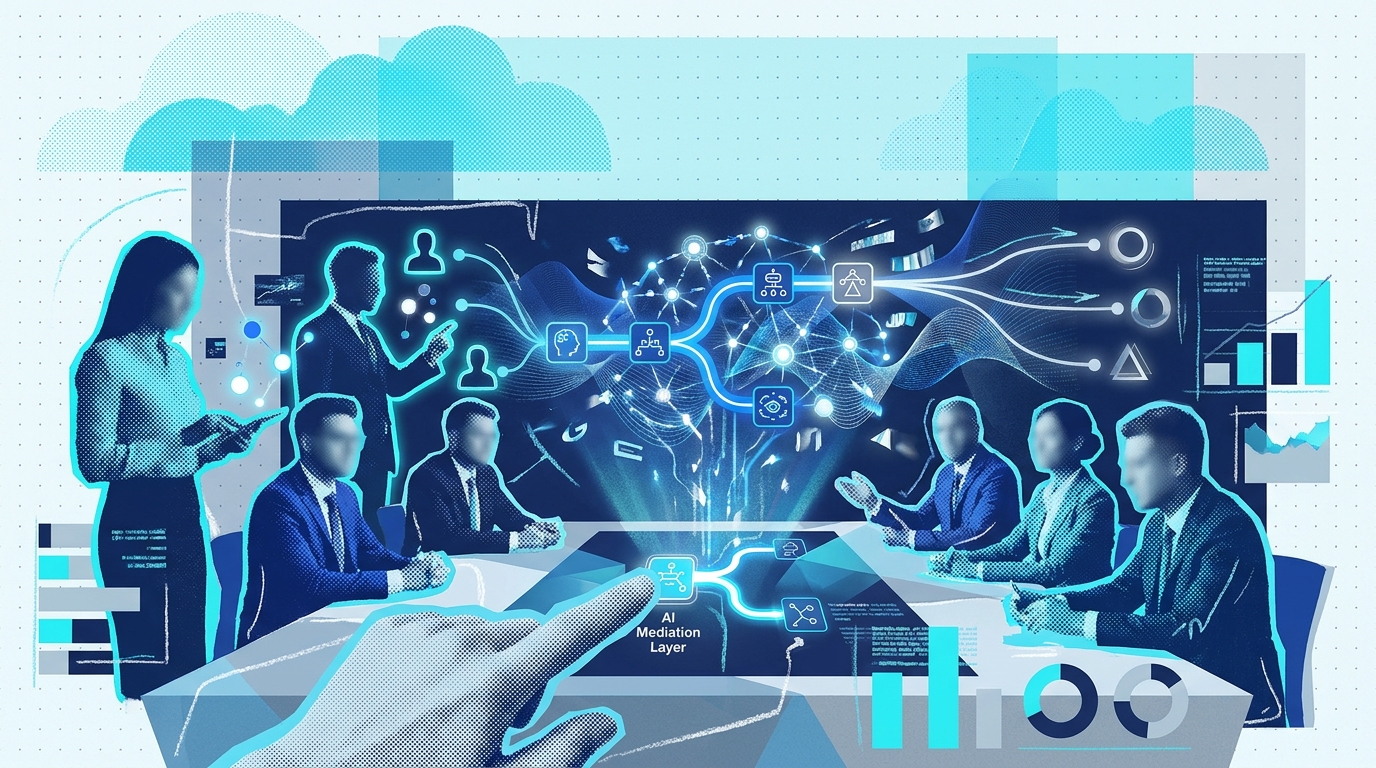
Marketing executives from Marriott, Pinterest, GoodRx, and EA Experiences addressed how AI-powered chatbots and generative platforms are disrupting traditional brand discovery channels during a June 29 panel discussion at ADWEEK House Cannes Lions, according to Adweek. The session, co-hosted with Moloco, centered on strategies to maintain brand visibility as consumers increasingly rely on AI agents for purchase recommendations rather than traditional search results.
TL;DR: Industry leaders confirm AI chatbots now sit between brands and consumers, requiring marketing teams to shift from search engine optimization to generative engine optimization while strengthening direct customer relationships and cultural relevance.
Research Finding on Customer Relationships
Paul D’Arcy, chief marketing officer at Moloco, cited research conducted by Boston Consulting Group and Moloco showing that longer-term, stickier customer relationships provide the strongest protection against AI-driven disruption of the customer journey. D’Arcy said the research points to owned digital surfaces—brand apps and direct experiences—as critical assets when AI systems mediate consumer decisions.
Jane Hendrick, managing vice president of global integrated marketing at Marriott International, framed the strategic question facing brands: “How do you make sure you’re part of the consideration set before someone even goes into the platform?” Marriott Bonvoy addresses this by leaning into cultural moments to ensure the brand surfaces naturally in consumer conversations before AI agents filter options.
Cultural Relevance as GEO Strategy
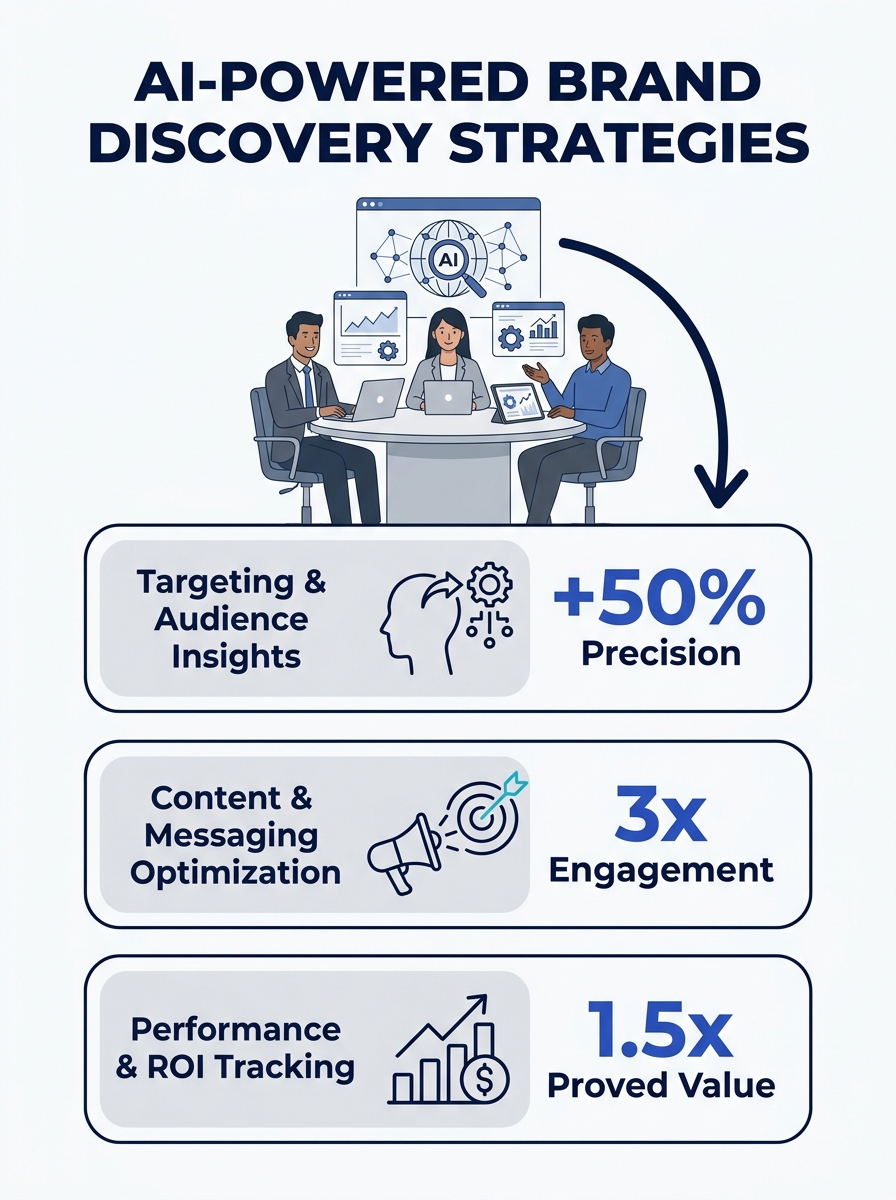
Julie Build, senior vice president and managing director at EA Experiences, explained that cultural presence directly influences generative engine optimization outcomes. “What’s fascinating to me is, if we’re building beyond SEO into a GEO-type space, a lot of the things that it’s pulling from to figure out authority actually ends up being whether or not you’re part of culture,” Build said during the panel. She noted that generative systems pull authority signals from Reddit conversations and other community platforms, making top-of-mind cultural relevance a technical ranking factor rather than solely a brand-building exercise.
The shift from SEO to GEO represents a fundamental change in how brands earn visibility. Marketing leaders evaluating agency partners on search strategy now need to brief work that spans cultural listening, community engagement, and technical optimization for AI retrieval systems—disciplines that previously lived in separate service lines.
Bot Recommendations Replace Traditional Discovery
Kyle Monson, founding partner at Codeword, described chatbots as “a brand ambassador sitting between yourself and the customer.” He added that “word of mouth is powerful. Word of bot is going to become very powerful.” The observation highlights a structural shift: brands no longer control the final presentation layer when consumers ask AI agents for recommendations.
Stacy Malone, vice president of global business marketing at Pinterest, reported that only about half of the platform’s billions of monthly searches carry commercial intent. “Many times, they’re not looking for the answer, which is what a lot of the AI platforms are giving people. They want to explore, discover, which is a great place for a brand to be,” Malone said. The gap between answer-focused AI queries and exploration-mode discovery creates distinct channel strategies for brands that can differentiate which consumer intent their owned surfaces serve versus what they optimize for in AI-mediated environments.
Richard Case, vice president of growth marketing at GoodRx, noted that while brand discovery acquisition grows more challenging, winning customers during the first interaction becomes more valuable. “I still think that in-person or user product experience just becomes that much more tangible and creates a certain feeling to make you want to go back,” Case said.
Dan Gardner, co-founder and executive chairman of Code and Theory, predicted AI disruption will affect every industry rather than concentrating in media companies as previous platform shifts have. Monson warned that brands not investing in top-of-funnel and middle-of-funnel marketing risk being “stuck with whatever the preference of the chatbots is going to be.”
APAC. Implications
Philippine enterprises managing brand work through agency partners face a timeline compression. The cultural-relevance-as-technical-signal shift that Build described means regional marketing directors can no longer treat social listening and community engagement as separate from SEO deliverables. Briefs for Q3 brand campaigns should explicitly require the agency to map how cultural moments translate to GEO authority signals in ChatGPT, Perplexity, and Google’s AI Mode.
For APAC brands with local and regional portfolios—banking groups operating across Southeast Asia, retail chains with country-specific social presences—the “word of bot” dynamic creates a new risk layer. An AI agent trained predominantly on English-language Reddit threads may not surface Tagalog community sentiment or local shopping forums when a Manila consumer asks for recommendations. Marketing leaders overseeing multi-market work need to verify which local-language sources the agency is optimizing for in GEO audits, particularly when consumer decision-making shifts to voice-based AI assistants that default to English training data.
The owned-surface strategy D’Arcy emphasized matters more in markets where third-party platform penetration varies widely. A Philippine insurance brand can’t rely on Pinterest discovery the way a U.S. retail client might; the consumer journey to direct app relationships shortcuts differently. When evaluating agency proposals for H2 brand discovery campaigns, ask which owned digital experiences the strategy drives to—and how the agency measures whether those relationships actually insulate the brand from AI intermediation risk.