AI Reduces Performance Marketing Infrastructure Costs as Real-Time Campaign Systems Replace Sequential Workflows
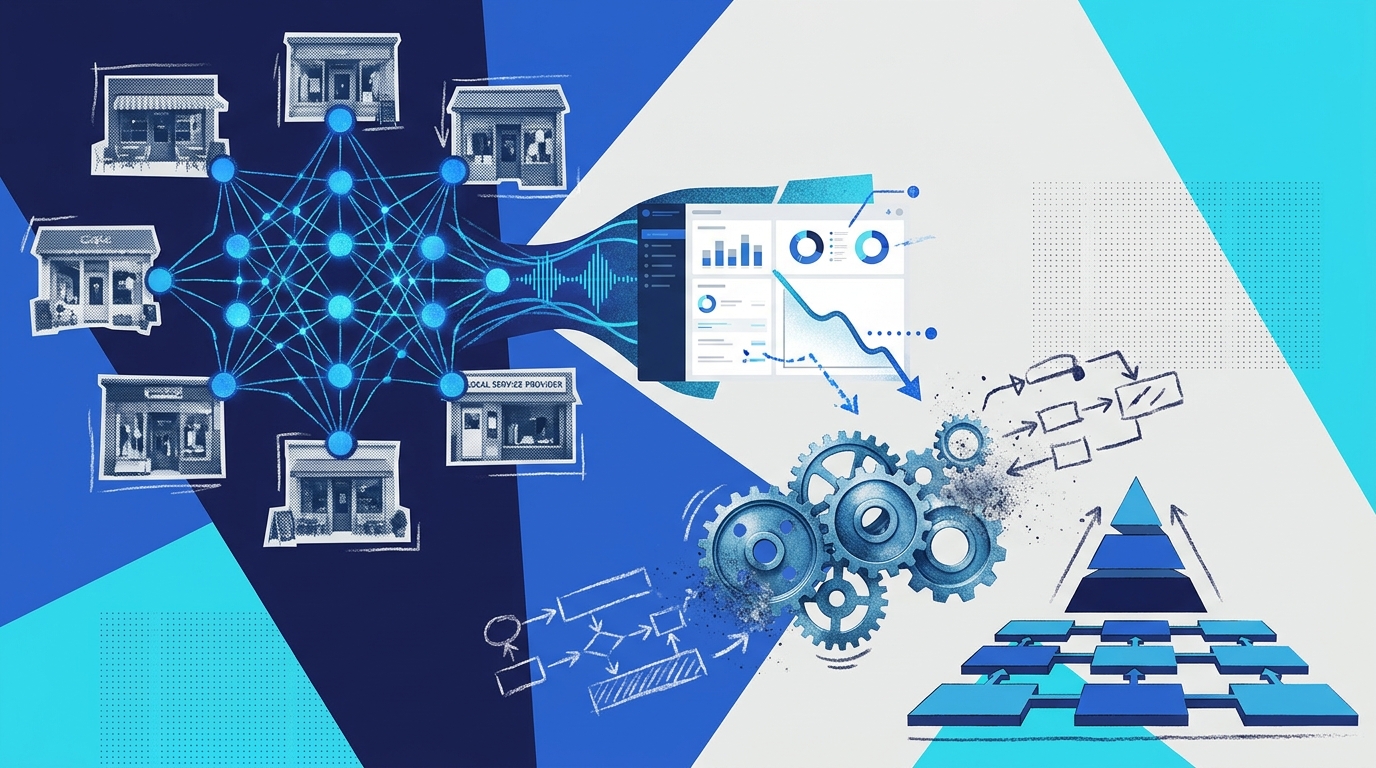
Artificial intelligence systems now handle campaign strategy, creative testing, and data interpretation tasks that previously required dedicated specialist teams, lowering the operational barrier for businesses competing in paid digital channels, according to analysis published by Adgully on August 21. The shift replaces sequential workflows—where creative teams, media buyers, and analysts operated in separate cycles—with continuous feedback loops that process performance signals and adjust targeting within hours rather than weeks.
TL;DR: AI-native performance marketing systems compress the time between identifying a campaign signal and executing a strategic response, allowing lean teams to manage multi-platform programs without the headcount enterprises historically deployed.
Campaign Latency Drops From Weeks to Hours
Traditional performance marketing depended on batch-and-report cycles that introduced structural delays between media deployment and strategic adjustment. Creative teams produced assets weeks before launch, media teams executed campaigns across platforms, and analysts compiled reports days after spend occurred. By the time performance data informed creative iteration, audience attention and competitive conditions had shifted.
“The objective of an AI-native approach is not to replace strategic human oversight, but to eliminate the operational latency between identifying a performance signal and executing a strategic decision,” wrote Amit Verma, founder of NYX, in the August 21 analysis.
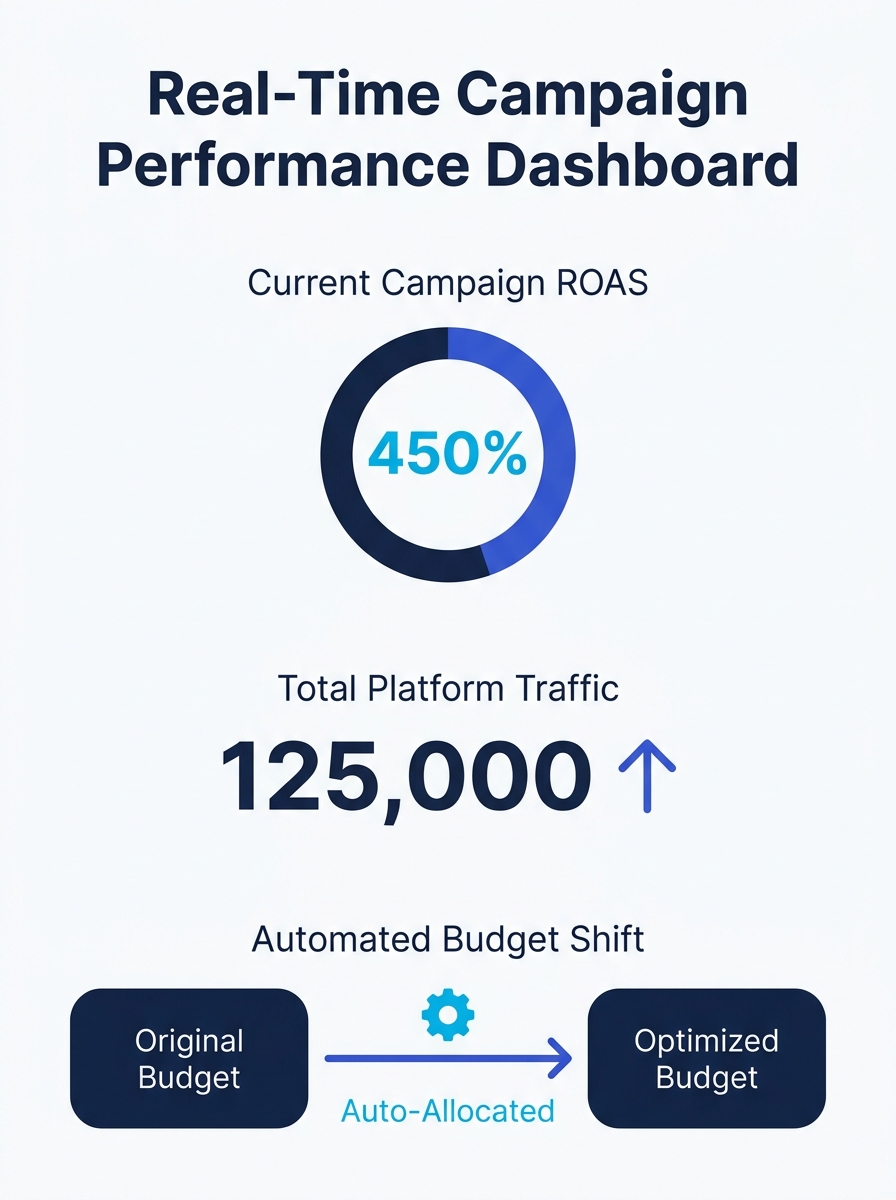
AI-driven systems now test hypotheses across audience cohorts simultaneously, feed conversion data directly into targeting algorithms, and reallocate budget based on live signals. Gartner research cited in the report noted that reducing feedback loops from three weeks to three hours creates measurable competitive advantage independent of total media spend. This compression matters most for marketing leaders evaluating whether an enterprise digital marketing partner can deliver agility at scale without proportional increases in operational overhead.
Creative Production Shifts From Periodic Output to Continuous Variable Testing
Enterprise brands historically managed creative fatigue—the decay of ad engagement over time—by producing extensive libraries of localized assets and high-production video each month. Organizations operating within tighter resource constraints relied on limited static assets, leading to efficiency decay and rising customer acquisition costs.
AI converts creative production from a scheduled deliverable into an ongoing optimization process. Messaging now adapts dynamically across audience cohorts, regional context, and platform format without manual redesign for each permutation. Harvard Business Review research referenced in the report described creative iteration as “an ongoing, live learning process” rather than a pre-campaign step.
The operational implication for marketing leaders: briefing Google Ads management or media buying services now requires supplying strategic constraints and performance targets rather than approving fixed creative assets weeks in advance. Agencies operating AI-native workflows can identify which specific message angle resonated with which segment and allocate spend accordingly within the same campaign cycle.
Three Adoption Stages Define Organizational Readiness
Marketing organizations typically implement AI capabilities in three stages, according to the framework outlined in the August 21 report. The first stage, AI-Assisted, deploys tools to accelerate discrete tasks—ad copy generation, image creation—without altering overall workflow structure.
The second stage, AI-Optimised, introduces recommendation systems that surface data-driven suggestions for what to change, improve, or expand. Decision authority remains with human operators.
The third stage, AI-Native Execution, shifts operational responsibility to algorithmic systems that test, measure, and adjust campaigns autonomously within boundaries set by marketing leadership. This model transforms the marketing leader’s role from campaign execution oversight to strategic constraint-setting. Teams define goals and guardrails; automated systems handle variant testing and real-time optimization.
This progression mirrors the automation deployment pattern documented in Meta and Google’s campaign automation rollout, where platform-level AI now manages bid optimization and creative asset generation, requiring marketing teams to supply higher-quality conversion data and strategic inputs rather than manual configuration.
The implications differ by organizational maturity. B2B digital marketing services and ecommerce digital marketing programs that have already standardized conversion tracking and audience taxonomy can advance to AI-Native Execution faster than organizations still consolidating data infrastructure. Marketing leaders evaluating agency partners should assess which adoption stage the partner operates at and whether that matches the organization’s current data readiness.
What Happens Next
Marketing leaders briefing agency partners for 2027 planning cycles should expect proposals that center continuous testing architecture rather than fixed campaign calendars. The shift from batch-and-report workflows to real-time feedback systems changes how performance marketing programs are staffed, how creative briefs are structured, and how success metrics are defined.
Organizations that have not yet consolidated conversion tracking across platforms will face a capability gap. AI-native systems require clean, standardized performance data to function—marketing teams still operating fragmented analytics setups cannot access the agility advantages outlined in the August 21 analysis regardless of platform capability. The urgency is structural: competitors operating real-time feedback loops will out-execute brands still waiting for weekly reports, independent of total budget size.
The competitive dynamic no longer follows a simple budget-versus-budget model. A lean team with AI-native workflows and clean data infrastructure can now sustain testing velocity that previously required dedicated specialist headcount. For enterprise marketing leaders, this means evaluating agency partners not only on platform certifications and client roster but on whether their operating model compresses decision latency to hours rather than days—a capability that has become the primary determinant of sustainable acquisition cost efficiency.