Facebook as a Marketing Strategy: Everything You Need to Know

Facebook is where more than 3.07 billion people spend their time every month, and for brands in the Philippines, it remains the most direct, data-rich channel available for reaching the people most likely to buy.
Truelogic Takeaways
- Facebook’s scale is unmatched, but scale alone doesn’t drive results—the right Facebook marketing strategy, precise targeting, and consistent content execution do.
- A Facebook Business Page is the foundation; organic reach alone has limits, and paid ads and retargeting are what close the gap between visibility and conversion.
- Audience targeting is Facebook’s most powerful advantage. The more precisely you define who you’re speaking to, the more efficiently your budget performs.
- The buyer’s journey should inform every campaign objective, from awareness through consideration to conversion.
- Filipino audiences are among the most active social media users in the world. For local brands, Facebook isn’t just a channel; it’s where the market lives.
- Analytics aren’t a post-campaign review tool; they’re an active input that should shape content, targeting, and spend decisions in real time.
Facebook marketing applies traditional and digital marketing principles through the world’s most popular social media platform to help businesses find, engage, and retain customers at scale. Using Facebook for Business, entrepreneurs, marketers, and business owners can leverage Facebook as a marketing channel through:
- Finding new customers, building lasting relationships with them, and making connections that matter in an ocean of people — more than 3 billion active users each month to be exact.
- Learning how to find an audience for their business or industry and accomplishing their goals.
- Telling their story through a range of devices and discovering the perfect solution for their advertising needs with a wide array of tools that offer creative and data-driven flexibility.
Ultimately, as a form of digital marketing for eCommerce businesses and brands seeking to penetrate the online arena, utilizing social media platforms such as Facebook can potentially help your brand find success online.
So, how does Facebook Marketing work?
As outlined above, given its roots in traditional marketing and digital strategies, there can be a multitude of ways to approach Facebook marketing.
For instance, a traditional marketer for a real estate company might be more inclined to utilize their Facebook Business Page as a broker would, using the page as a portfolio showcasing their properties or a customer service hotline to manage inquiries and schedule appointments. In principle, their Facebook Page becomes an auxiliary tool.
A digital marketer, meanwhile, will have more use for the Facebook Business Page. It can serve as a platform for the implementation of an inbound Facebook marketing strategy. Simply by being available and accessible online through a Facebook Page, a business can better understand its target audience and provide these users with the solutions that they’re actually looking for.
A Business Page can be more than a brand activation project for online presence. It can enable a business to:
- Build awareness about their brand
- Allow sales and customer services representatives to connect with interested consumers
- Allow marketers to craft and deliver value-adding content for users
- Discover demand for their goods and/or services
- Form authentic relationships with their customers
Essentially, Facebook marketing is anchored on three tools to make various strategies work:
- Facebook Business Pages allow your business to have the digital real estate where its home is built, enabling you to welcome people into your online store, connect with your brand, and discover more about your business.
- Facebook Ads help you proactively reach new customers among the billions of users who might not even be aware of your brand’s goods and services.
- Facebook Video Ads provide you with a platform to inspire people in new ways and through a variety of options; from choice video formats to a selection of ad types, you get to captivate audiences by sharing your vision through videos that show your audience what you see in your brand.
Advantages and Disadvantages of Facebook Marketing
If your business isn’t on Facebook, then it’s more than likely that you’re missing out on an opportunity for growth. And that’s no exaggeration. With 2.11 billion daily active users, Facebook offers your business a platform to access an audience that otherwise would’ve been beyond your reach. With the right marketing strategies implemented, a brand can tap into the billions of Facebook users, deliver an experience or provide value to customers, and achieve its business goals.
Considering how many people visit the site daily, a marketer knows that perfect timing can be everything. Maximize the opportunities when your audience is online.
Here are five advantages of Facebook marketing that you can leverage to make the most of every second, as your target audience scrolls in their newsfeeds:
- Audience Targeting
- Improve Traffic to Your Website
- A Selection of Ad Formats
- Efficient Customer Support
- Affirmative Social Signal
Facebook Ads let you customize your audience targeting through specific characteristics and demographics, including income level, educational attainment, experiences and life events, occupation, and relationship status, among others. Their preferences and hobbies can also be selected as factors in audience targeting.
It’s important to consider that the more personalized Facebook users are with their accounts and profiles, the more specific these ads can get, which allows a business to build more meaningful relationships with their audience.
Device is another way to filter through an audience. And with the different criteria that a marketer can choose to include, segmenting an audience according to the buyer’s journey is doable, as it enables precise audience targeting.
Once you truly know who your target audience is, Facebook Ads makes reaching them much easier.
Improve Traffic to Your Website
Facebook marketing can also help boost referral traffic to your website. Should your campaign strategy involve the use of social media marketing to increase website traffic, Facebook marketing can make this happen. Through effective ads with a compelling call-to-action (CTA) to visit your site, your business can only drive more potential for high-quality leads with more visits coming from Facebook users.
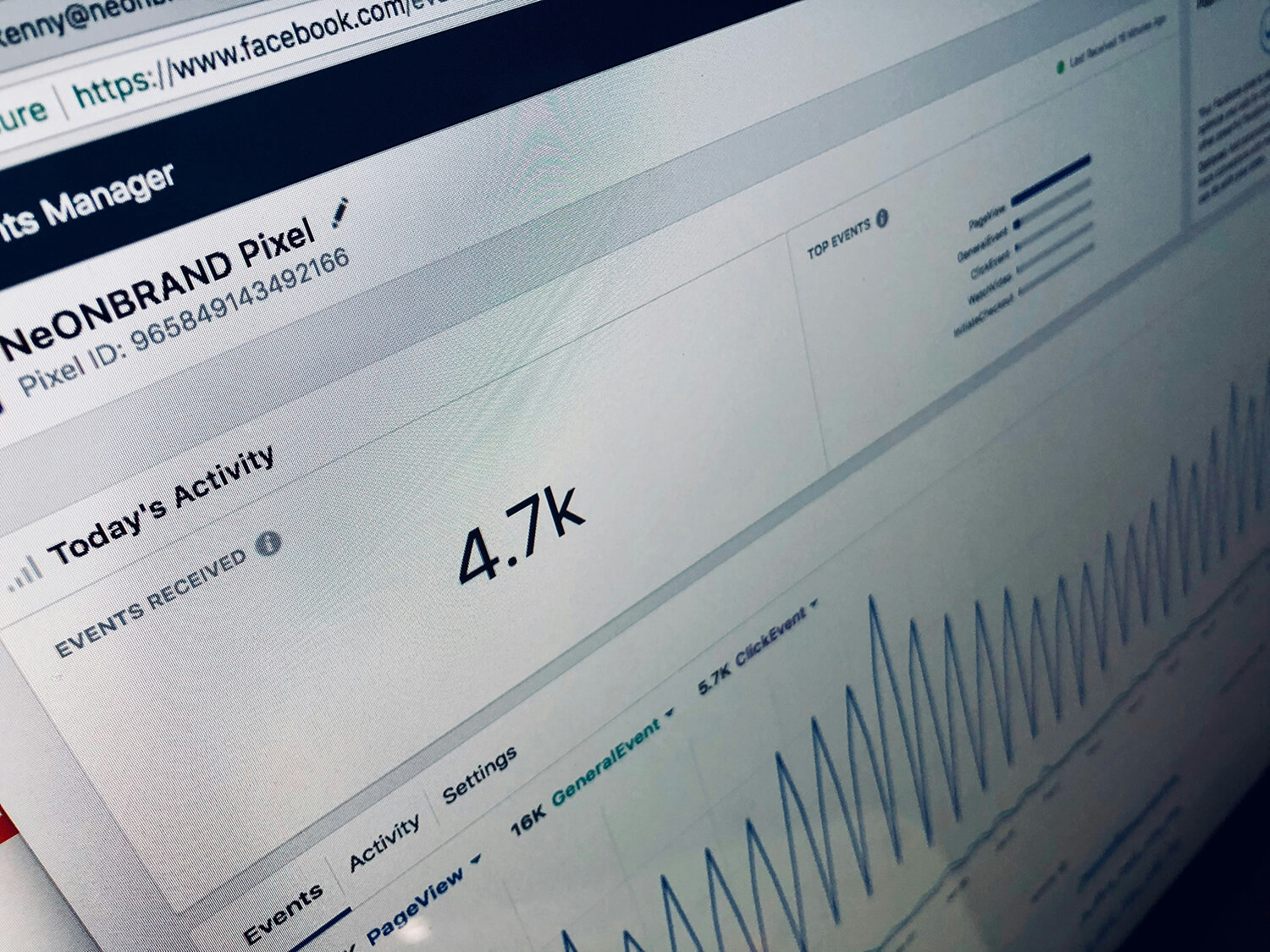
Install the Facebook Pixel to track and measure traffic flowing from Facebook to your business website — it’s one of the most straightforward ways to connect ad spend to real outcomes.
A Selection of Ad Formats
Facebook Video Ads empower businesses with a knack for storytelling to shine and enable brands to discover opportunities with a vast range of options in text and rich media formats. Whether you choose to go with carousel ads to showcase a product catalogue or a short video that weaves a narrative, the choice to be creative and innovative is only limited by your imagination.
Efficient Customer Support
Many Facebook users enjoy the accessibility that the platform provides in reaching brands and businesses through Facebook Business Pages.
Deciding to hire a dedicated staff member for chat support or automate a chatbot for Facebook Messenger can both provide unique benefits, such as a more human voice for the former and tireless efficiency with the latter. Depending on the need, a human chat support team can always intervene when an automated communication scenario deviates from the script.
Affirmative Social Signal
While social media presence does not have a direct impact on your website’s SEO, having a verified Facebook Business Page serves as a positive social signal that influences your online presence. This helps build your authority and online reputation as a brand and informs search engines – through affirmative social media engagement – that your business is legitimate.
The platform can only go as far as its population
As for the disadvantages of Facebook marketing, the only real setback that it presents is that it’s limited by its size—your brand or business can only directly reach the people who are on Facebook.
That being said, if your audience is not on the platform, then it would not make real sense for your business to do Facebook marketing. However, even if that were the case, having a Facebook Business Page can still perform as proof of your business’ existence, and at worst, will only experience limited engagement.
With more than 3 billion active Facebook users as of 2026, the first question for any business owner remains, “How can your business not be on Facebook?”
Truly, the power of the platform lies in its population.
Facebook and Social Media in the Philippines
The Philippines is famously known as the “Social Media Capital of the World” for its high usage time across social media platforms like Facebook, Instagram, and X, among others, with the average user logging in nearly five hours a day.
The Philippines consistently ranks among the top countries globally for digital engagement. Filipinos spent nearly eight hours and 52 minutes online per day in early 2025, well above the global average of six hours and 38 minutes, according to Advance Solutions, Inc., with Facebook, Instagram, and TikTok among the platforms driving that time.
Facebook’s prevalence in the Philippines makes it a non-negotiable channel for most local brands. Given the influence of the internet on many Filipinos’ daily lives, it makes perfect sense for any local brand to be on at least one of the most popular social media platforms, allowing the business to reach its goals. Facebook’s prevalence makes it an easy choice for most brands and businesses. The platform’s depth of targeting, combined with the volume of Filipino users, means the opportunity to reach your exact buyer exists — the question is how precisely you go after it.
In this blog, Social Media Best Practices for the Philippines 2021, Bernard discusses how social media platforms, like Facebook, continue to grow even larger and influence online behaviors of many Filipinos. As a marketer with decades of experience in the industry, he dissects the four key points that go beyond the headlining data:
- Know your audience
- Authentic means humanized
- Use the “lookalike”
- Remarket everywhere
Know your audience
Since it’s no secret that many Filipinos “live online,” the right questions to ask before building any campaign are:
- Who are you creating the most value for?
- Who are your competitors not talking to?
- Which social media platforms do your audiences use?
- Are these the most suitable social media platforms for your products?
- How do you work with all the data presented to you?
Behaviors shift faster than most brands expect. Staying close to audience data isn’t a setup task, it’s an ongoing one.
Authentic means humanized
Authentic branding content is all about being relatable to your audience. The Philippines is a celebrity-driven market; there is a specific role for celebrity endorsers in hero content. However, celebrity endorsements aren’t always the most effective route, particularly for brands that can’t access A-listers.
Effective and targeted marketing places your audience in the story, allowing them to imagine experiencing your product. Instead of showcasing the product, glamorize an experience of it from the perspective of the average Filipino.
Use the “lookalike”
Creating custom audience lists for your Facebook Ads enables a marketer to make the most of the platform by setting up ad sets targeting users who resemble your best existing customers.
Build your audience database carefully. Facebook uses it to find people who share the behaviors, preferences, and pain points of your most loyal buyers. Reach a new audience who behave like your existing customers, and they are far more likely to respond the same way.
Remarket everywhere
There is no reason to not do remarketing, especially when it can be the cost-effective solution that gets your business closer to achieving its goals.
Remarketing serves ads repeatedly to users who have already interacted with your brand — across the Google Display Network, Facebook, and beyond. Given the amount of time Filipinos spend online, limiting your remarketing to a single platform is an unnecessary constraint on your brand’s growth potential.
What a Facebook Marketing Expert Thinks…
As the Managing Partner of Truelogic, a digital marketing firm and social media marketing agency, Berns emphasizes how significantly Facebook has grown over the past year and how social Filipinos are as an audience. And as a marketer, your brand has to make it your business to be where your audience is.
If you’re wondering how to implement an effective Facebook marketing strategy, read on for a practical breakdown.
How to do Facebook Marketing?
Like any other marketing strategy, the activation of a Facebook marketing campaign serves to accomplish a variety of goals. These goals can be anywhere from creating brand awareness and increasing qualified leads to improving conversion rates.
It’s important to consider, too, how a business’ goal isn’t always a sale; it can be a like, follow, subscription, download, or purchase. So long as there are quantifiable ways to measure a goal, achieving it can be done.
Understanding Facebook Marketing Objectives
The primary objective of Facebook marketing, at its core, can be categorized according to three overarching campaign goals:
- Awareness
- Brand awareness
- Reach
- Consideration
- Traffic
- Engagement
- App Installs
- Video Views
- Lead Generation
- Messages
- Conversion
- Conversions
- Catalogue Sales
- Store Traffic
The Inbound Facebook Marketing Methodology
As a marketer, you need a working awareness of the buyer’s journey and sales funnel to fully leverage these Facebook marketing campaign goals.
The buyer’s journey helps you tailor a seamless experience for your target audience as they move throughout the stages of their experience with your business. The sales funnel maps the in-depth strategies that turn audiences into leads and, ultimately, into paying customers.
Applying these marketing tools also requires an understanding of digital marketing segmentation. As discussed earlier, one of the critical elements that can make or break a marketing campaign is knowing your audience. Digital marketing segmentation involves clustering your audiences into two types: your actual and potential customers. This enables an online marketing strategy to maximize the opportunities that the inbound methodology offers through a social media platform such as Facebook.
Once you’ve decided on your target audience and have set the desired campaign goals, you get to optimize how your Facebook ads budget is spent and managed. A/B testing, data collection, and regular strategy reviews are where theory becomes performance, and where the gap between brands that grow and those that plateau becomes visible.
Creating a Facebook Marketing Strategy
Here’s an overview of what you need to know about crafting a Facebook marketing strategy:
- Setting up a Facebook Business Page
- Promoting your Facebook Page
- Creating a social media content calendar
- Using the different types of Facebook posts
- Identifying your Facebook Audience
- Who is your Buyer Persona?
- Facebook marketing for lead generation
- Using analytics in your Facebook marketing strategy
- Facebook Ads as an essential part of your online marketing strategy
- Setting Up Facebook Ads
- Choosing the Right Facebook Marketing Ad Formats
- Measuring and optimizing your Facebook Ad results
Setting up a Facebook Business Page
A Facebook marketing strategy will usually be centered upon your Facebook Business Page, which means that setting it up correctly is an important step in ensuring that your audience can fully know your brand. For starters, your Business Page should allow Facebook users to find out what your goods and services are, the store’s operating hours, and your business address should it have a physical location, just to name a few.
Here are the steps to make sure that your Facebook Business Page delivers an enjoyable experience for your audience, customers, followers, and fans:
- Add high-quality photos and choose profile and cover photos that help users easily identify your brand.
- Craft descriptions and fill out the existing fields, especially in the “About” section of your page. Keep in mind that potential customers will navigate and search for the basic information such as your business name, address, and phone number (NAP).
- Come up with a username and vanity URL that’s easy to read, recognize, and recall. Note how this username will be the same one your brand will use across various social media channels, so it also has to be unique.
- Setting up page roles for the specific members of your team enables you to delegate tasks and command accountability. There are different page roles that allow certain functionalities in operating the Facebook Business Page, which enables handling by several users without sharing the same account that founded the page.
- Use a CTA on your page to immediately prompt users toward an action. Below your cover photo, you can add a button and configure the call to action and its function. These actions can range from your everyday “Contact Us” to “Send Message,” “Call Now,” and “Sign Up,” among others.
- Customize page tabs and only show relevant navigational tabs, such as your posts, photos, videos, locations, among others, depending on what your target audience will likely want to see from your brand. This can help you forge possible paths that take your audience through the buyer’s journey.
- Page verification, also known as the blue check badge next to a profile’s name, serves to validate the authenticity of a page. The blue badge is reserved for a public persona, media company, or brand, while the grey badge confirms the legitimacy of a business or organizational page. It isn’t necessary, but the verification badge does add authority, allowing users to trust the page more easily.
Promoting your Facebook Page: How to get Facebook Likes and Followers?
Promoting your Facebook Business Page is a necessary step to building an audience. A Facebook user liking your page is a positive action that says that they are willing to see your business on their newsfeeds, which means that they are willing to be your captive audience. So, as a marketer, how do you start getting more likes and followers for your brand?
The first rule is to never buy likes. Not only will it cost you, but it’s also counter-productive, as many of these likes will not be paying customers in the end. Bought likes are often sourced through click farms, fake profiles, and compromised accounts, and over time, low engagement against a large following signals inauthenticity to both the algorithm and real users.
To promote your Facebook Business Page and gain more likes and followers, build a community of people who genuinely share an interest in what your business offers.
Posting consistently on your page, responding to messages quickly, and interacting with user comments are the best ways to organically build an audience truly supportive of your business.
Facebook Groups are another powerful and often underused lever for organic reach. While your Business Page is your brand’s home base — the place where you broadcast, inform, and convert — a Group is where you facilitate conversation.
Creating or actively participating in a Group relevant to your niche gives your brand access to a self-selecting audience of people already interested in your category. It builds trust and community at a depth that a Page alone rarely achieves, and because Groups prioritize peer-to-peer engagement, your brand’s presence there feels less like marketing and more like membership.
Creating a social media content calendar
A social media content calendar helps you organize your content strategy for the foreseeable future. Usually structured by month in a spreadsheet or an app, a content calendar enables you to manage your brand’s content strategy and adhere to publishing schedules.
When running multiple marketing campaigns simultaneously, a content calendar keeps the entire process — from ideation to publication — seamless and structured accordingly. It’s a simple tool with real directional impact: a well-maintained calendar prevents reactive posting, ensures consistency across channels, and creates space for the kind of varied, intentional content that builds an audience over time.
Using the different types of Facebook posts
Audience growth isn’t just about consistency; it’s about variety. Employ the different types of Facebook posts and reach your target audience through:
- Status or text post
- Linked post
- Photo or image post
- Video post
- Facebook Live video post
- Facebook Stories
- Facebook Reels
- Pinned post
Image posts consistently drive higher engagement than text alone. When paired with the right caption, they stop the scroll and invite interaction. A pinned post, reserved for important and high-impact content (such as announcements, promos, and key product or service highlights) should be the first thing a new visitor sees on your timeline.
Identifying your Facebook Audience
With a buyer persona for every type of customer in the sales funnel, it will be much easier to set your target audience with Facebook marketing. By applying the characteristics of your buyer persona to your Facebook audience and targeting these users, you can maximize the capabilities of the platform for building audiences.
Audience Insights, Facebook’s powerful analytics tool, can be accessed through Facebook Ads Manager, enabling you to access a wealth of information about your audience, including those of your competitors. This can help you hone and further develop your buyer persona.
Who is Your Buyer Persona?
As a marketer, you should know that like any relationship, it is important for the brand to communicate with your audience. Knowing your buyer persona is one way to develop brand messaging, which is also integral in content planning, because understanding your customer’s needs begins with knowing who they are.
Your buyer persona serves as the model that represents your ideal customer as they go through the buyer’s journey, starting from awareness to consideration, and eventually, conversion. It’s the foundation of brand messaging, content planning, and targeting decisions, because reaching the right person with the wrong message produces the same result as reaching the wrong person entirely.
Creating a buyer persona is among the core strategies involved in Facebook marketing services, as it enables a marketer to craft and tailor content that speaks to and resonates with their ideal customer.
Facebook marketing for lead generation
A lead is a person in your audience close to turning into a buyer, and you can use lead generation as an objective of Facebook marketing, effectively pooling the audiences with the greatest potential to convert.
Here are some strategies that you can include in a lead generation campaign through Facebook marketing:
- Using compelling landing pages
- Posting blogs that have historical evidence for lead generation
- Sharing video posts that promote your offerings
- Utilizing Facebook Live to remind users of any upcoming events or promos
- Scheduling Facebook Events for webinars, online selling, or sales and discounts
- Participating in or creating Facebook Groups within your niche
Using Facebook Lead Ads allows your audience to directly engage your offerings without having to leave the platform, making lead generation much more convenient for both you and your prospective customer.
Using analytics in your Facebook marketing strategy
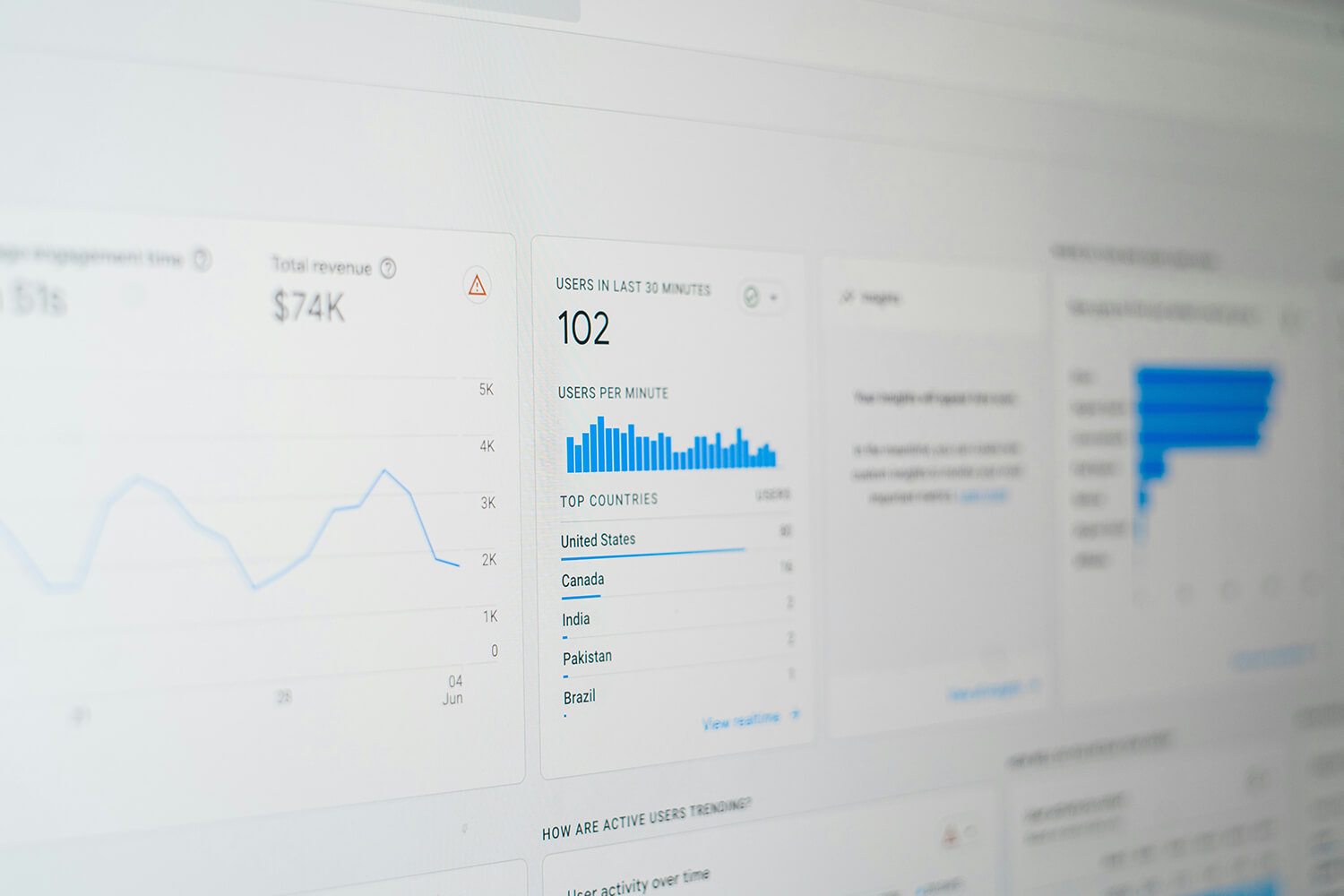
Page Insights gives you comprehensive data on your Facebook Business Page’s performance — audience composition, engagement volume, reach breakdown, and post-level results. This includes data on your audience and the volume of engagement on your posts, which enables you to analyze the pertinent metrics to your campaign objectives.
Through Page Insights, you can check relevant data on:
- The volume and trend of your likes (unlikes, organic, paid, and net likes)
- Your page’s reach through a breakdown of organic and paid traffic
- Your page views
- Details and data on your posts and engagement
Ultimately, gathering and analyzing this data offers you an opportunity to make adjustments and build a Facebook marketing strategy that leverages your leads. Combining these insights with a data-driven approach to an inbound methodology should be the next step once your brand has built its online reputation.
Facebook Ads as an essential part of your online marketing strategy
To cut through the jargon, the significant elements in Facebook Ads include:
- Campaigns
- Ad Sets for Target Audiences
- Ads
Depending on your Facebook marketing strategy, your campaign can target any of the following goals: awareness, consideration, or conversion. Each goal comes with objectives that double as success metrics — traffic, engagement, views, and others — and the clearer those metrics are from the start, the more precisely you can optimize as data comes in.
Setting Up Facebook Ads
If you don’t have saved audiences for your ads, you can proceed to filter according to demographics, like location, language, age, and gender. From there, detailed targeting options let you narrow by interests and behaviors to reach the segment most likely to act.
Budget and scheduling are critical to ensuring your advertising efforts produce ROI. So, in setting your ad spend budget, it is better to go with a daily budget, as opposed to the lifetime option.
The daily budget only allows a fixed amount of ad spend per day, so you won’t overspend by accident. A lifetime budget, meanwhile, will spread out your budget as evenly as it can over a set period. Whichever the case, you get to set a schedule for when your Facebook Ads are going to run.
A/B testing is a likely solution for discovering greater ad opportunities.
Choosing the Right Facebook Marketing Ad Formats
To successfully reach your target audience, you’ll need to know which ads work best. Here are the different types of ad formats available in a Facebook marketing campaign:
- Image ad
- Video ad
- Carousel ad
- Collection ad
- Slideshow ad
- Lead generation ad
The right format depends on the goal. A carousel ad works well for a new product line or catalog view. A collection ad highlights a single product’s key features and benefits. A video ad carries a narrative that static formats can’t. Match the format to the message, not the other way around.
Measuring and optimizing your Facebook Ad results
Once your ads are live, monitor performance through Facebook Ads Manager. Analyze the latest data on ad performance and schedule reports, which can be broken down according to a wide array of metrics across all your Facebook marketing campaigns.
As a marketer, having this insight can help you see if you’re moving closer to your goals or if there are any areas for improvement. Is it the caption’s messaging? The CTA? Or maybe the image is off-putting?
The principle holds: so long as something can be quantifiably measured, it can be improved. And this applies to Facebook advertising as well.
Wrapping up: Facebook Marketing Services as a Social Media Marketing Solution
With more than 2 billion daily users, Facebook remains to be the platform where an online audience is willingly engaging brands and seeking out businesses.
Facebook marketing, through an inbound methodology, takes time to build momentum, but it compounds. The brands that grow consistently on the platform are those that treat it as a long-term investment: building audiences carefully, testing what resonates, and using data to improve with every cycle.
To enjoy genuine success through social media marketing, your brand has to translate your goods and services into relatable and authentic online experiences for your audience. Provide value through varied post formats, use the full range of ad types to communicate your offerings, and let the platform’s data guide your next move.
Capture your audience’s attention and keep them glued to your content through creative and innovative ways.
Facebook marketing offers brands and businesses the opportunity to scale and grow like they never could have had they stayed offline. Through its platform, tools, and insightful data analytics for businesses, Facebook provides brands an alternative channel to build lasting relationships with their customer base.
Discover what your audiences are looking for, what interests them, and what they avoid and respond with solutions that fit.
Everything covered here, from audience targeting to content calendars to community building through Groups, reflects the social media best practices that consistently separate growing brands from stagnant ones.
Build your brand the right way — through authenticity, consistency, and a deep understanding of the people you’re trying to reach.
Frequently Asked Questions
How much should a business in the Philippines budget for Facebook Ads?
There’s no universal number. It will all depend on your industry, campaign objective, audience size, and competitive landscape. The more useful starting point is a daily budget that gives the algorithm enough signal to optimize.
Most small to mid-sized businesses start between PHP 300 and PHP 500 per day per ad set, then scale what performs. The goal isn’t to spend more; it’s to spend on what’s working.
What’s the difference between boosting a post and running a Facebook Ad?
Boosting a post is a simplified ad format — it promotes an existing post to a wider audience with limited targeting options.
Running a Facebook Ad through Ads Manager gives you full control: campaign objectives, audience segmentation, placement, bidding strategy, and creative formats.
Boosting has its place for extending the reach of high-performing organic content, but it’s not a substitute for a structured ad strategy.
How long does it take to see results from Facebook marketing?
It depends on the goal. Paid ads can generate traffic and leads within days of launch. Building organic reach — through consistent posting, community engagement, and content quality — takes longer and compounds over time.
Most brands see meaningful organic growth within three to six months of a consistent strategy, though this varies by industry, content quality, and posting frequency. The combination of paid and organic, run together, produces the fastest and most durable results.
Can Facebook Groups be used as a marketing tool?
Yes, and they’re one of the most underleveraged tools available.
A Facebook Group lets your brand move beyond broadcasting into genuine community-building. Members join because they share an interest, which means the audience is self-selected and already engaged.
Brands that create or participate in relevant Groups consistently report higher trust signals, stronger repeat engagement, and a shorter conversion path compared to cold ad audiences. The key is to lead with value — useful content, active moderation, real responses — and let the commercial dimension follow naturally.