Google AI Mode Introduces Pre-Organic Answer Block, Reshaping Enterprise SEO Strategy Requirements
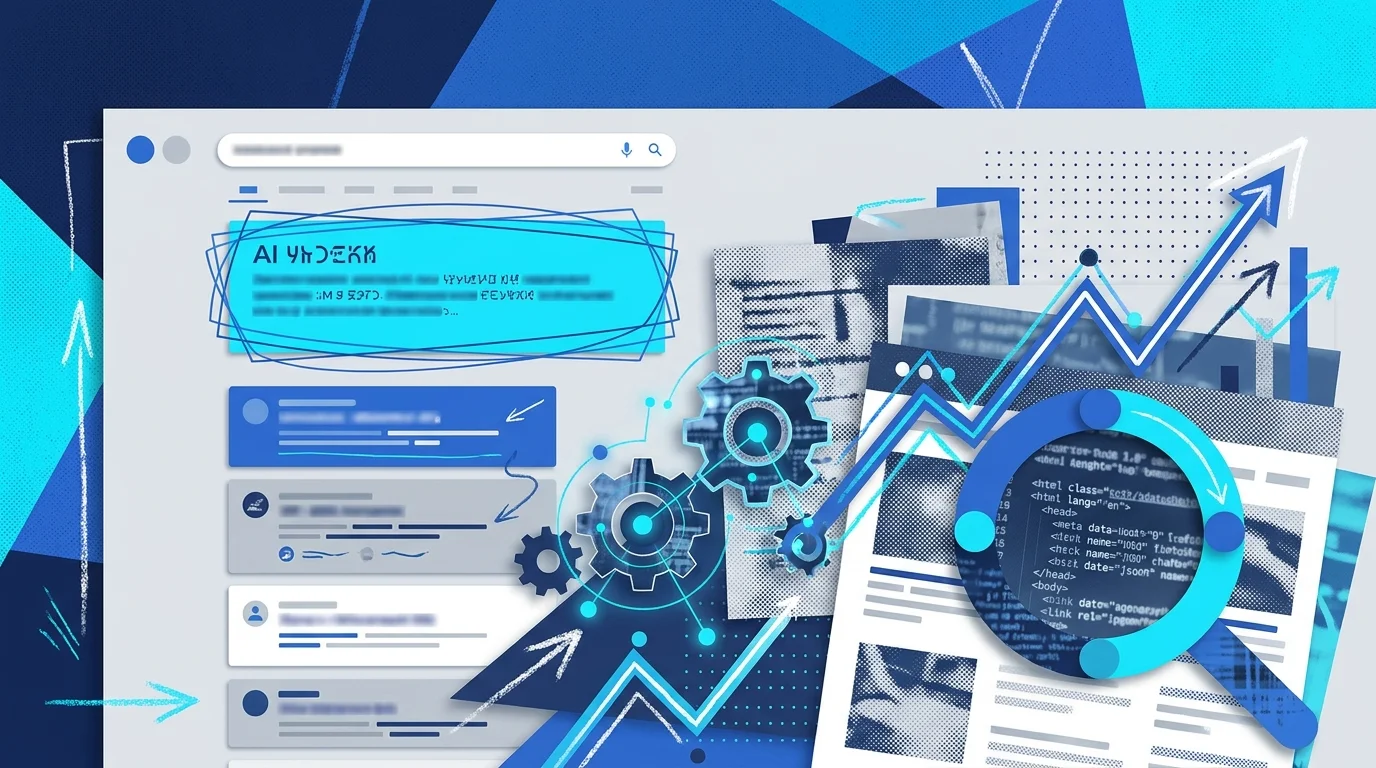
Google’s AI Mode search experience now places AI-generated answer blocks ahead of organic results, forcing enterprise marketing teams to restructure content strategies around authority signals rather than traditional ranking factors, according to analysis published today by Pansofic Solutions.
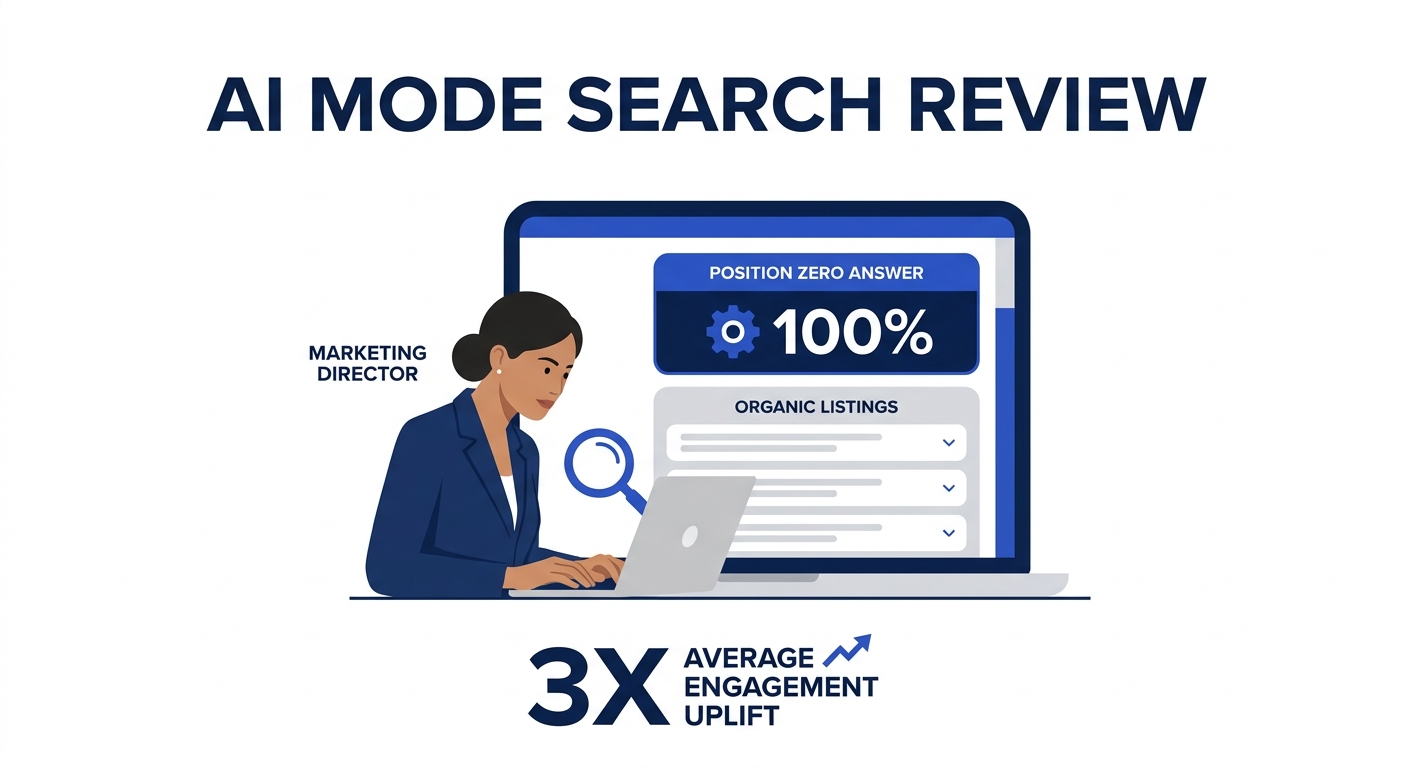
The shift represents a fundamental change in how search visibility works. Built on Google’s Gemini model, AI Mode synthesizes content from multiple sources into a single conversational answer that appears before traditional blue links—a placement the industry now calls “Position Zero.” Unlike AI Overviews, which provide brief automatic summaries for select queries, AI Mode operates as an opt-in experience that handles multi-turn conversations and pulls from fewer, more trusted sources.
For marketing directors overseeing search engine optimization programs, the strategic implication is clear: ranking on page one no longer guarantees visibility if the content structure does not feed Google’s AI answer generation. The analysis identifies four technical and editorial requirements that now determine whether enterprise content appears in AI Mode citations.
E-E-A-T Framework Becomes Non-Negotiable
Google’s Experience, Expertise, Authoritativeness, and Trustworthiness signals—previously recommended but often deprioritized in favor of backlink acquisition—now function as baseline criteria for AI Mode inclusion, the report shows. AI Mode evaluates whether content demonstrates real-world experience and verifiable expertise before considering it as a source.
The practical requirements include author credentials displayed on every article, citations to authoritative external sources, factual accuracy maintained through regular content audits, and original data or case studies that signal first-hand knowledge. Marketing teams accustomed to outsourcing content production to freelance pools without subject-matter vetting will need to restructure workflows around credentialed contributors.
Structured Data Shifts From Optional to Mandatory
Schema markup—the technical code that tells search engines what content represents—functions as the primary mechanism through which AI Mode identifies and extracts information, according to the analysis. Pages without proper structured data implementation are effectively invisible to AI Mode, regardless of content quality.
The report identifies five schema types that now require implementation across enterprise sites: Article or BlogPosting schema for editorial content, FAQPage schema for Q&A sections, HowTo schema for instructional material, Organization and LocalBusiness schema for brand authority establishment, and BreadcrumbList schema for site hierarchy clarity. These specifications exceed what most in-house development teams maintain as standard practice, creating immediate technical debt for brands that deprioritized structured data in previous SEO builds.
Marketing leaders briefing agency partners on content marketing or site redesign projects will need to explicitly require schema audit and implementation as deliverables, not assume it as included work. The gap between “SEO-optimized content” as traditionally defined and “AI Mode-compatible content” centers largely on this structured data layer.
Semantic Coverage Replaces Keyword Density
AI Mode evaluates topical authority—whether content comprehensively addresses a subject and its related subtopics—rather than measuring keyword frequency or exact-match optimization. The system rewards pages that answer both primary and secondary questions a user might have, structured through clear heading hierarchies and natural language variations.
This approach mirrors the SEO strategy shift from traffic to revenue goals documented in earlier platform changes, but accelerates the timeline. Brands still producing thin, keyword-stuffed pages targeting high-volume search terms will see continued erosion in AI Mode visibility, even as those pages retain traditional organic rankings.
The operational impact falls on content briefs. Marketing directors accustomed to approving 500-800 word articles optimized for single keywords will need to scope 2,000+ word comprehensive guides that cover topic clusters, then verify through content marketing agency partners that semantic depth requirements are met before publication.
Core Web Vitals Remain Technical Baseline
Page performance metrics—Largest Contentful Paint under 2.5 seconds, Interaction to Next Paint under 200 milliseconds, and Cumulative Layout Shift under 0.1—continue to function as minimum technical standards for AI Mode source selection, the report confirms. Slow-loading pages or sites with poor mobile experience are excluded from citation consideration regardless of editorial quality.
This creates a two-layer technical challenge for enterprise marketing teams. The first layer involves ongoing Core Web Vitals monitoring through Google Search Console, which most organizations already maintain. The second layer requires cross-functional alignment with IT and development teams to prioritize performance fixes that marketing previously struggled to escalate beyond backlog status.
Brands running on legacy content management systems or heavily customized WordPress installs face particular risk. The technical SEO requirements for AI Mode citation—combining schema implementation, performance optimization, and mobile responsiveness—often exceed what older platforms support without significant re-platforming investment.
The Takeaway
Google AI Mode’s introduction of Position Zero answer blocks fundamentally changes what “ranking” means for enterprise brands. Marketing leaders planning 2026 search strategy cannot treat AI Mode as an incremental adjustment to existing programs—the technical and editorial requirements differ enough from traditional SEO that bolt-on fixes will underperform.
The immediate action item for CMOs and marketing directors is audit current agency relationships against the four factors outlined above: E-E-A-T implementation, structured data coverage, semantic content depth, and Core Web Vitals compliance. Brands that assumed their existing SEO partner was handling “AI optimization” need to verify explicitly, because the schema work and content restructuring required often fall outside standard monthly retainer scope.
For organizations without in-house SEO expertise to evaluate agency deliverables against AI Mode requirements, corporate SEO training programs that upskill marketing teams to brief and QA technical work become a short-term investment with compounding returns. The gap between what marketing leaders think they are buying and what agencies are actually delivering has widened significantly in the six months since AI Mode moved from beta to mainstream deployment.