Last-Minute Marketing That Still Looks Planned
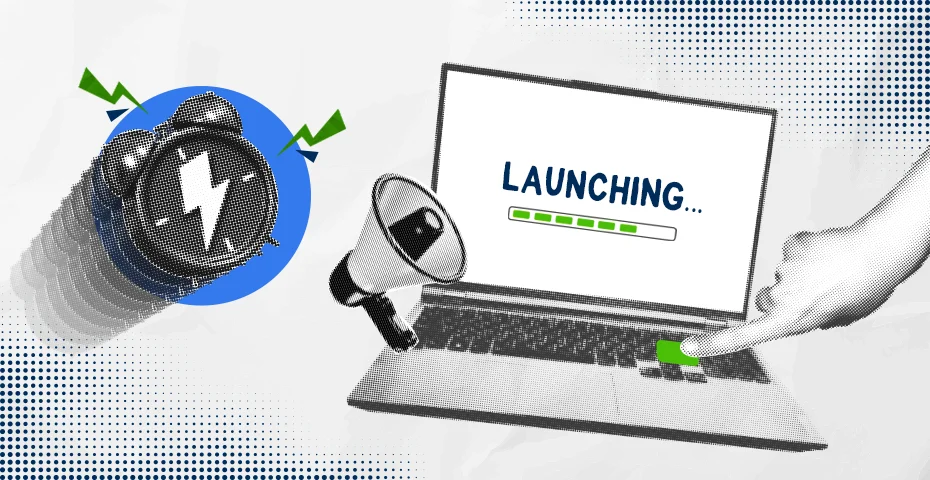
There’s a special kind of panic that hits when you realize a campaign window is closing and you haven’t launched anything yet. Maybe the brief came late. Maybe the trend arrived out of nowhere. Maybe the team just had an Olympic-level week and marketing had to wait its turn.
Either way, “last-minute” happens—to everyone.
But here’s the part most marketers won’t admit out loud: Some of the most effective campaigns are born under pressure.
Because when the clock is ticking, you stop overthinking, you stop polishing the edges, and you focus on the only things that actually move people.
Last-minute marketing isn’t about scrambling. It’s about simplifying, prioritizing, and shipping just the right moves before the window closes. And when you do it well, the result doesn’t feel “last-minute” at all, it feels timely, intentional, and weirdly effortless.
So let’s talk about how to pull that off without losing your mind.
Start with One Goal
That’s right. One goal and not a whole vision board. When you’re in a rush, the biggest threat isn’t the timeline, but the temptation to do everything all at once.
You don’t need a grand strategy. You need one measurable outcome:
If you try to chase multiple goals, your campaign will feel like a buffet with no theme—too much variety, not enough direction.
A tight runway forces clarity. And clarity is what customers respond to fastest. Once a single goal is locked, everything else–channel choice, messaging, offer mechanic–becomes easier. Last-minute doesn’t mean sloppy. It just means focused.
Use What You Already Have
Because reinventing the wheel is for people with time.
When you’re racing the clock, the smartest move isn’t to create from scratch, but to look sideways at what already exists and give it a fresh, timely spin.
Most brands sit on a goldmine of assets they forget about the moment campaign season hits: that product page that always converts, last year’s holiday hero visual, an email that pulled crazy open rates, a blog post that still gets traffic, or even a customer testimonial that deserves a second life.
The trick is to reframe, not rebuild.
Repurposing is not cheating, but an efficient storytelling. And in last-minute mode, efficiency is creativity.
There’s also something refreshing about leaning into what’s already working. You’re not guessing. You’re not hoping. You’re simply moving proven assets into a moment where attention is high and patience is low.
If you’re incredibly pressed for time, pick one asset that already proved its worth, and ship it in a new, seasonal wrapper. It gets the job done without looking like a rush job.
Act Fast, Task Faster
Always remember that urgency is the real engine when pulling off a last-minute campaign—it is the hero of the story.
People move when they feel like the window is closing, and last-minute campaigns naturally carry that energy. Instead of hiding the rush, you can actually lean into it. Countdown timers, “last chance” messaging, limited sticks, even simple phrasing like “today only” nudges people into action because it cuts through their usual hesitation.
The psychology is simple, really. When the brain senses a shrinking timeline, decision-making speeds up. Customers don’t want to miss out on a good deal, a seasonal offer, or the final seats in an event, especially when the message feels timely rather than pushy. A clear reminder like “hours left before doors open,” or “final drop before holiday cut-off,” does more than create pressure; it creates clarity. You’re helping them decide faster by removing the guesswork.
Urgency works best when it’s honest and specific. You’re not inventing drama, you’re just highlighting the moment people are already in. And when done right, it turns even a last-minute push into something that feels energetic, intentional, and impossible to ignore.
The Fastest Wins Come From the Audience You Already Have
When time is running out, going after brand-new audiences is rarely the smartest move. You’ll get faster, cleaner results from people who already know you—past buyers, warm leads, lapsed customers, and recent visitors who just need a gentle nudge. They don’t require a full pitch; they just need a reminder that now’s a good moment to act.
Retargeting works especially well in these situations because it reduces friction. A quick “you might like this” email or a simple ad resurfacing the item they viewed last week can outperform a full-blown campaign aimed at total strangers. Warm audiences already trust you, and trust shortens the entire decision-making path.
Here’s why warm audience hit differently in last-minute mode:
In a tight window, familiarity is your strongest shortcut, and warm audiences give you momentum when you need it most.
Borrowed Trust: The Fast Lane of Influencers and Creators
In last-minute campaigns, trust is your most expensive currency, and creators already have it. They’re fast, they’re flexible, and their audiences actually pay attention. That makes them one of the few channels that can realistically shift behavior this week, not “once the campaign matures.”
You don’t need a major collaboration, either. Sometimes one quick story, a product mention that feels unscripted, or a creator’s honest reaction does more than a polished campaign. People can tell when something feels native to the feed.
The real advantage? Creators live where trends happen. If consumer behavior tilts suddenly—a viral product, a holiday rush, a spike in demand—they can respond in real time, and your brand can ride the moment instead of trying to catch up.
Sometimes the fastest trust is borrowed trust.
Personalization (Without the Overthinking)
For last-minute pushes, personalization doesn’t need to be fancy. It just needs to make sense. A simple “recommended for you” email, a nudge based on something a customer viewed last night, or a quick edit featuring items they almost bought—these tiny touches feel deliberate without slowing your team down.
People move faster when the choice feels made for them. It cuts through the mental load of deciding, comparing, rethinking. And in a rushed campaign, reducing hesitation is half the battle.
Think of personalization here not as a “strategy,” but as a shortcut: small adjustments that make the message land quicker.
Ride the Moment (Trends, Timing, and Everything in Between)
Some of the strongest last-minute campaigns don’t come from new ideas, they come from timing. When people are already thinking about something (a holiday, a payday weekend, a viral trend), your message doesn’t have to work as hard to get noticed.
This is where reframing works wonders. A product becomes a “last-minute gift.” A regular offer becomes a “weekend closer.” Even a simple reminder becomes relevant if it matches the mood of the moment.
You’re not forcing urgency, you’re meeting it.
And because it’s grounded in what consumers already feel, timing-based pivots often outperform the big, highly produced stuff.
Simple Offers Convert Faster (Especially When the Clock Is Ticking)
The tighter the timeline, the simpler the offer should be. People won’t read through layers of rules or decode complicated mechanics when they’re in a hurry. They want something clear, immediate, and worth acting on.
Think:
The best last-minute offers don’t need long explanations. They tell the customer exactly what they’re getting and exactly how long they have to decide. That clarity creates momentum without requiring heavy creative. Simple doesn’t mean boring, it means frictionless.
Focus on the Experience (Because Even Quick Campaigns Need Heart)
A fast campaign can still feel thoughtful, and that’s often what makes it convert. A clean landing page, a faster checkout, a straightforward FAQ, even one reassurance email after purchase—these small touches make the whole push feel intentional instead of scramble-y.
When people feel confident, they buy faster. When the journey is smooth, they don’t hesitate. And when it feels like you thought about them—even while moving fast—they remember.
Last-Minute Doesn’t Have To Look Last-Minute
The truth is, most “last-minute” campaigns aren’t disasters. In fact, they’re opportunities. They force focus. They strip away the unnecessary. They push you to create something timely, concise, and surprisingly effective.
The brands that thrive aren’t the ones with the longest runway; they’re the ones that know how to ship with clarity. A smart nudge to your existing audience. A simple offer with zero friction. A creator who can talk to your customers in a way they already trust. A message that taps into what people want right now.
When you put those pieces together, a tight timeline stops being a handicap. It becomes a creative advantage. Last-minute marketing isn’t about chaos, it’s about momentum. And sometimes, momentum is all you need to make a campaign hit exactly when it matters most.