How to Conduct Digital Competitor Analysis: A Complete Guide for Marketers

Understanding what your competitors are doing online isn’t optional anymore—it’s the foundation of any successful digital marketing strategy. With search engines driving 93% of website traffic and the global digital marketing industry exceeding $740 billion, the competition for online visibility has never been fiercer.
Competitor analysis in digital marketing gives your team a clear view of opportunities and threats, helping you identify industry trends, uncover gaps in the market, and refine your own strategy for maximum impact. This comprehensive guide walks you through every aspect of conducting effective competitor analysis across all digital channels.
Why Competitor Analysis Matters in Digital Marketing
Before diving into tools and tactics, let’s understand why competitor analysis should be a cornerstone of your digital marketing strategy.
Identifying Market Opportunities
By understanding your competitors’ performance, you gain insights that reveal gaps in the market where the competition is lacking. If a competitor makes a mistake while targeting a certain audience segment, you can capitalize on that opportunity before they course-correct.
Anticipating Industry Trends
Competitor analysis empowers marketers to assess the current market and anticipate industry shifts. When you notice multiple competitors pivoting toward a new channel or content format, it signals a trend worth investigating.
Understanding Your Position
A thorough competitive analysis helps you better understand your own strengths and weaknesses. It provides benchmarks for your performance metrics, showing you where you excel and where improvement is needed.
Making Smarter Strategic Decisions
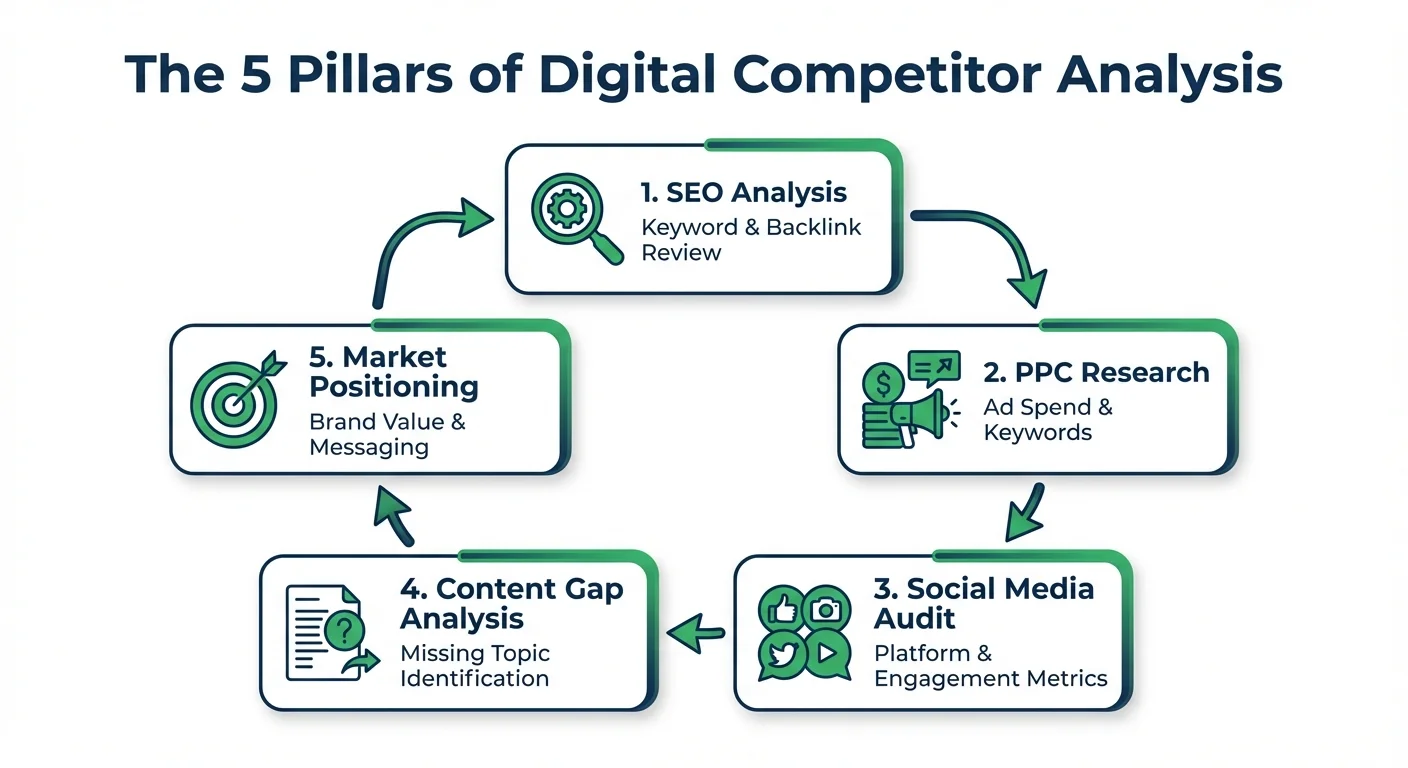
Carrying out competitive analysis in digital marketing gives you the intel needed to make data-driven decisions. Rather than guessing what might work, you’re basing your strategy on proven market realities.
SEO Competitor Analysis: Tools and Metrics

Search engine optimization remains the backbone of organic visibility. A comprehensive SEO competitor analysis reveals how rivals attract organic traffic and where you can outperform them.
Key SEO Metrics to Track
When analyzing competitors’ search engine optimization efforts, focus on these critical metrics:
Domain Authority and Trust Scores
Tools like Moz Pro provide Domain Authority (DA) and Page Authority (PA) metrics that measure a site’s overall strength. These scores help you understand how difficult it will be to outrank specific competitors.
Keyword Rankings
Track which keywords your competitors rank for that you don’t. The “Overlap and Rivalry” metrics from tools like Moz show where your keyword strategies intersect and where competitors have exclusive rankings.
Organic Traffic Estimates
While no tool can provide exact traffic numbers, platforms like SEMrush, Ahrefs, and SimilarWeb offer reliable traffic estimations. These help you identify which competitors command the most organic visibility.
Backlink Profiles
Understanding where competitors earn their links reveals link-building opportunities for your own site. Look for patterns in their top referring domains and the types of content that attract links.
Top SEO Competitor Analysis Tools
SEMrush

Offers comprehensive competitive research features including keyword gap analysis, backlink analytics, and traffic estimates. Its “Competitor Research” section allows side-by-side comparisons.
Ahrefs
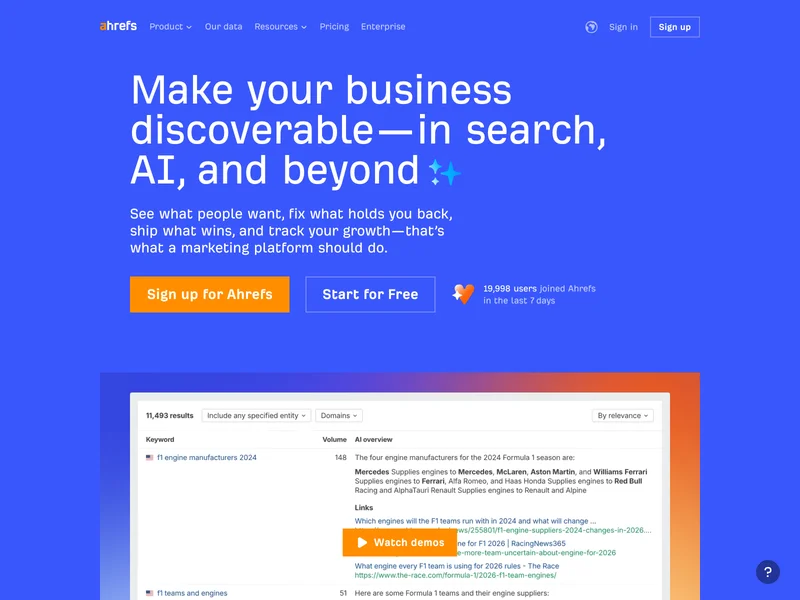
Excels at backlink analysis and content gap identification. The Site Explorer feature shows top-performing pages and reveals which keywords drive the most traffic to competitor sites.
Moz Pro
Strong for authority tracking and on-page optimization insights. The competitive research tool surfaces true market competitors based on SERP overlap.
SpyFu
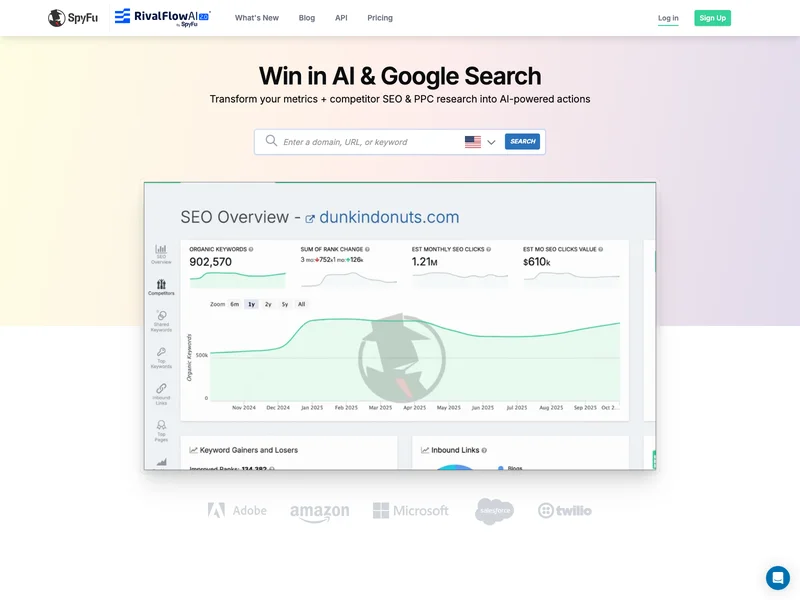
Specializes in revealing competitor keyword history and advertising strategies. You can download competitor keywords, see historical ranking changes, and trace algorithm impacts.
PPC Competitor Research: Spy on Paid Strategies
Understanding competitors’ paid advertising strategies helps you optimize your Google Ads campaigns and maximize your ad spend efficiency.
What to Analyze in PPC Campaigns
Ad Copy and Messaging
Review competitor ad headlines, descriptions, and calls-to-action. Identify which messaging angles they test and what value propositions they emphasize.
Keyword Bidding Strategies
Discover which keywords competitors bid on, their estimated cost-per-click, and how their spending has changed over time. This reveals market priorities and budget allocation patterns.
Landing Page Tactics
Examine where competitor ads lead. Their landing pages reveal conversion optimization strategies, offer structures, and user experience approaches.
Ad Spend Estimates
Tools can estimate monthly ad budgets, showing which competitors invest heavily in paid channels versus organic growth.
Essential PPC Spy Tools
Google Ads Transparency Center
Google’s free tool lets you see active ads from any verified advertiser. While it doesn’t show performance metrics, it reveals current creative strategies.
SEMrush Advertising Research
Uncovers top-performing competitor ads, tracks CPC trends, and analyzes ad spend over time. The “Advertising Research” feature is particularly valuable for identifying successful ad copy patterns.
SpyFu PPC Research
Search for any competitor and instantly see their PPC keywords, ad history, and estimated spending. The platform provides cached screenshots showing actual ads in search results.
Similarweb

Offers competitive ad intelligence including estimated ad impressions, traffic share from specific ads, and keyword performance data.
iSpionage
Specializes in PPC competitive intelligence with features for tracking ad variations, landing page A/B tests, and campaign performance over time.
Social Media Competitive Audit

Social media competitor analysis goes beyond follower counts to understand engagement strategies, content performance, and audience growth tactics. This insight helps refine your content marketing approach across platforms.
Key Social Media Metrics
Engagement Rates
Calculate the ratio of interactions (likes, comments, shares) to followers. High engagement rates often matter more than raw follower counts.
Content Mix and Frequency
Track what types of content competitors post and how often. Note the balance between promotional, educational, and entertaining content.
Audience Growth Trends
Monitor follower growth over time to identify which content or campaigns drive audience expansion.
Response Times and Community Management
Observe how quickly and thoughtfully competitors respond to comments and messages. This reflects their investment in community building.
Social Media Analysis Tools
Sprout Social
Provides robust analytics with competitor benchmarking features. Compare your performance against rivals across multiple platforms in one dashboard.
Brandwatch
Offers social listening and benchmark modules that compare your metrics against competitors, identify trending content, and measure share of voice.
Socialinsider
Specializes in competitive benchmarking with side-by-side performance comparisons and content analysis features.
BuzzSumo
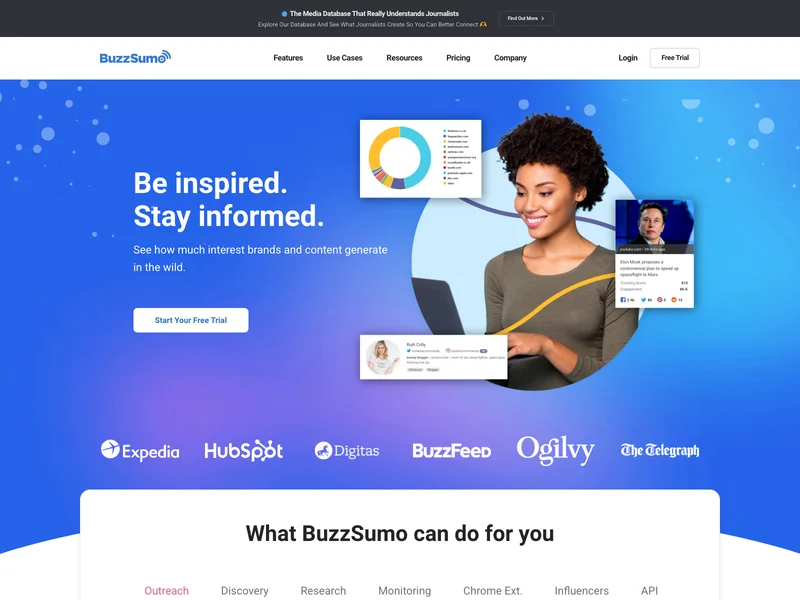
Excellent for content performance analysis—discover which competitor content gets the most engagement and shares across social platforms.
Rival IQ
Particularly strong for Instagram and TikTok analysis, including Reels and Shorts performance tracking.
Content Gap Analysis: Finding Your Opportunities
Content gap analysis is the process of finding holes in your existing content compared to competitors. This analysis involves comparing your content with competitors’ and assessing search query data to uncover topics, keywords, and questions that are underrepresented.
How to Conduct Content Gap Analysis
Step 1: Identify Your True Competitors
Don’t base your analysis on the wrong competitors. Focus on those ranking for your target keywords, not just industry peers who may target different audiences.
Step 2: Run Competitive Keyword Gap Analysis
Use SEO tools to identify keywords where competitors rank but you don’t. This pinpoints immediate opportunities for content creation.
Step 3: Analyze Top-Performing Pages
Look at competitors’ highest-traffic pages. Are they publishing how-to guides? Product comparisons? In-depth research? Understanding successful formats guides your content strategy.
Step 4: Find Missing Topics
Identify topics your competitors cover that you haven’t addressed. These gaps represent opportunities to capture traffic you’re currently missing.
Step 5: Assess Content Quality and Depth
Sometimes competitors rank for keywords you’ve targeted, but their content is thin or outdated. These are opportunities to create superior content and outrank them.
Content Gap Tools
Ahrefs Content Gap
The Content Gap tool shows keywords that your competitors rank for but your site doesn’t. Filter by ranking position to prioritize high-opportunity keywords.
SEMrush Keyword Gap
Compare up to five domains simultaneously to find unique keywords each competitor owns. Identify patterns in topics and search intent.
Clearscope
Analyzes top-ranking content for any keyword, showing which topics and entities are commonly covered. Use this to ensure your content matches search intent comprehensively.
Surfer SEO
Provides content gap analysis alongside optimization recommendations, helping you both identify and fill gaps efficiently.
For deeper insights into measuring your digital performance, explore our guide on choosing the best digital marketing analytics tools.
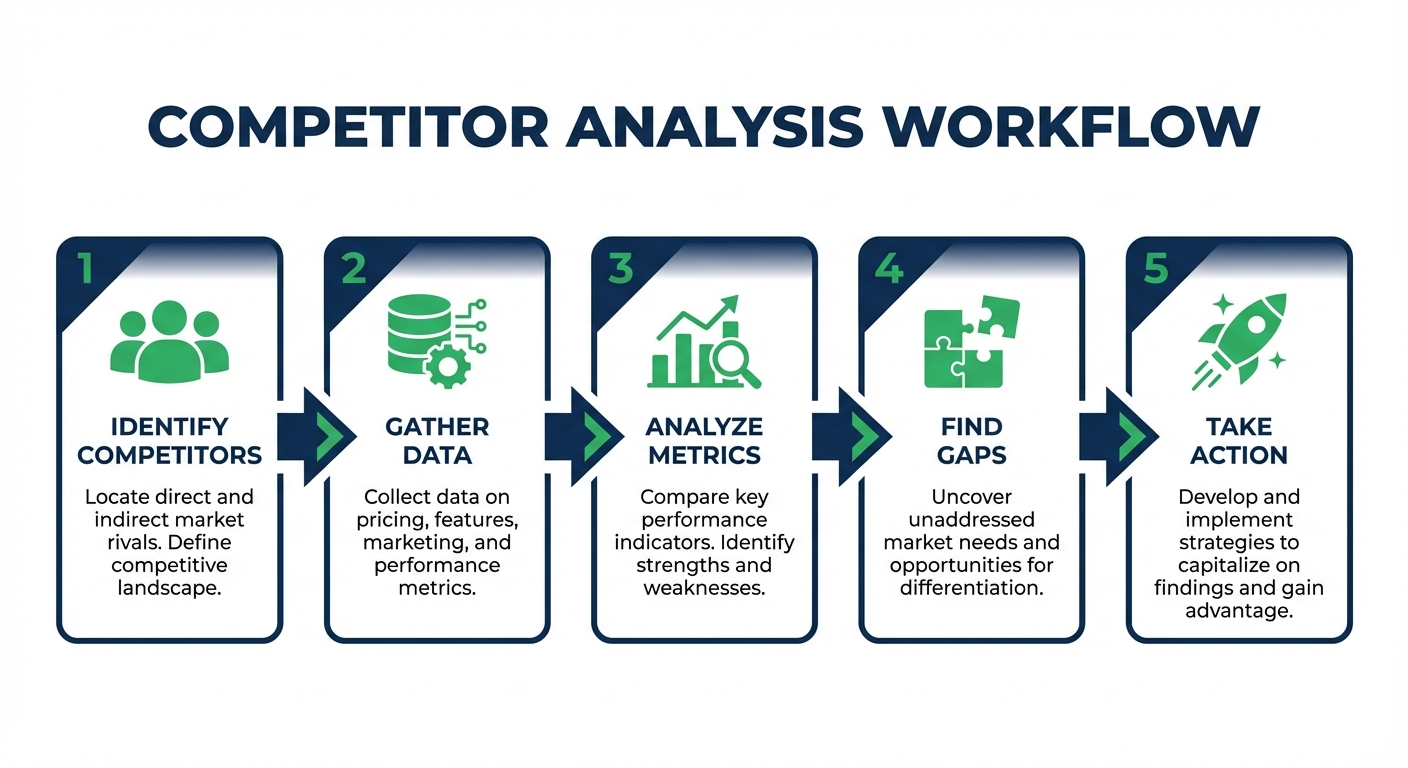
Turning Insights into Action
Collecting competitive intelligence is only valuable if it drives strategic decisions. Here’s how to transform your analysis into results.
Create a Competitive Intelligence Dashboard
Centralize your findings in a regularly updated dashboard. Include:
- Keyword ranking comparisons updated monthly
- Content publication tracking showing competitor blog frequency and topics
- Social media benchmarks with engagement rate comparisons
- Backlink velocity showing how quickly competitors acquire new links
- Ad creative library with competitor messaging examples
Prioritize Based on Impact
Not every competitive gap deserves immediate attention. Prioritize opportunities by:
- Search volume potential – Higher volume keywords offer more traffic upside
- Ranking difficulty – Target gaps where you can realistically compete
- Business alignment – Focus on keywords that match your offerings
- Quick wins – Start with opportunities requiring minimal effort for immediate results
Develop Your Counter-Strategy
For each major competitor, document:
- Their core strengths you can’t easily replicate
- Their weaknesses you can exploit
- Market segments they’re ignoring
- Content gaps you can fill with superior resources
Monitor and Adapt
Competitor analysis isn’t a one-time project. Establish regular review cycles:
- Weekly: Check competitor social media activity and ad changes
- Monthly: Review keyword ranking changes and content publication
- Quarterly: Conduct comprehensive competitive audits across all channels
Common Mistakes to Avoid
Copying Without Context
Just because a competitor does something doesn’t mean it works for them—or will work for you. Analyze results, not just tactics.
Ignoring Indirect Competitors
Your SEO competitors may differ from your business competitors. Someone ranking for your target keywords competes for the same traffic, even if they’re in a different industry.
Analysis Paralysis
Don’t let competitive research delay action. Use insights to inform strategy, but prioritize execution over endless analysis.
Focusing Only on Leaders
Smaller, agile competitors often innovate faster than market leaders. Watch emerging players, not just dominant ones.
Key Takeaways
- Competitor analysis in digital marketing reveals market opportunities, industry trends, and strategic positioning insights
- SEO competitor analysis should focus on domain authority, keyword rankings, organic traffic, and backlink profiles
- PPC competitive research helps optimize ad spend by revealing competitor bidding strategies and messaging
- Social media audits go beyond follower counts to analyze engagement rates, content mix, and community management
- Content gap analysis uncovers topics and keywords where competitors rank but you don’t
- Transform insights into action through dashboards, prioritization frameworks, and regular monitoring cycles
Frequently Asked Questions
How often should I conduct competitor analysis?
Perform comprehensive competitive audits quarterly, with monthly check-ins on key metrics like rankings and content publication. Monitor social media and paid advertising weekly for tactical insights.
What’s the difference between direct and indirect competitors?
Direct competitors offer similar products or services to the same audience. Indirect competitors may offer different solutions to the same problem or compete for the same keywords without being business rivals.
Which competitor analysis tool is best for beginners?
SEMrush offers the most comprehensive suite for beginners, combining SEO, PPC, and content analysis in one platform. SpyFu is also user-friendly for those focused primarily on search and advertising research.
How many competitors should I track?
Focus on 3-5 primary competitors for in-depth analysis. Include a mix of direct rivals, aspirational brands (leaders you want to match), and innovative smaller players who might disrupt the market.
Can I do competitor analysis for free?
Yes, though with limitations. Google Ads Transparency Center, social media native analytics, and free tiers of tools like Ubersuggest provide basic competitive intelligence. For comprehensive analysis, paid tools offer significantly more depth.