Marketing Society and Ekimetrics Report Identifies Organizational Fragmentation as Core CMO Challenge

The Marketing Society and Ekimetrics released a study today identifying organizational fragmentation—not external market forces—as the primary obstacle facing chief marketing officers in Asia-Pacific, according to a report based on interviews with 14 CMOs and business leaders across the region.
The CMO Tension Report frames modern marketing leadership as fundamentally a decision problem, where misaligned KPIs, unclear cross-functional ownership, and fragmented measurement structures prevent senior marketers from making cohesive strategic choices despite access to more data and tools than previous generations.
Sophie Devonshire, CEO of The Marketing Society, said the research surfaced a consistent gap between business growth ambitions and what marketing leaders can realistically deliver given current organizational structures.
Tensions Converge Across Multiple Dimensions
The 14 participants—representing 13 organizations across APAC sectors—described a remarkably similar set of pressures converging simultaneously, the report found. These include the tension between short-term ROI demands and long-term brand-building objectives, friction from fragmented measurement frameworks, and the introduction of AI tools that improve efficiency but do not resolve who holds accountability for strategic decisions.
Olivier Kuziner, managing partner for APAC at Ekimetrics, said organizations risk mistaking efficiency for effectiveness when performance culture and data abundance accelerate decision cycles while shrinking patience for long-term returns. The report argues that value creation depends on fixing the underlying system—measurement frameworks, shared definitions of success, and cross-functional alignment—rather than optimizing within existing constraints.
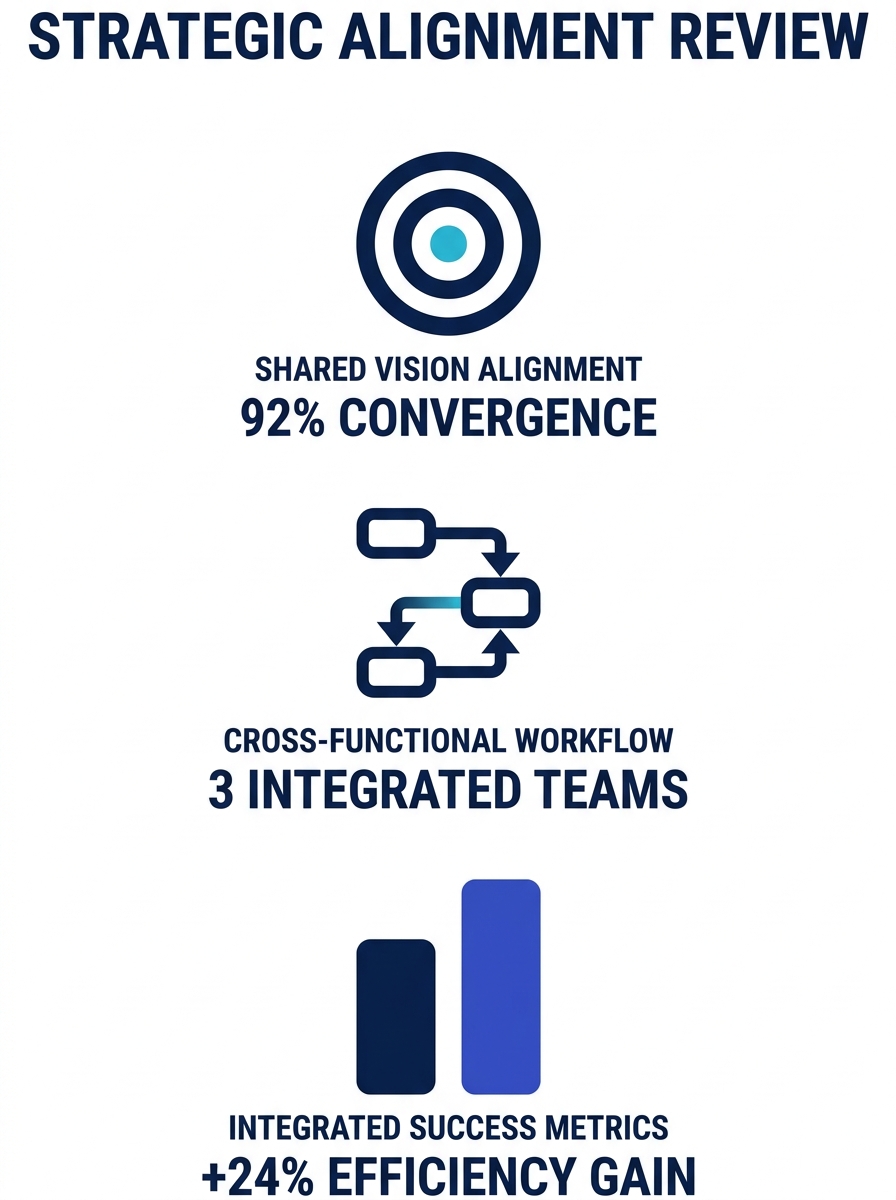
Decision-Making Framework Gaps
The study positions the challenge as structural rather than technological. CMOs interviewed for the report noted that fragmented ownership across functions widens the distance between what businesses aim to achieve and what marketing teams can execute. That fragmentation creates decision paralysis even when sufficient data exists to inform choices.
The report examines what organizations need to change rather than what marketers should do differently: clearer decision-making frameworks, better cross-functional alignment, and shared understanding of how marketing creates value across time horizons. This reflects a broader shift in executive expectations of marketing—from execution function to strategic growth engine.
Regional Amplification
Devonshire noted that every dimension of CMO tension is amplified in a region as geographically and economically varied as Asia-Pacific. The fundamentals of marketing remain constant, according to the report, but how CMOs apply them continues to evolve as organizational structures struggle to keep pace with market velocity.
For marketing leaders evaluating how to structure agency partnerships or brief external teams on measurement frameworks, the report’s findings suggest that internal alignment precedes external execution effectiveness. Ekimetrics and The Marketing Society position the research as a resource for the marketing community to learn from leaders working through these structural challenges in real time.
The full report is available for download through The Marketing Society’s digital publication platform. The organization, founded in 1959, operates hubs across England, Scotland, Hong Kong, Singapore, United Arab Emirates, and New York with a membership exceeding 3,000 marketing leaders globally.
APAC. Implications
For Philippines-headquartered enterprises and APAC companies with local operations, the report validates what many CMOs already experience but rarely see documented: complexity originates inside the organization, not just in market conditions or platform changes. When a marketing leader at a Philippine bank or retail group evaluates whether to engage an agency for attribution modeling or performance optimization, the report suggests the more fundamental question is whether internal measurement frameworks and cross-functional ownership are clear enough to translate external execution into strategic value.
The consistency of findings across 14 APAC leaders in different sectors indicates these tensions are systemic, not company-specific. That matters when briefing agency partners or setting expectations with board members—the challenge is not finding better tools or channels, but establishing the organizational clarity that allows those tools to produce coherent decisions. For enterprises operating across APAC markets with varying regulatory environments, customer behaviors, and competitive dynamics, the report’s emphasis on shared definitions of success becomes more critical as geographic complexity compounds organizational fragmentation.
The research offers no prescriptive framework, but it does name the problem with unusual specificity. Marketing leaders evaluating why agency deliverables or platform investments fail to translate into sustained growth may find more leverage in addressing internal alignment gaps than in switching partners or increasing spend. That reframing—from external optimization to internal decision architecture—represents a material shift in how CMOs should allocate diagnostic effort.