What Makes a Good Website Design
A good website doesn’t start with decoration—it starts with clarity. Your design should make it easy for people to understand your brand, get what they came for, and move confidently through your pages. A strong design feels intentional instead of overloaded, polished instead of chaotic. This is why understanding why good website design is important helps you build pages that support both user needs and business outcomes.
So, what makes a good website design?
A Good Design Is Simple And Clean
Why Simplicity Matters In Website Design
It’s easy to keep adding features as your web development service progresses. But before you ask your designer or developer for “just one more thing,” remember this rule: if it’s not helping your visitors, it’s not helping your business.
Simplicity gives your website several advantages:
A Simple and Clean Design in Action
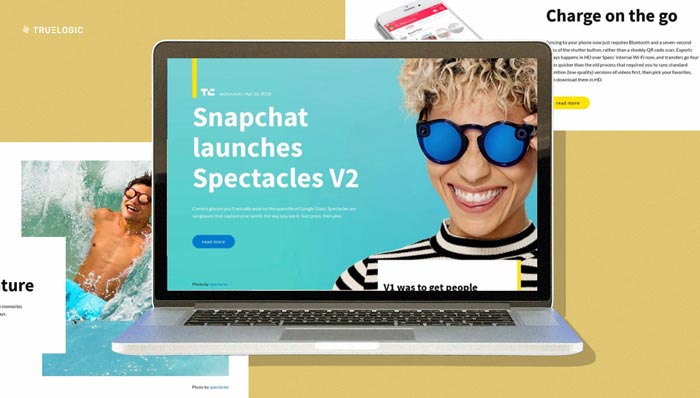
If you’re looking for good website design examples, clarity and focus are often the first things they have in common. In a well-designed “above the fold” section, the value proposition appears immediately. Information is clear and easy to read. Featured products or categories lead to the appropriate landing pages with no distractions and no unnecessary elements getting in the way.
Quick Pointers for Keeping It Simple
Web developers can offer guidance if you’re planning to redesign your site or building a new one. Start with these essentials:
Pro tip: Before working with a web designer, list the essential elements you need. This gives clarity on priorities and helps set expectations from the start.
Made for the Right Audience
Google has always been clear about one thing: build for the user.
Your website may serve as your brand’s home base, but every decision still needs to revolve around your audience—how they think, how they navigate, and how they expect information to appear. Building for users goes beyond aesthetic choices; it’s about making sure every element works together to create a smooth, intuitive experience.
A Good Website Focuses on Usability and User Experience
A website that doesn’t cater to its users fails at its most basic purpose: connecting with your audience.
That’s why usability and user experience sit at the center of every strong web design project. Usability refers to how visitors interact with your website to complete an action. User experience refers to how they feel while doing it.
Both determine whether visitors stay, explore, and convert—or leave within seconds.
Quick Pointers
Good design is the sum of strategic choices. Here are a few reminders web designers often rely on:
Designed With the End in Mind
While your website gives you a platform to connect with customers, it also needs to support what you’re trying to achieve as a business. That’s why most web design services providers start with the same question: What’s the goal of your website?
Your goals guide everything, from layout choices to feature prioritization, to the kind of user journey you want people to experience. When your design reflects your objectives, you make it easier for visitors to take meaningful action. Understanding your goals early shapes how to design a good website that guides users toward the actions that matter.
Goals as Part of the Web Design Process
Once your goals are clear, your designer and developers can highlight the features and elements that matter most.
If your goal is to increase inquiries, for example, your layout needs to surface contact information and calls to action in places users naturally look. If you’re aiming for higher bookings, your conversion paths need to be prominent and friction-free.
Quick Pointers
Remember that web design is only one part of digital marketing. Consider how other strategies—content, SEO, paid ads—support your website and its goals.
How SEO and Website Design Complement Each Other
A visually appealing, responsive website is great — but only if people can find it. A beautiful website that isn’t built to rank is like a Ferrari with an old engine; it’s not getting you very far.
Many businesses start thinking about SEO only after launching their new site. While that’s common, it doesn’t mean SEO should be an afterthought. Strong web design always considers how the site will be discovered, crawled, and indexed from the very beginning.
SEO and web design work best when they are aligned. Web design sets the foundation for a site’s SEO-friendliness and gives you a blank canvas to plot some of the most important technical elements, such as:
Built to Rank
Don’t limit website design to aesthetics. Good design balances visuals, functionality, and SEO-friendliness. If you’re planning to get website design and development services for your business, keep these in mind:
Quick Pointers
Here are a few SEO-focused considerations to bring into your next website project:
One last tip: Create a web design checklist before you begin. It gives you a clearer direction for your project and helps you stay within reasonable web design costs.
And if you’re ready to give your website a makeover, we’re here to help you make the right decisions.