Best Link Building Tools for SEO in 2026: Free and Paid Options Compared
Best Link Building Tools for SEO in 2026: Free and Paid Options Compared
Link building tools save time only when they match the job.
That sounds obvious, but many teams still buy a platform before they define the workflow. They want backlink data, prospecting, outreach, link monitoring, and reporting in one place. Most tools handle one part of that stack well. Few handle all of it well.
If your goal is a stronger backlink profile and better organic visibility, start with a better question: Which part of the workflow needs the most help right now?
This guide compares the best link building tools by use case. It covers free and paid options, shows where tools overlap, and helps SEO teams choose a stack they will use.
What Makes a Good Link Building Tool?
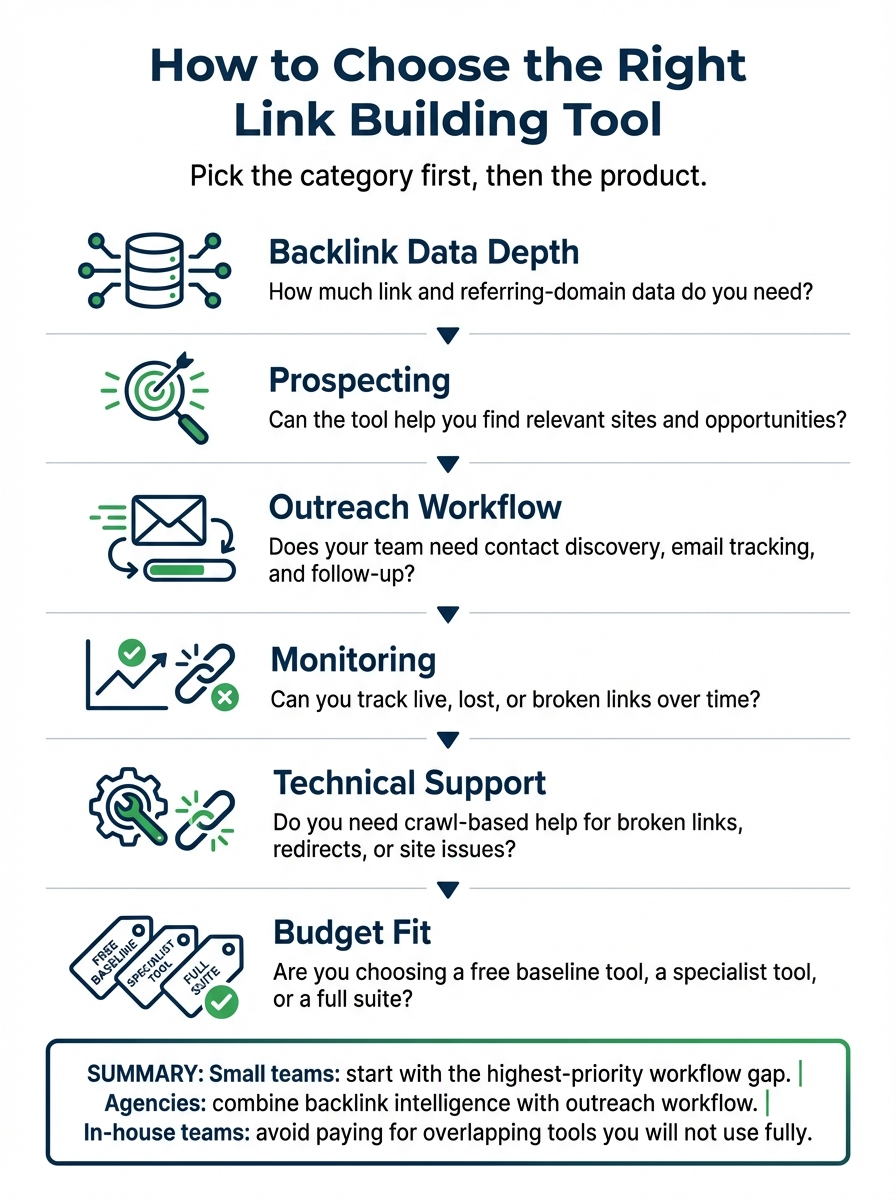
A strong link building tool helps you answer a clear question.
- Which sites link to me or my competitors?
- Which pages attract links in this niche?
- Which prospects are worth contacting?
- How do I track outreach without losing the thread?
- Which technical issues are blocking stronger results?
That is why most SEO teams need more than one capability.
- Backlink intelligence shows referring domains, linking pages, anchor patterns, and competitor gaps.
- Prospecting and outreach support helps teams find contacts, organize pitches, and track follow-up.
- Technical discovery surfaces broken links, redirects, crawl issues, and weak page setups.
- Monitoring helps teams track link gains, losses, and changes over time.
If you want better judgment when reviewing authority signals, it helps to understand how Truelogic frames domain authority and related SEO metrics.
Best Link Building Tools by Use Case
Do not evaluate these tools as one big category. A backlink database does a different job from an outreach platform. A crawler does a different job from both.
Best for Backlink Intelligence and Competitor Research
Use these tools when you need to see who links to a site, where strong links come from, which pages attract links, and where competitors have an advantage.
Ahrefs
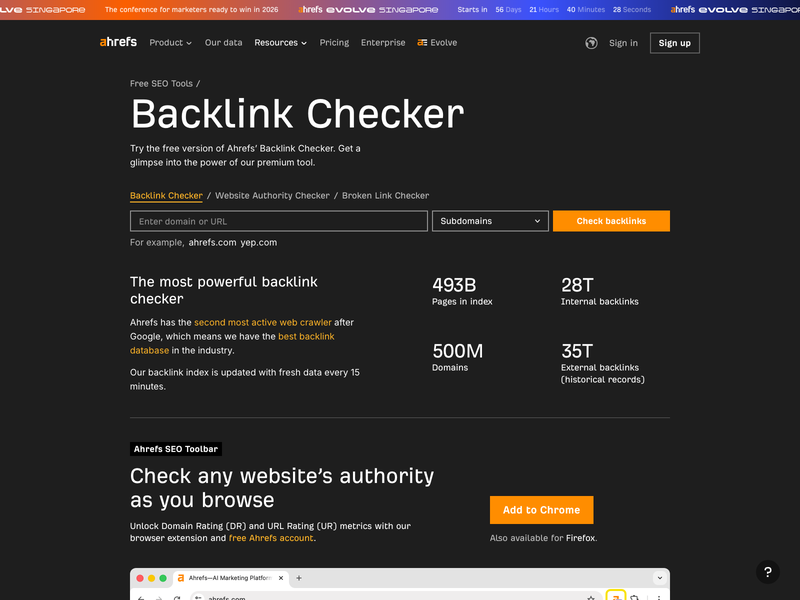
According to Ahrefs’ Backlink Checker, the tool can show referring domains, backlinks, Domain Rating, Ahrefs Rank, and detailed backlink and referring-domain reports. It also supports workflows around linked pages, broken pages, and linking-domain analysis.
Ahrefs is one of the strongest choices for teams that need a deep view of backlink profiles and competitor link gaps. It helps with:
- competitor backlink analysis
- link opportunity discovery
- anchor pattern review
- page-level link research
- broken-link-building research
Its value comes from depth. You can move from a domain view to a linking-page view fast, which makes it useful for research-heavy SEO work.
Best for: SEO teams and agencies that need strong backlink intelligence
Main limitation: Ahrefs is a research engine, not a full outreach workflow.
Semrush
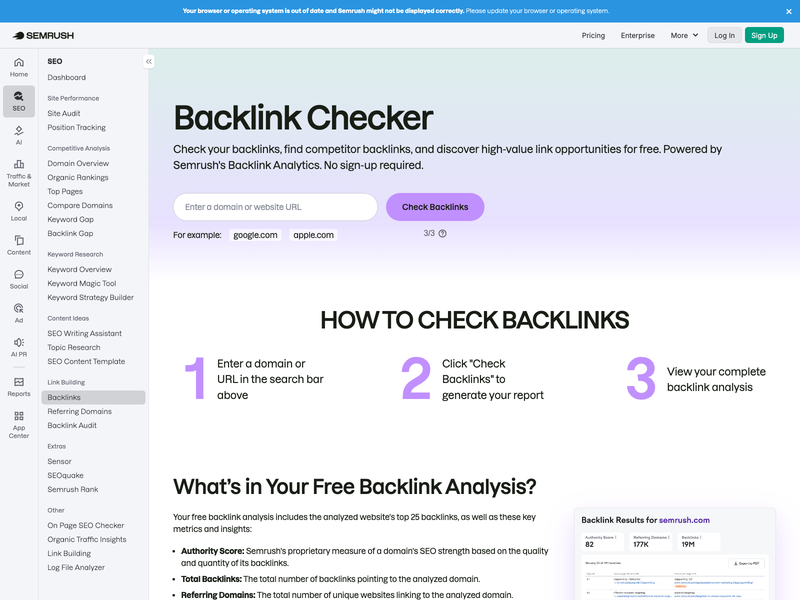
Semrush positions its backlink tools around backlink analysis, comparison, profile review, and backlink-audit workflows. That makes it useful for teams that want link analysis inside a broader SEO platform. Sources: https://www.semrush.com/analytics/backlinks/ https://www.semrush.com/features/backlinks/ https://www.semrush.com/backlink_audit/
Semrush fits teams that already use the platform for keyword work, site audits, or content research and want backlink analysis in the same environment.
It helps with:
- comparing backlink profiles
- reviewing competitor gaps
- connecting backlink research to a wider SEO workflow
That can be useful when link building sits inside a broader plan to improve search visibility and ranking factors.
Best for: teams that want backlink analysis inside an all-in-one SEO suite
Main limitation: overlap becomes expensive if you already pay for another backlink platform.
Majestic
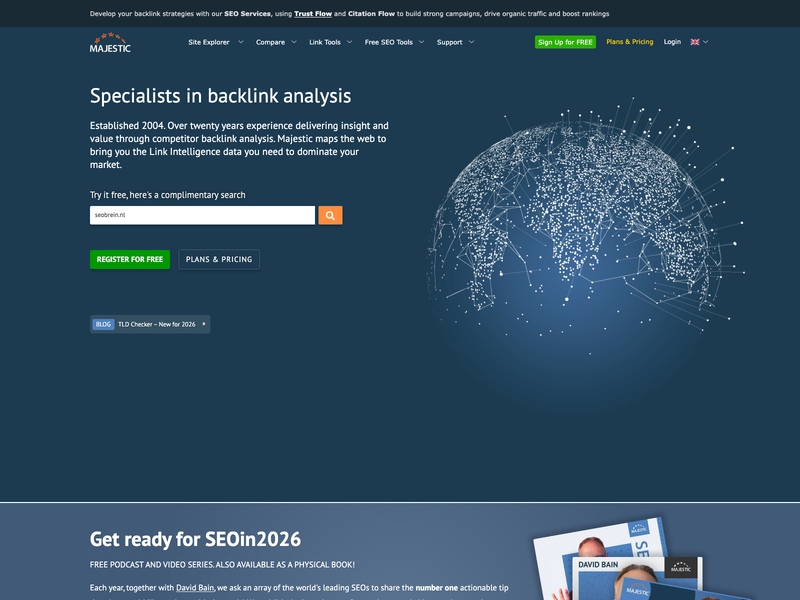
According to Majestic, the platform is built around Trust Flow, Citation Flow, and Topical Trust Flow. Those metrics give SEO teams another way to judge link quality and topical fit.
Majestic is useful when you want a second lens on backlink quality. It helps with:
- trust-vs-volume review
- topical relevance review
- comparison of backlink quality patterns
It is a specialist tool. That is the appeal. Teams that care about deeper link-quality judgment often like having that extra viewpoint.
Best for: SEO teams that want a specialist view of trust and topical authority
Main limitation: the metrics are proprietary. They support judgment. They do not replace judgment.
Best Free or Low-Cost Tools for Baseline Link Insight
Not every team needs a premium stack at the start. Some teams need a better baseline, cleaner visibility data, or stronger technical discovery before they invest in a full link research tool.
Google Search Console
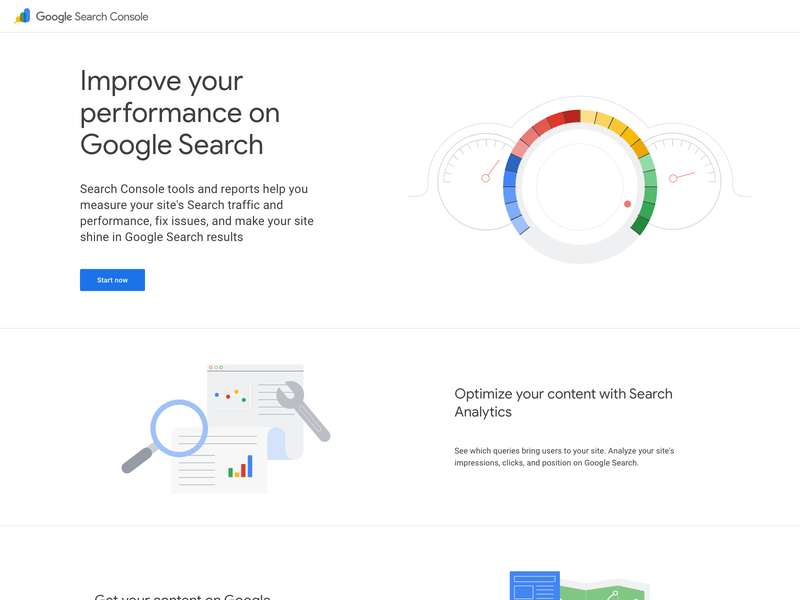
According to Google’s Search Console documentation, Search Console helps site owners measure search performance, review impressions, clicks, and position, submit sitemaps and URLs for crawling, and inspect how Google sees pages.
Search Console is not a full backlink database. It is still one of the most important tools in any SEO workflow because it shows how pages perform in Google Search.
In a link-building process, it helps with:
- judging which pages deserve stronger link support
- checking whether a rehab improved visibility
- reviewing crawl and index health after content updates
- tracking page-level performance over time
That makes it a strong foundation for SEO teams, especially when the goal is to connect content work to real performance data.
For teams that also need stronger site health, Search Console pairs well with a technical SEO audit.
Best for: every SEO team as a baseline performance layer
Main limitation: it should not be your only tool for backlink research or prospecting.
Screaming Frog SEO Spider
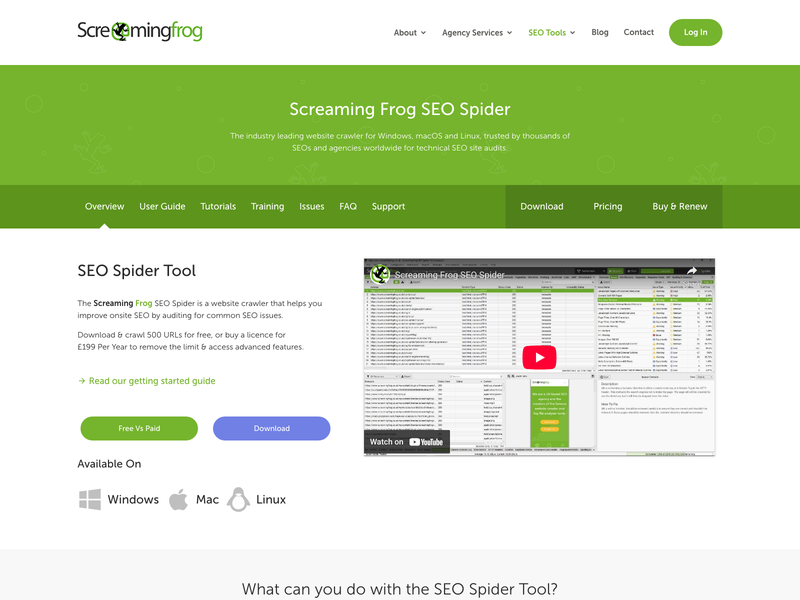
According to Screaming Frog’s SEO Spider page, the crawler can find broken links, redirects, duplicate content, directives, canonicals, XML sitemaps, and other SEO issues. It also integrates with analytics data sources, Search Console, and PageSpeed Insights.
Screaming Frog is not a backlink database. It earns a place in this article because link building works better when the pages you promote are technically sound.
It helps with:
- broken-link-building workflows
- redirect and 404 review
- crawl and directive checks
- internal linking review
- identifying weak pages before outreach starts
If a team promotes pages with crawl problems, redirect chains, or thin setups, links do less work. That is why link acquisition often performs better when paired with a strong technical SEO checklist.
Best for: teams that need technical discovery and broken-link workflows
Main limitation: it is a crawler, not a replacement for backlink research or outreach management.
Best for Outreach and Relationship-Based Link Building
Backlink data shows the field. Outreach tools help teams run campaigns, manage contacts, and keep follow-up from turning into spreadsheet chaos.
Pitchbox
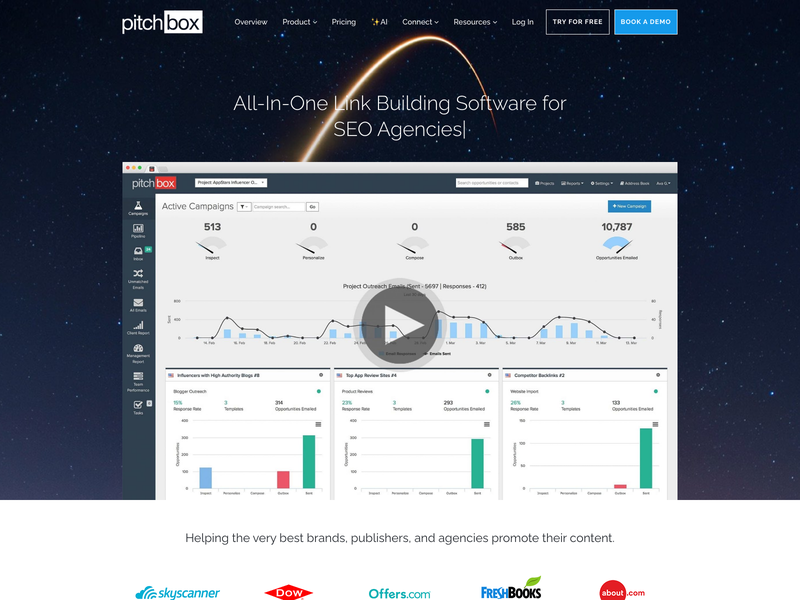
According to Pitchbox, the platform is built for prospecting, customizable outreach, automated follow-up, and reporting for SEO and PR teams.
Pitchbox makes sense when a team already knows which targets matter and needs a stronger operating system for outreach.
It helps with:
- scaling outreach campaigns
- organizing outreach stages
- tracking follow-up
- reporting on campaign activity
For agencies and larger SEO teams, that structure matters. It separates research from campaign management.
Best for: agencies and larger teams running repeated outreach campaigns
Main limitation: outreach software does not fix weak targeting or weak content.
Hunter
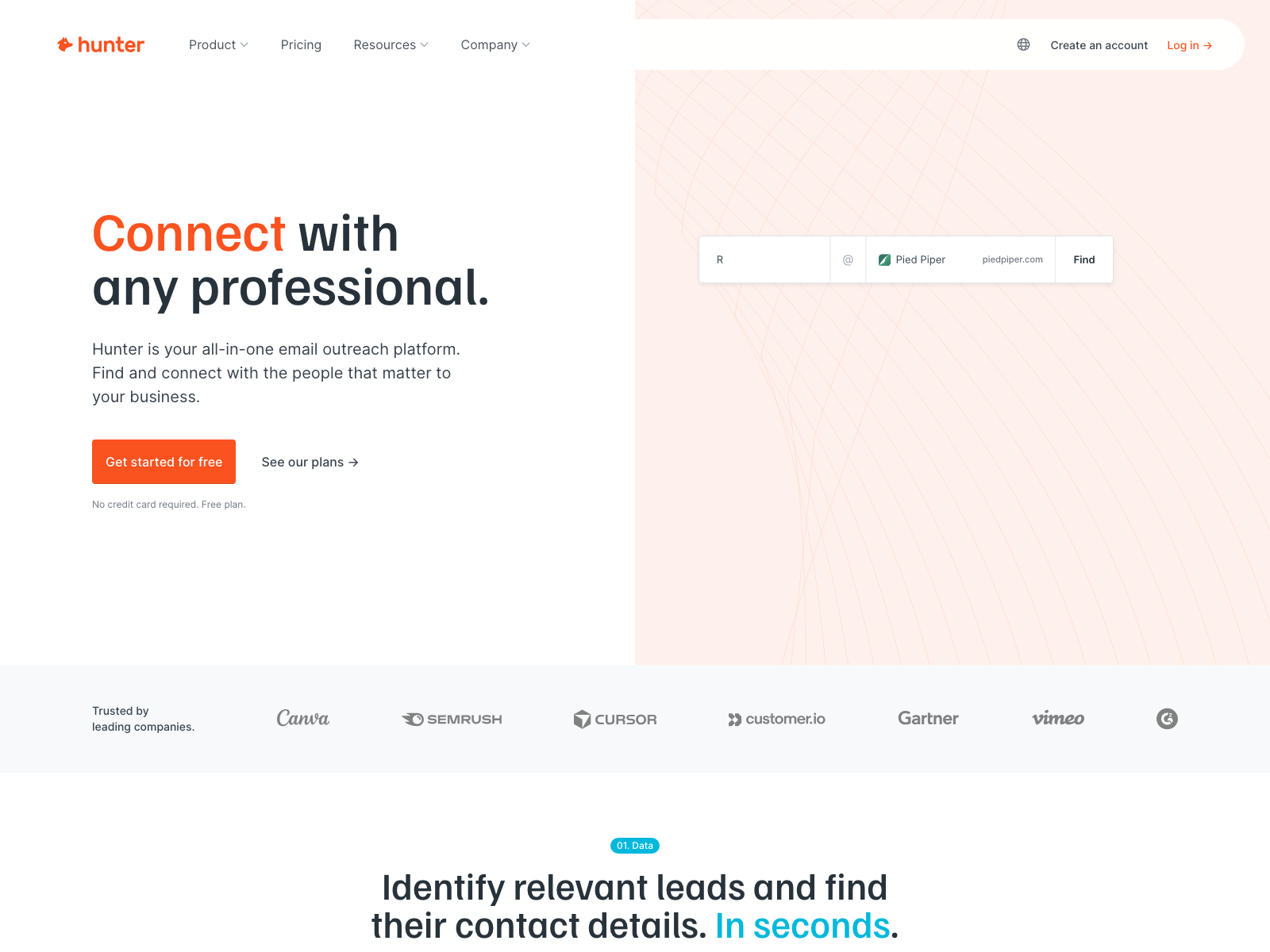
According to Hunter, the platform offers domain search, email finding, email verification, and sequence-based outreach support. Its strongest role is contact discovery and verification.
Hunter is useful when a team already knows which sites or companies it wants to contact and needs a cleaner way to find the right person.
It helps with:
- contact discovery
- email verification
- basic outreach support
That makes it a good support tool inside a wider link building process.
Best for: lean teams that need contact discovery without a large outreach platform
Main limitation: contact discovery is not a link strategy.
Free vs Paid Link Building Tools
Think about the tradeoff by role.
| Tool | Best For | Pricing Model | Main Limitation |
|---|---|---|---|
| Google Search Console | performance baseline, crawl/index insight | free | not a full backlink research platform |
| Screaming Frog | technical discovery and broken-link workflows | free + paid licence | not a backlink database |
| Ahrefs | backlink intelligence and competitor analysis | paid | not a full outreach workflow |
| Semrush | backlink analysis inside a wider SEO suite | paid | overlaps with other SEO subscriptions |
| Majestic | trust and topical backlink review | paid | more specialist than generalist |
| Pitchbox | outreach workflow at scale | paid | depends on strategy and target quality |
| Hunter | contact discovery and verification | freemium / paid tiers | not a backlink intelligence platform |
The smartest setup for most teams is not “buy everything.” It is:
- one strong performance baseline
- one strong backlink intelligence tool
- one outreach-support tool if outreach is active
A smaller stack is easier to manage and easier to justify.
How to Choose the Right Tool for Your Team
Small Business or Lean Marketing Team
Start with the biggest workflow gap.
If you do not yet understand page performance, start with Search Console. If your site has technical friction, add Screaming Frog. If you are ready to study competitors and link opportunities, add a backlink intelligence platform.
Do not buy a large outreach stack before you have target pages worth promoting and a clear prospecting process.
In-House SEO or Content Team
The main risk is overlap.
Many in-house teams pay for two platforms that solve the same problem, then use each one halfway. The better move is to pick the platform that fits the weekly workflow. If the team already lives inside a broader SEO suite, a second tool should earn its place.
Agency or Dedicated SEO Team
Agencies usually benefit from separating the stack:
- backlink intelligence
- outreach operations
- technical discovery
- reporting
That separation makes the workflow easier to repeat across clients. A team might use Ahrefs or Semrush for research, Screaming Frog for technical checks, and Pitchbox for outreach execution. The exact stack matters less than the clarity of the process.
Common Mistakes When Choosing Link Building Tools
Paying for Overlap Too Early
Many teams buy two or three tools with similar core functions. They end up with more cost and little gain.
Confusing Data With Strategy
A large backlink database can show the field. It cannot decide which links are worth chasing.
Treating Outreach Software as the Strategy
Pitching tools can improve workflow. They do not make weak targets or weak pages stronger.
Ignoring Technical SEO
If the page you promote has crawl problems, redirect issues, or weak structure, links have less impact. Link acquisition works better when the page itself is ready to rank.
Truelogic Takeaways
- Pick the tool category before you pick the brand.
- Search Console and Screaming Frog solve different problems from backlink databases.
- Ahrefs, Semrush, and Majestic are research tools first.
- Pitchbox and Hunter support outreach execution. They do not replace strategy.
- Most teams get better results from a focused stack than from a bloated one.
Final Thoughts
The best link building tool is the one that fits the next real job your team needs to do.
If you need better backlink data, invest in backlink intelligence. If you need cleaner outreach execution, invest in workflow. If you need better results from the pages you promote, strengthen the page and the technical setup first.
That is also why link acquisition works best inside a wider SEO strategy. The workflow comes first. The tools follow.